
I rode back along the highway to Curtin Springs Roadhouse after leaving Uluru National Park. I needed a shower and to charge my power banks — a few sub-zero nights seemed to play havoc with my batteries. A big storm was also meant to roll through that evening, something almost every person I met had been warning me about for the past week.
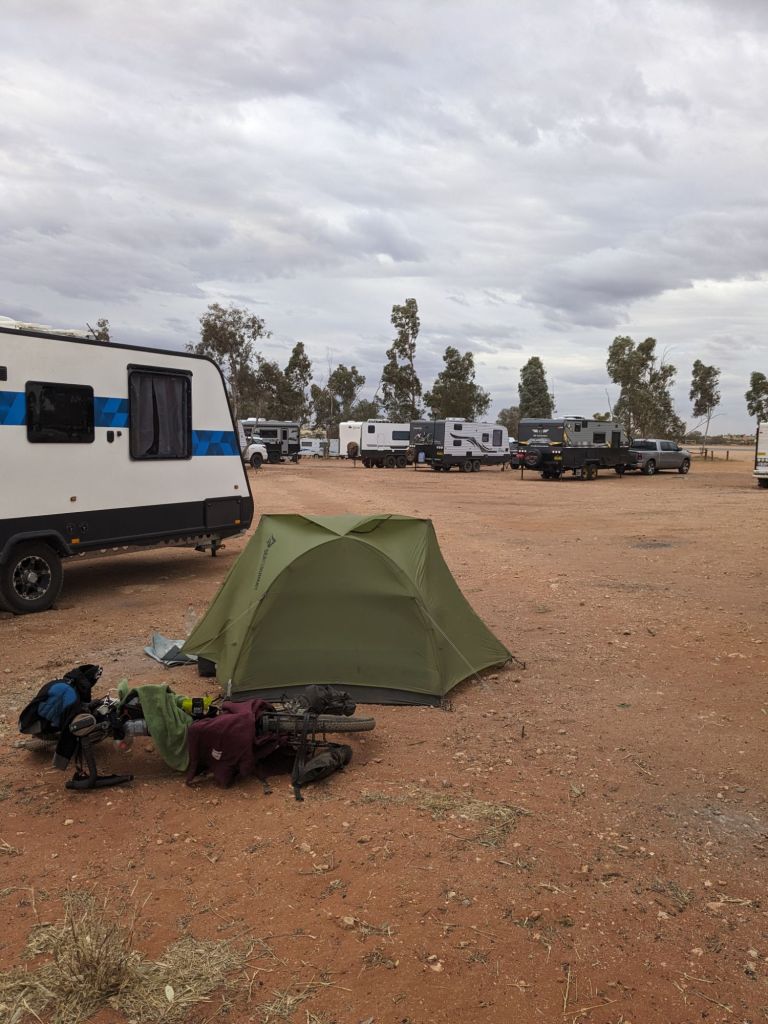
The roadhouse was horrible. I was greeted by a very unfriendly barman who repeatedly warned me about the oncoming storm and told me not to camp at the bottom of the field. The “field” was really just a dust bowl with a few portaloos and filthy showers. I squeezed my tent between a couple of caravans in the very packed campsite, using them as shelter from the 40 km/h winds.
Fortunately, I survived the night and continued heading south. Not wanting to ride the Stuart Highway again, I took the dirt roads leading towards South Australia. I loved this route — only seeing about three cars a day on the way to the Indigenous community of Aputula, where I was relieved to find the general store open, with surprisingly reasonable prices for somewhere so isolated. This would be the last decent shop for 800 km on the dirt roads.
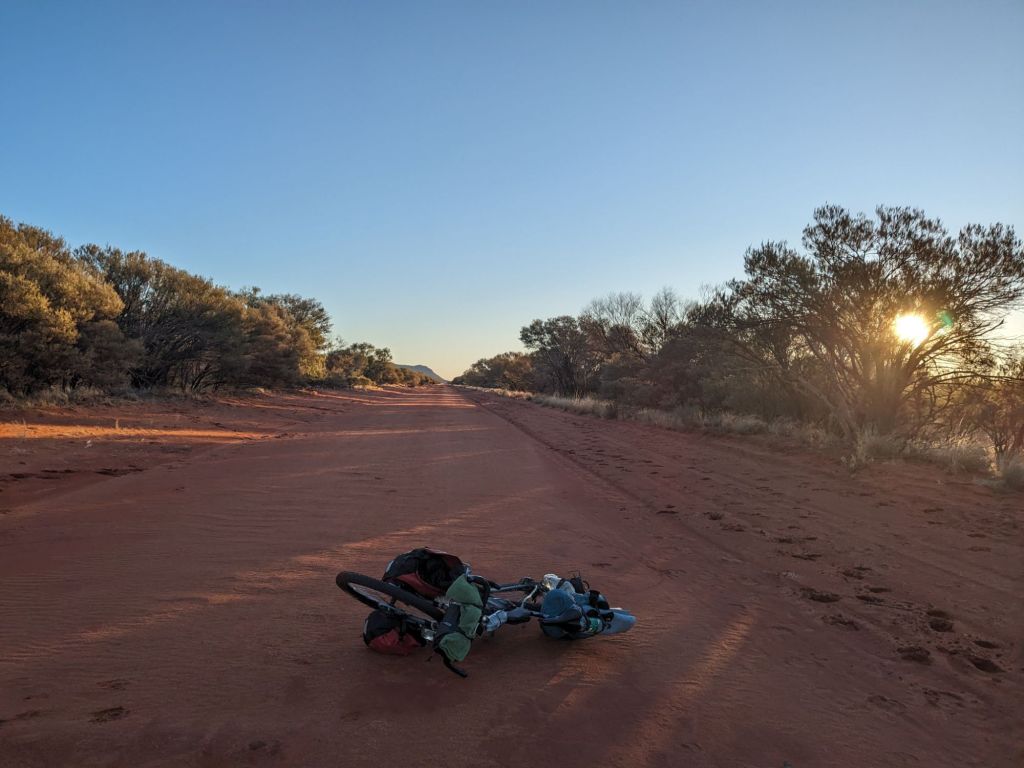

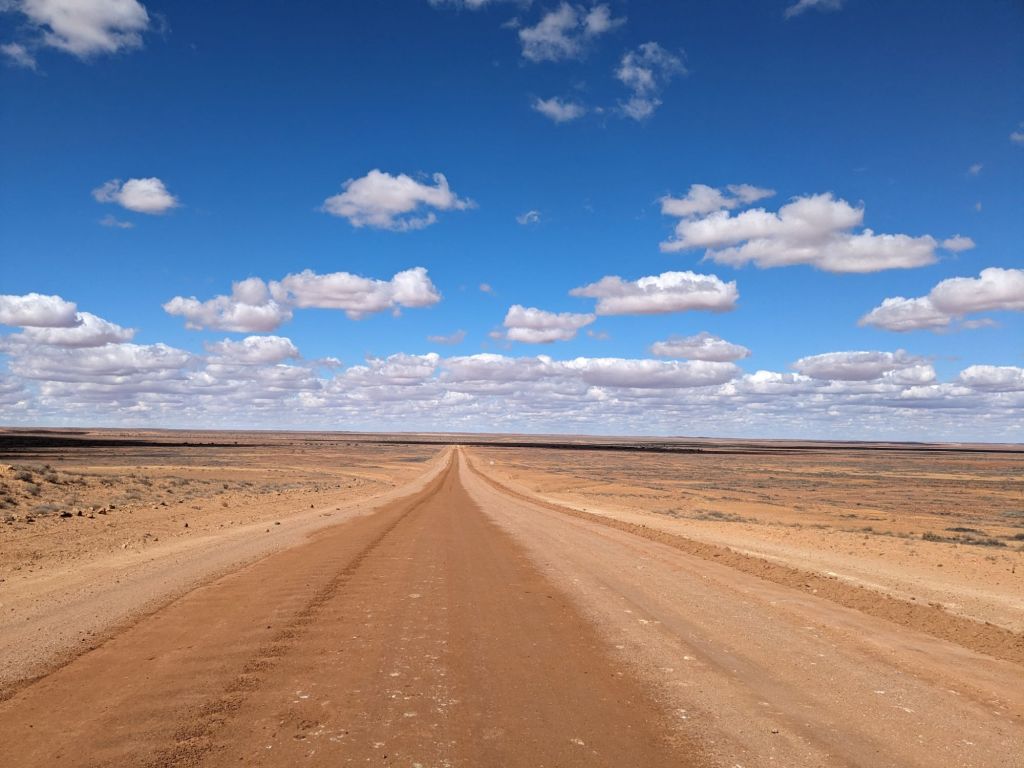
The tracks were great fun, sometimes barely distinguishable from the gravel beside them. The storm from a few nights earlier had left the ground wet, and I finally experienced the infamous red clay mud I’d been warned about — clogging everything and forcing me to waste precious water cleaning it off.


Running low on water after cleaning the bike, I was lucky to meet Mike, who was driving from Adelaide to Alice Springs entirely off-road with only a paper map for navigation. He was parked at a fork in the road, trying to decide which way to go. After a quick chat and a photo of me standing next to his car, he gave me some much-needed water in exchange for directions. I continued on to the Eringa Waterhole to camp. The abandoned homestead was fun to explore, and it felt surreal to see a sizable waterhole — the first in about a week.


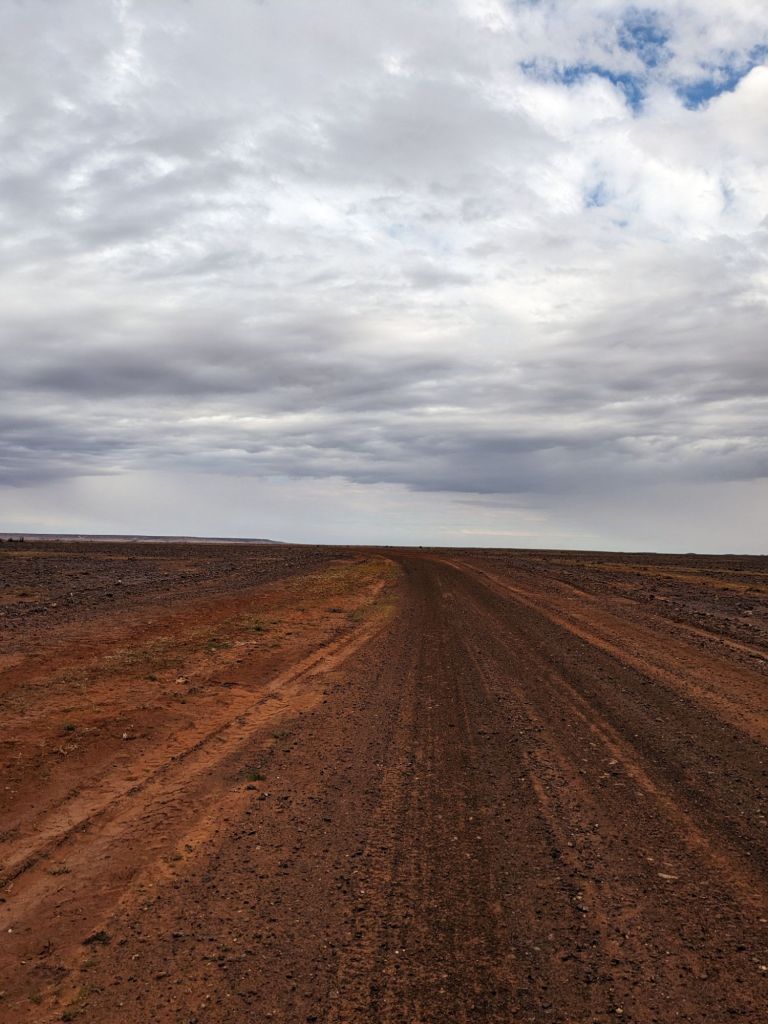
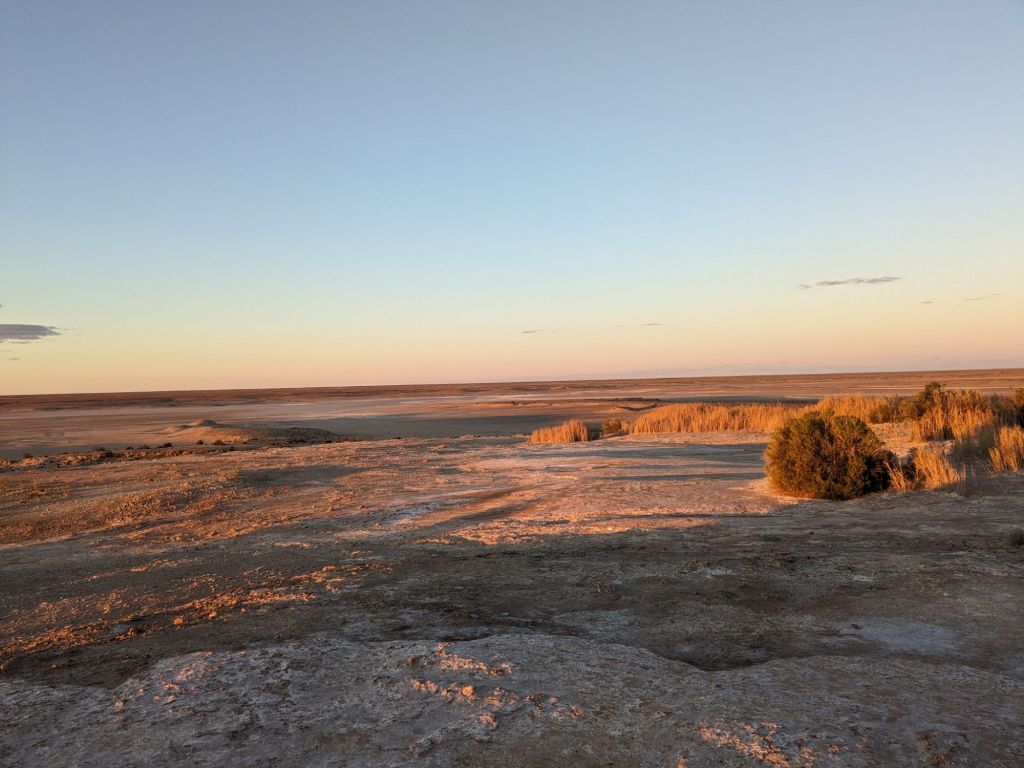
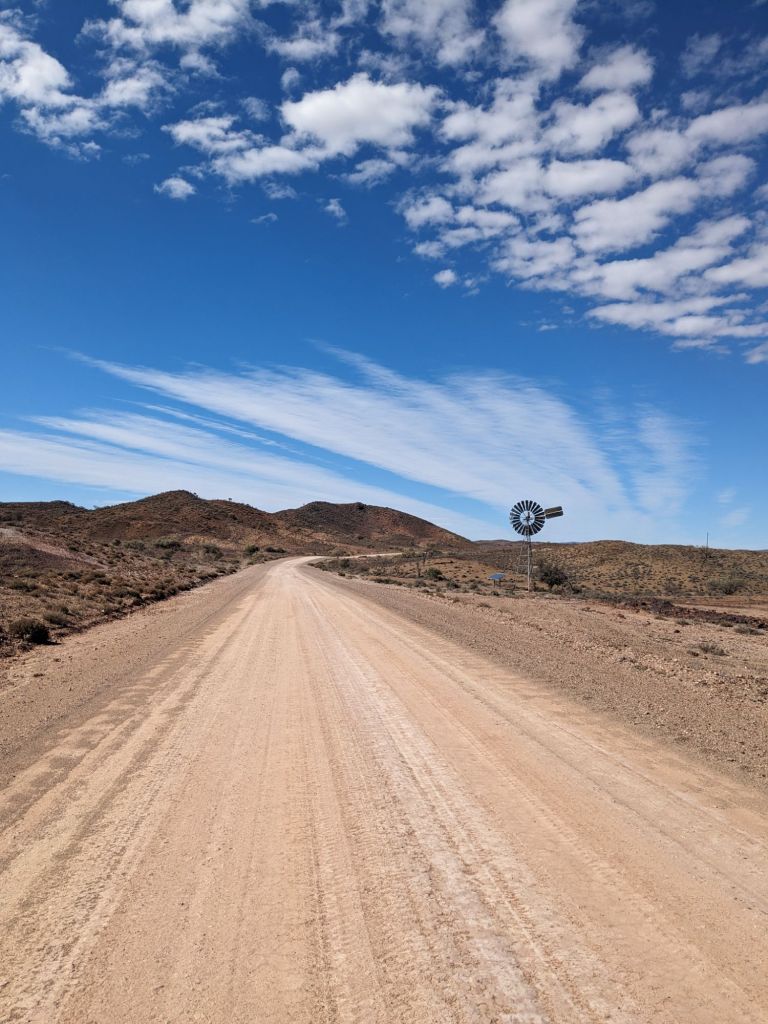
The following day I pushed south into a noticeable headwind, eventually reaching Oodnadatta and its iconic pink roadhouse. From there I joined the Oodnadatta Track, which follows the old Ghan railway. The track was awful — heavily corrugated and painfully slow to ride. With the headwind and dwindling food supplies, I had little choice but to ride from sunrise to sunset to make distance. Camping along the track, though, was incredible. Every night I peeled off the road and watched huge sunsets over the empty desert.


Still underestimating how slow the track would be, I ran out of water 50 km from William Creek. Not a disaster — about three hours of riding — but still concerning. Luckily a caravan pulled over and gifted me a cold Pepsi and filled my bottles. I’ve been incredibly lucky with water on this trip; whenever I’ve really needed it, I’ve always found somewhere to aquire it. Not long after leaving them, I spotted the grading machines on the horizon smoothing the road. Passing them was a brilliant feeling — suddenly the road became flat as a pool table and the riding effortless.
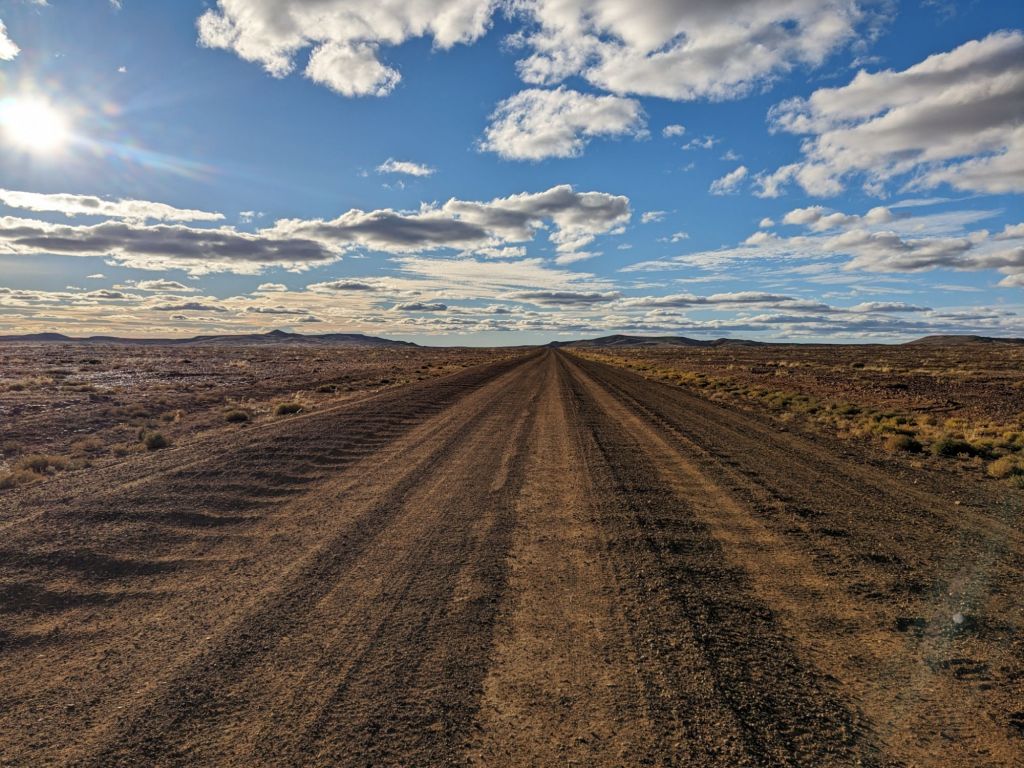
The good surface didn’t last long. In William Creek I was told that after the recent storm the road south was almost impassable with mud. Thankfully that wasn’t quite true, and I could ride it, though progress slowed again.
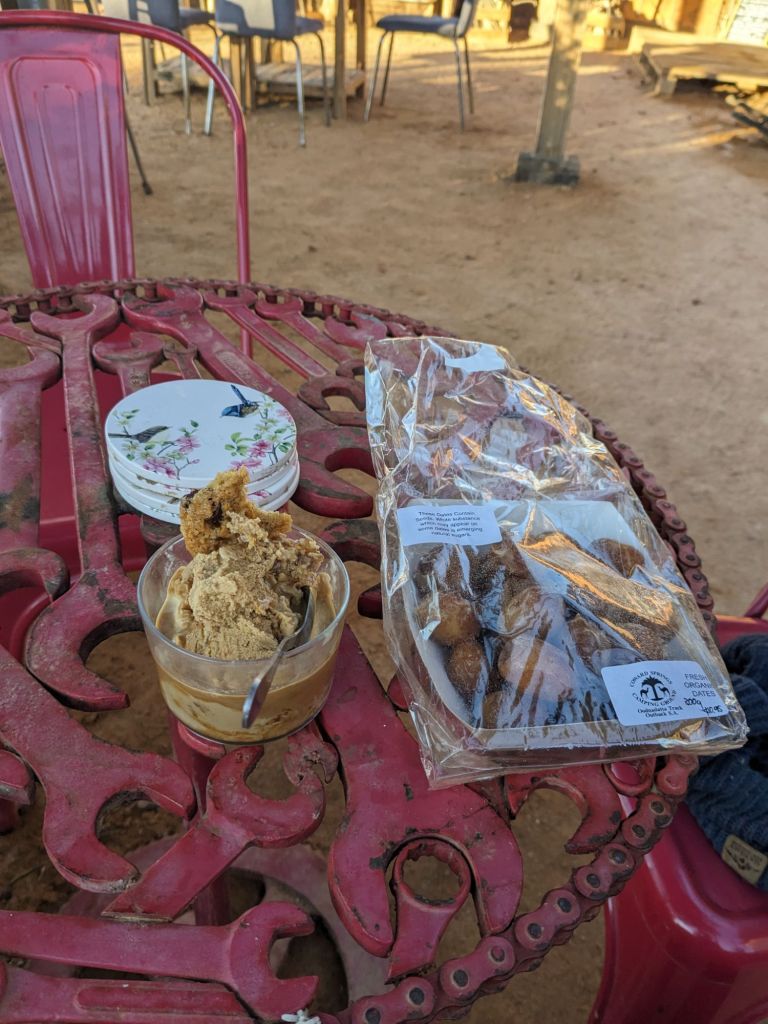
I was able to restock a bit at Coward Springs — a date plantation established by Afghan cameleers who built the railway and settled here in 1888. I fuelled up on date ice cream and picked up a packet of dates for the much needed sugar.


Another day and a half of riding brought me to the mining town of Leigh Creek, which felt almost like a ghost town — prefab houses, wide empty streets, and just a few caravans around. After checking into the campsite and having a shower, I headed straight to the supermarket, only to find it closed on Sundays. This was demoralising after days of dreaming about fresh food and craving a proper meal. Instead, I had to settle for a sad frozen pizza from the petrol station.
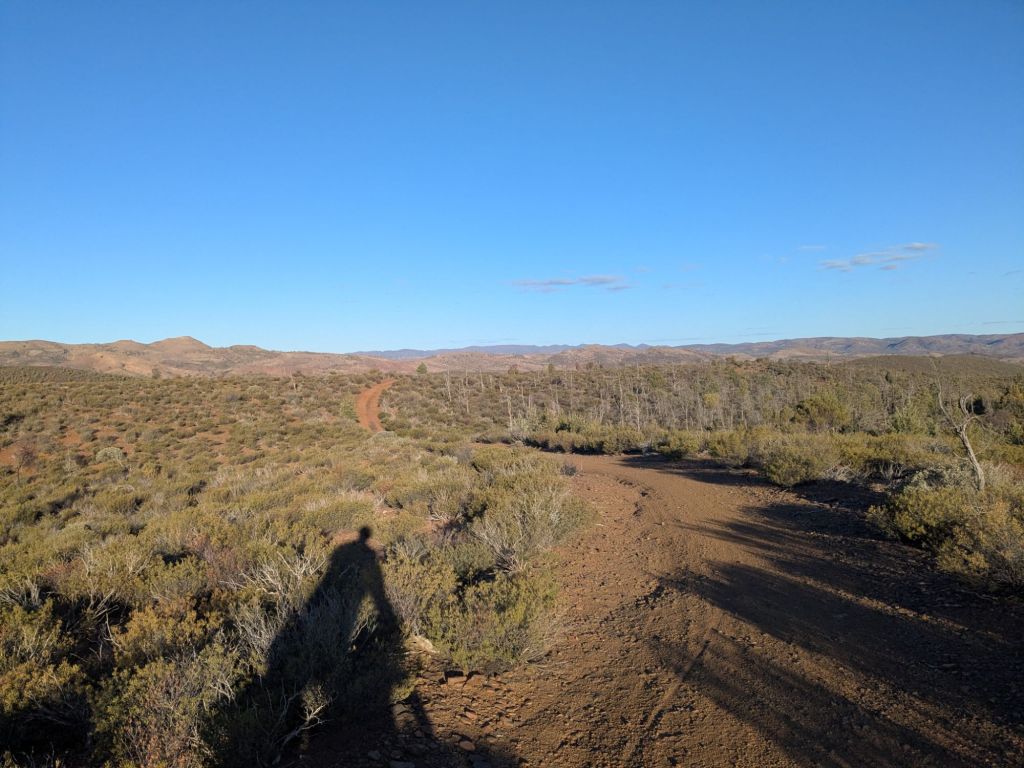
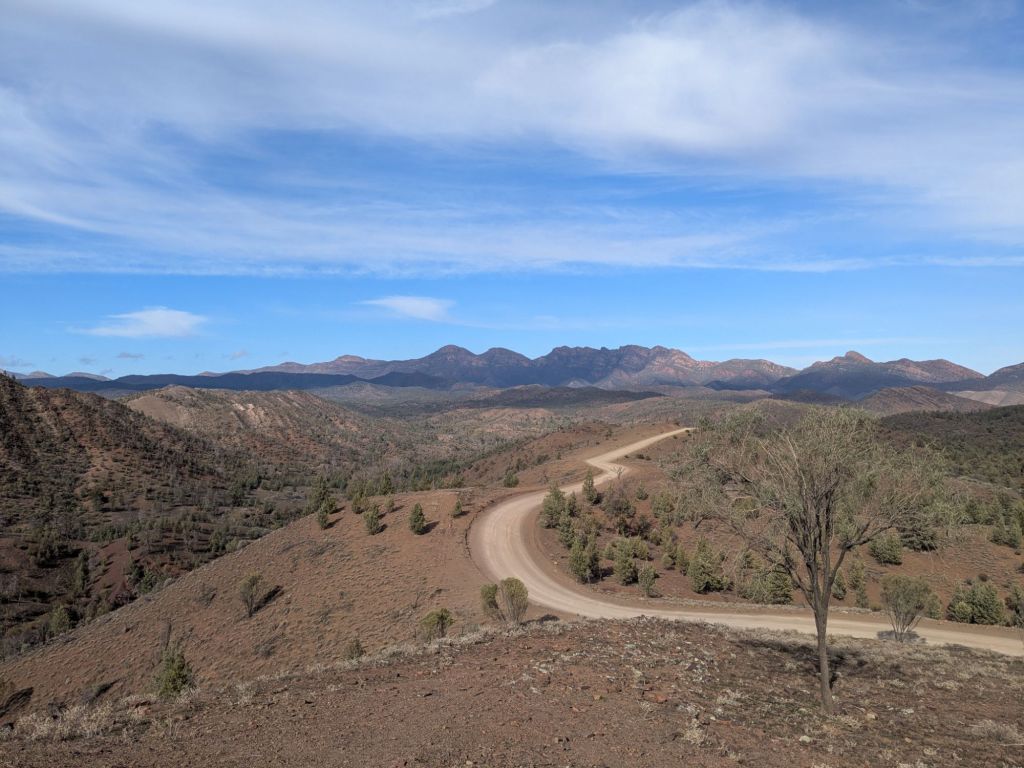
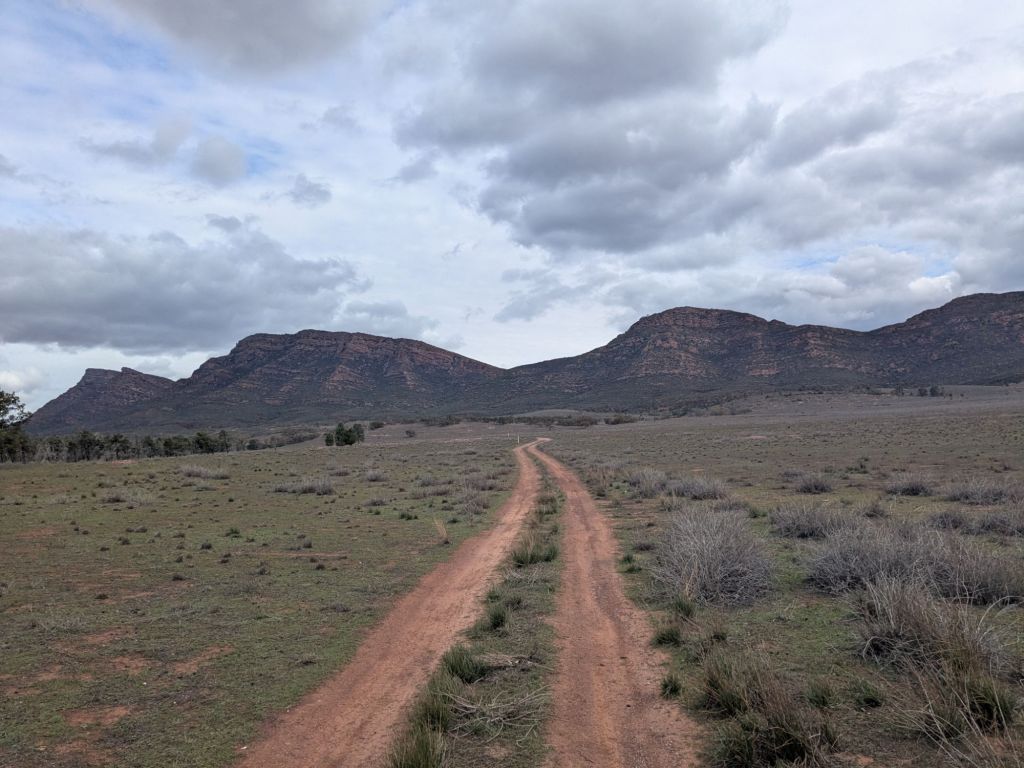
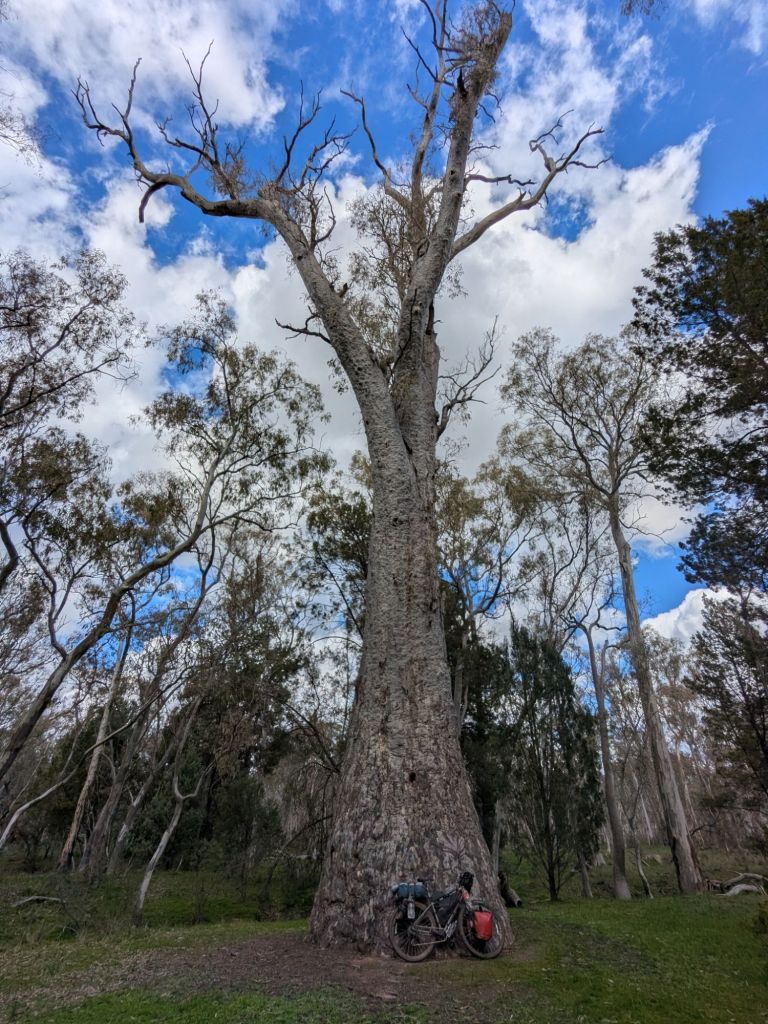
The next morning I stocked up properly and set off into the Flinders Ranges — a place claiming to have some of the oldest rocks in the world. It was a welcome change being back in hills after barely riding any since Western Australia. I joined the Mawson Trail, a 1,000 km bike route south to Adelaide, travelling through farmland and small towns. As I moved further south the temperatures dropped noticeably, this now being the middle of winter. There were a few classic South Australian stone huts along the way offering a good shelter for the nights.



Reaching Adelaide, I decided to take a break from riding and found some work to settle down and wait for warmer weather. After five months on the road, it was nice to call somewhere “home” for a while. Riding through the outback had been incredibly rewarding — long stretches of emptiness, big horizons, and quiet days — but it was also one of the toughest parts of my journey, constantly thinking about water and hauling a heavy bike over huge distances on poor tracks.
 Will Scam