Eastern Turkey

Once my bike was repaired, I set my course for Cappadocia. Even though it meant cycling back west, I was determined to explore this UNESCO World Heritage site renowned for its unique rock formations. Covering the 80km distance in good time, I had the opportunity to explore the area before needing to find a camping spot. The distinctiveness of this small region within Turkey stood out remarkably with such a different geography.
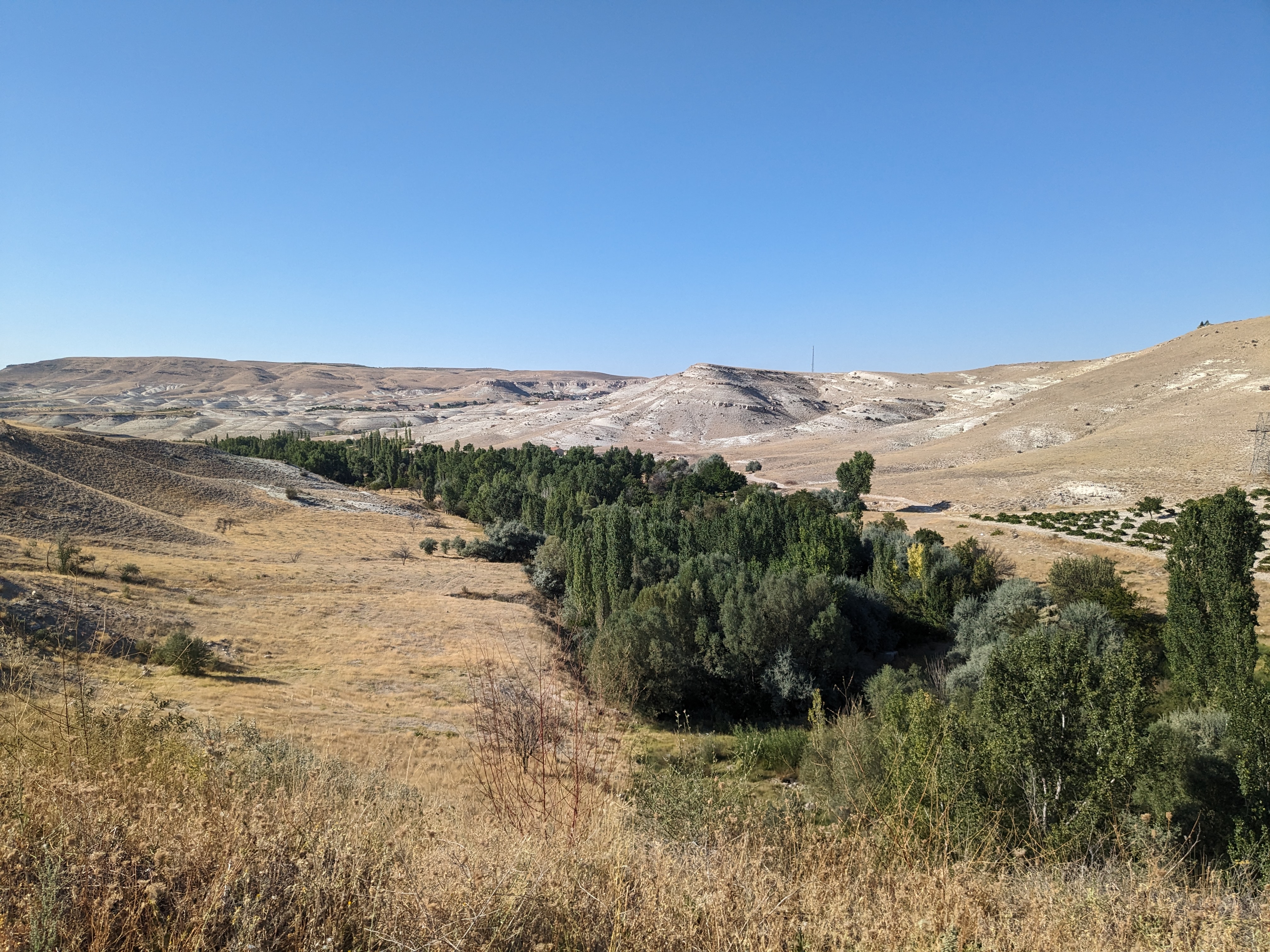
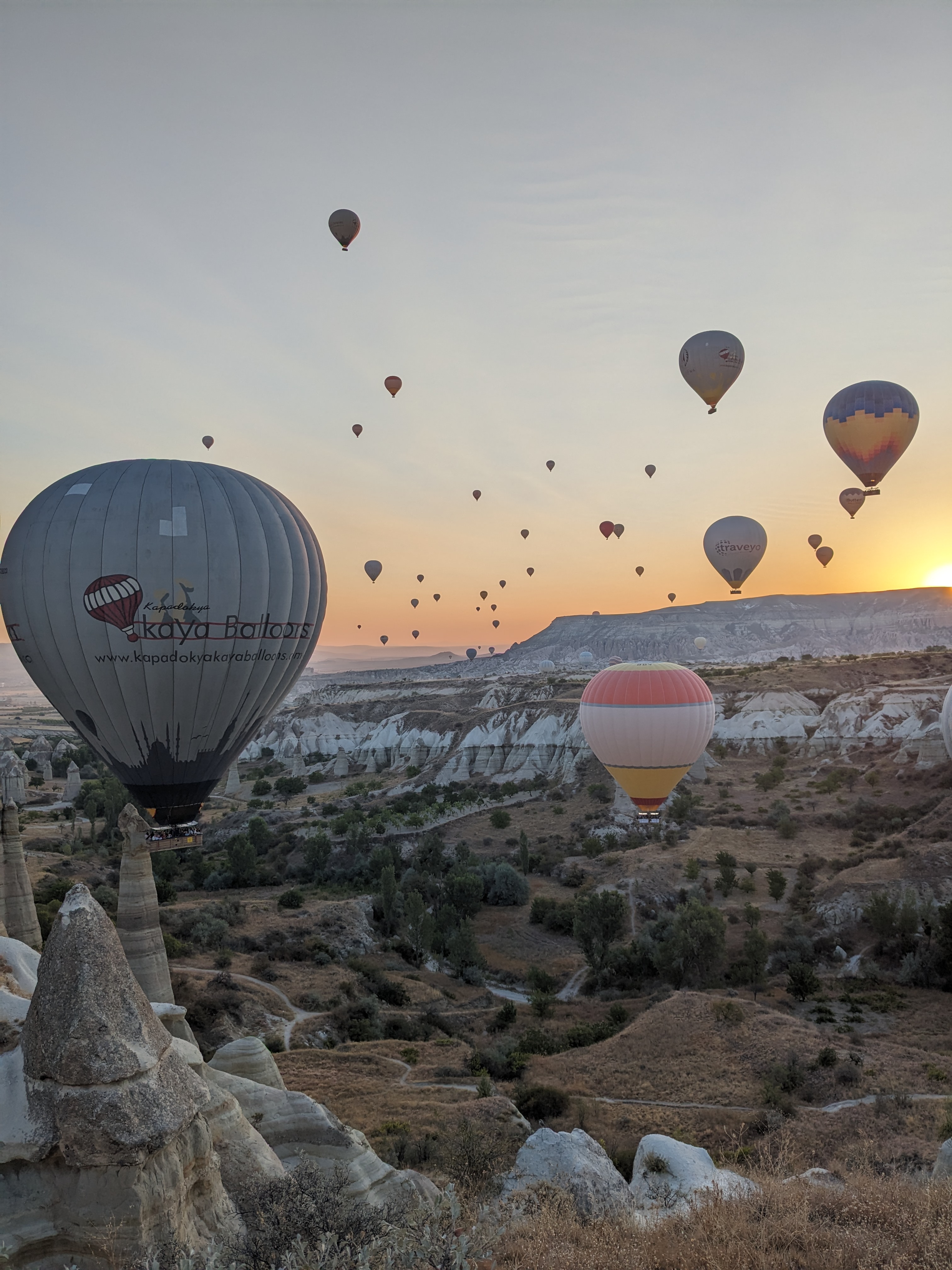
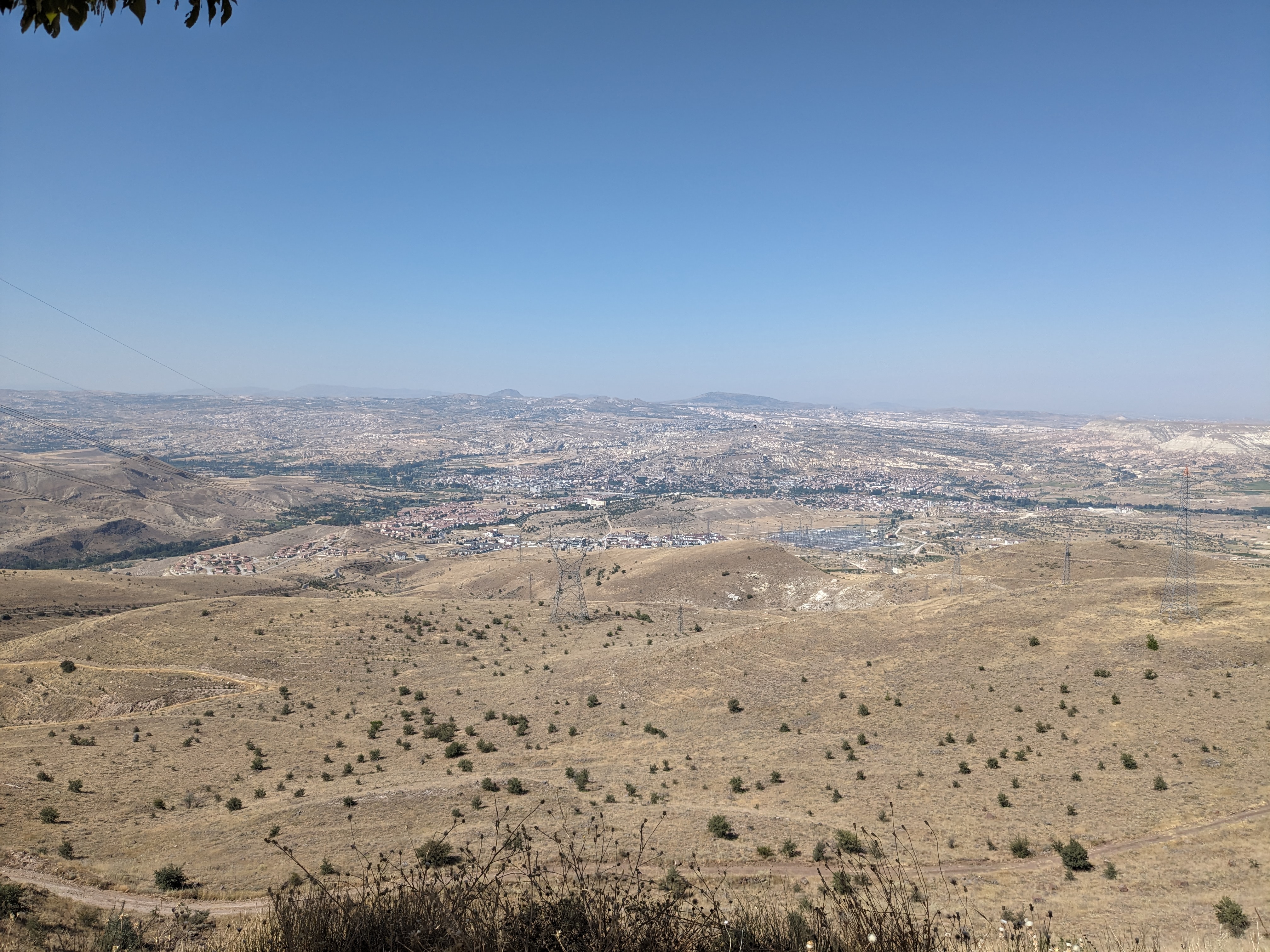
In the evening, I headed to one of the viewpoints overlooking the town of Göreme, where I intended to camp. Engaging in conversation with a man who ran a pony riding business, he advised me on a suitable camping spot and informed me I’d need to wake up at 5am to see the mesmerizing spectacle of the balloons. With this knowledge, I got an early night in anticipation.

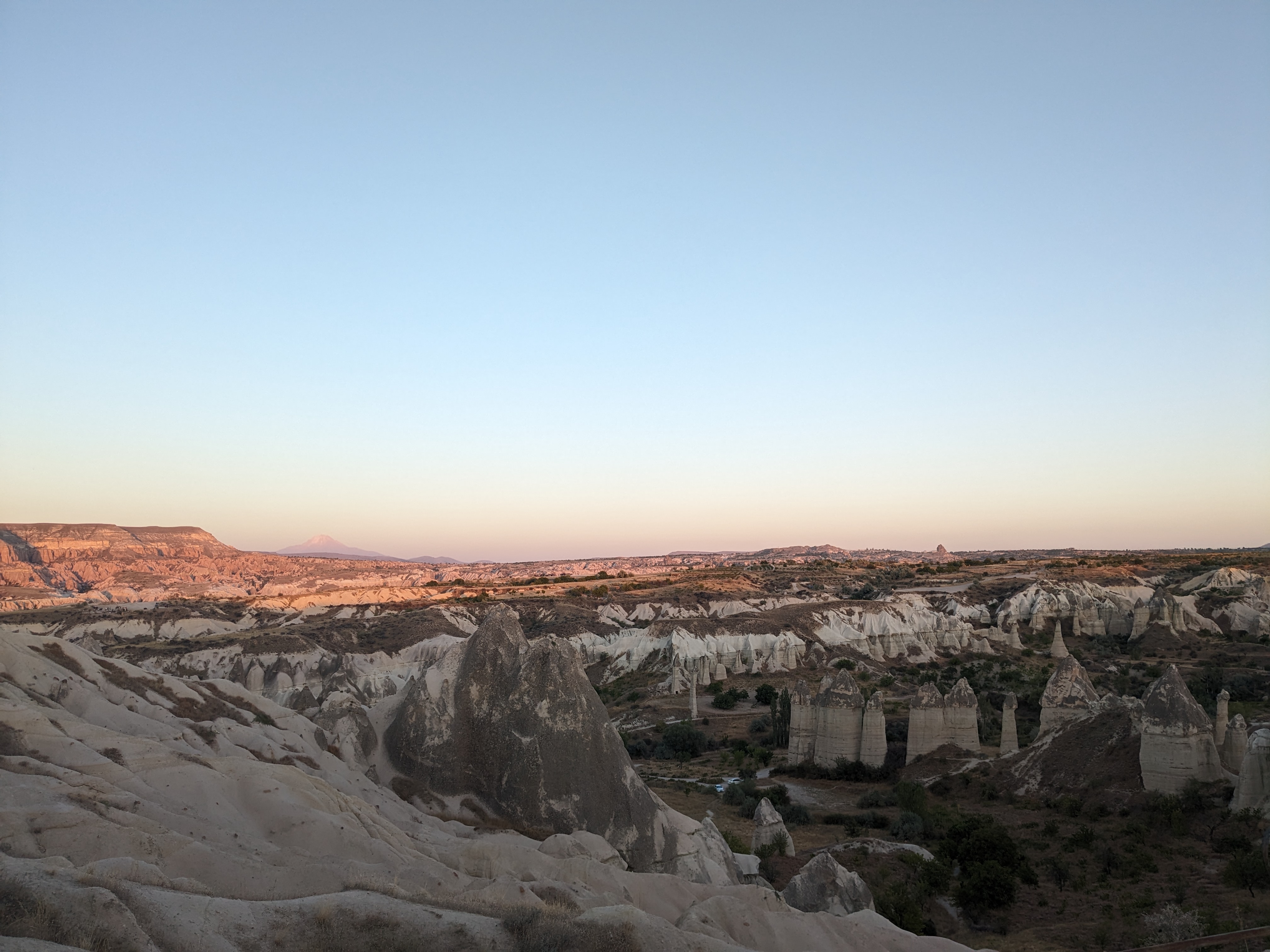
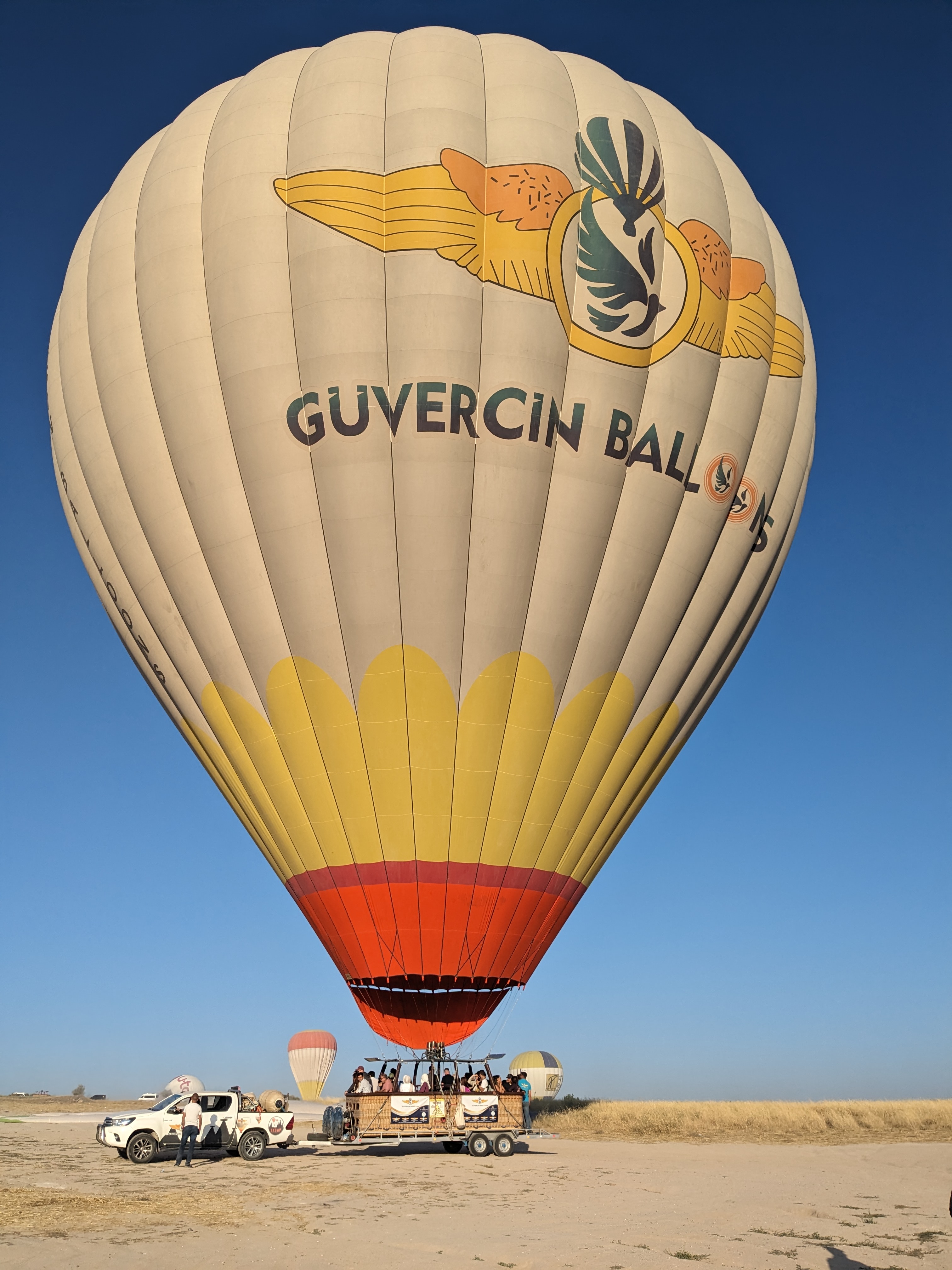
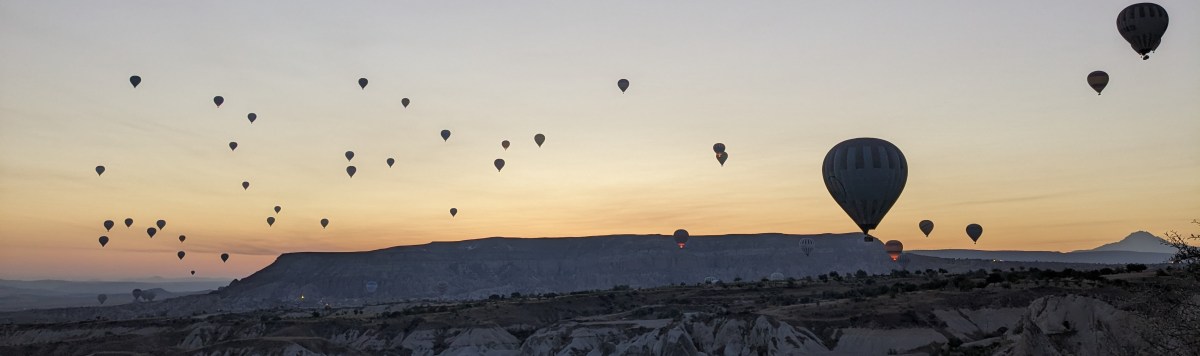
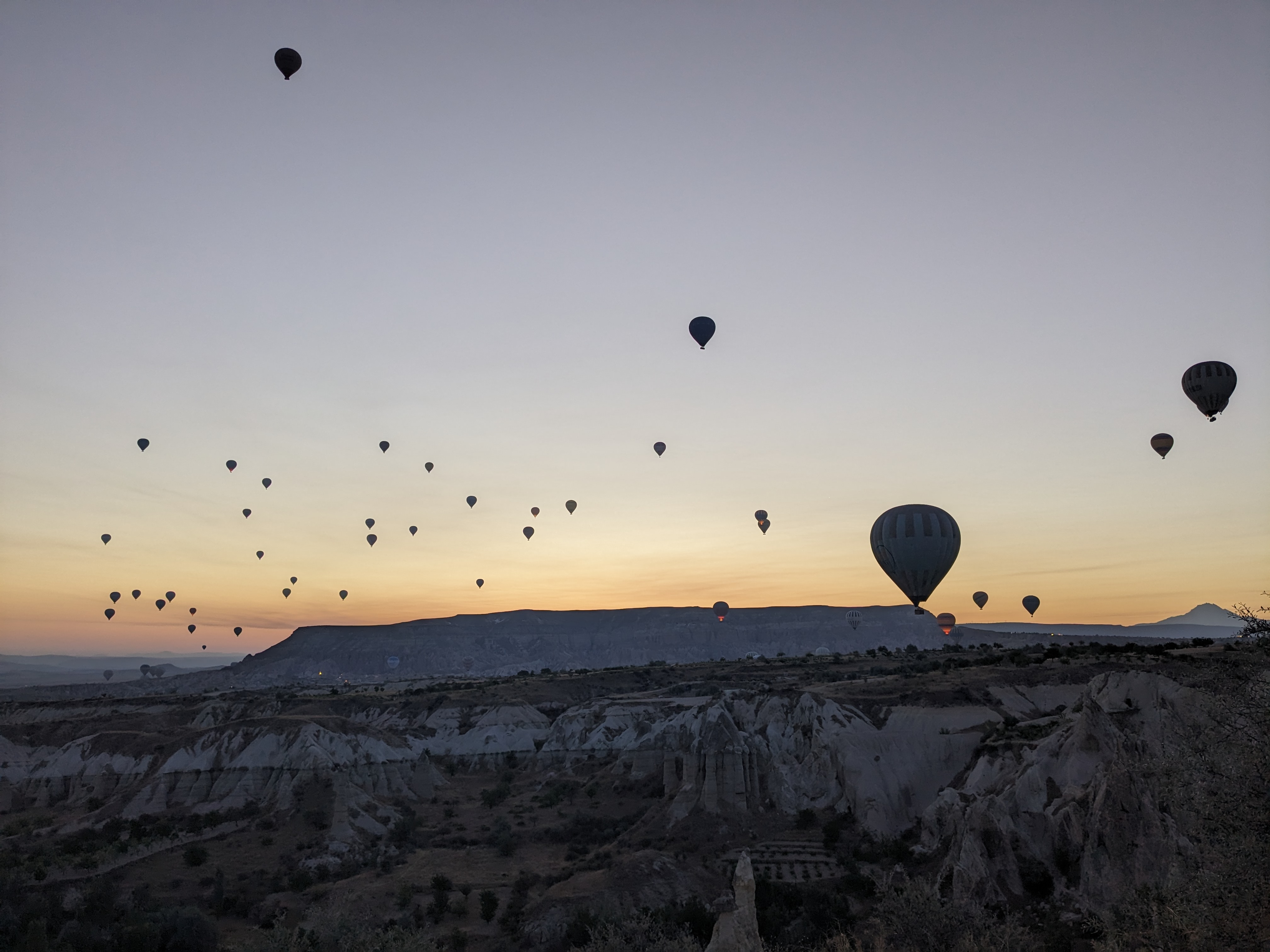
The following morning, as the sky started to exhibit hues of color during sunrise, the first balloons gradually ascended, initially appearing as silhouettes against the sky. With the ignition of the hot flames within the balloons, they illuminated, creating a spectacular display against the backdrop of the rising sun. As the balloons approached, their vibrant colours became more pronounced, and I witnessed their graceful descent, some landing impressively onto trailers by the road. It was truly a breathtaking sight to behold.
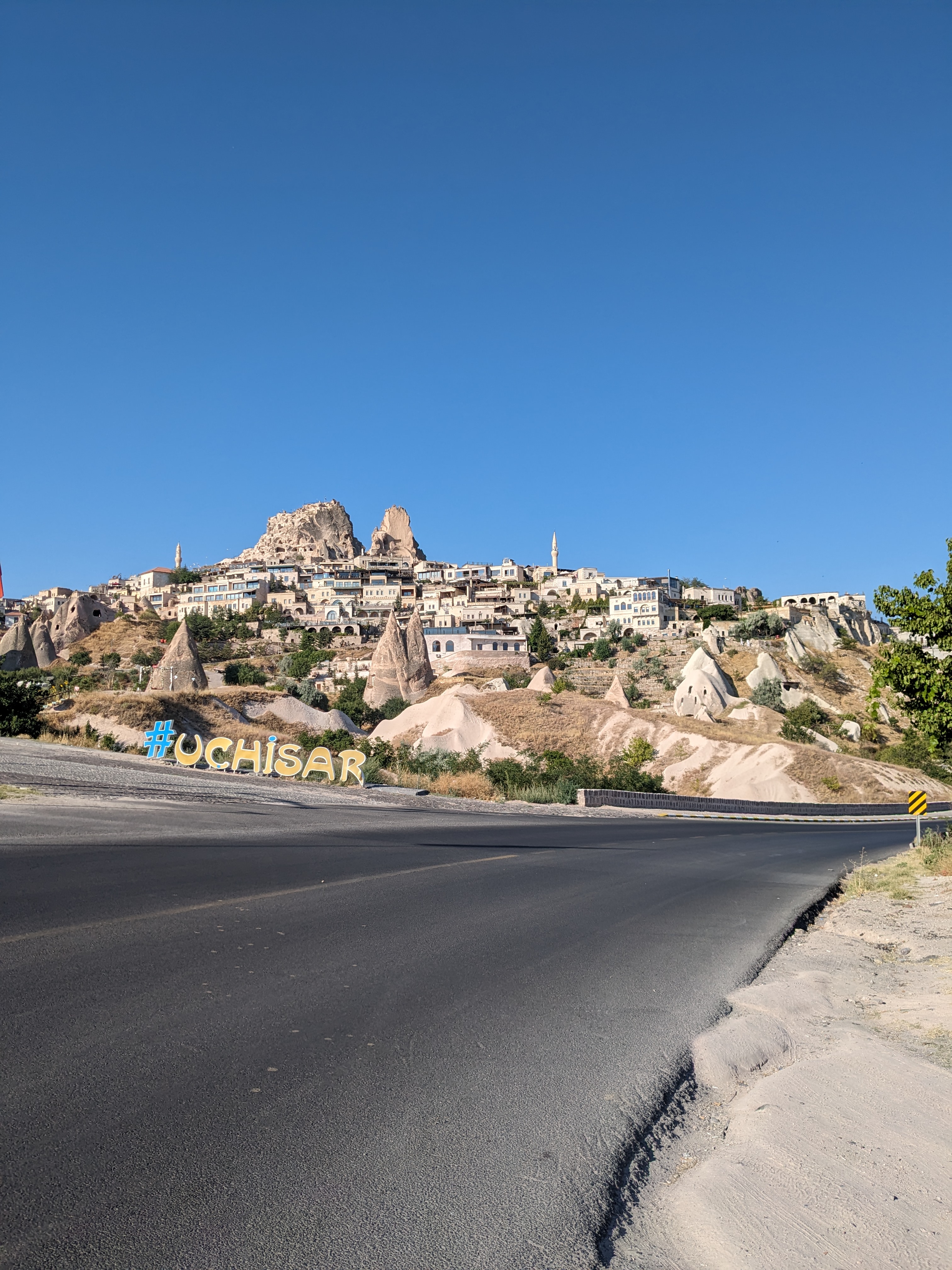
Later that morning, I explored more of Cappadocia, visiting the town of Ürgüp before returning to Kayseri.
My next plan involved taking an overnight bus covering a distance of around 800 km towards Georgia. Procuring the bus ticket was relatively straightforward, but loading my bike onto the bus posed a challenge. The staff member responsible for loading the bus insisted there was no space underneath the coach for my bike, despite evidence to the contrary. Eventually I just placed my bike on the bus, and he reluctantly helped me pack items around it, clearly unimpressed.

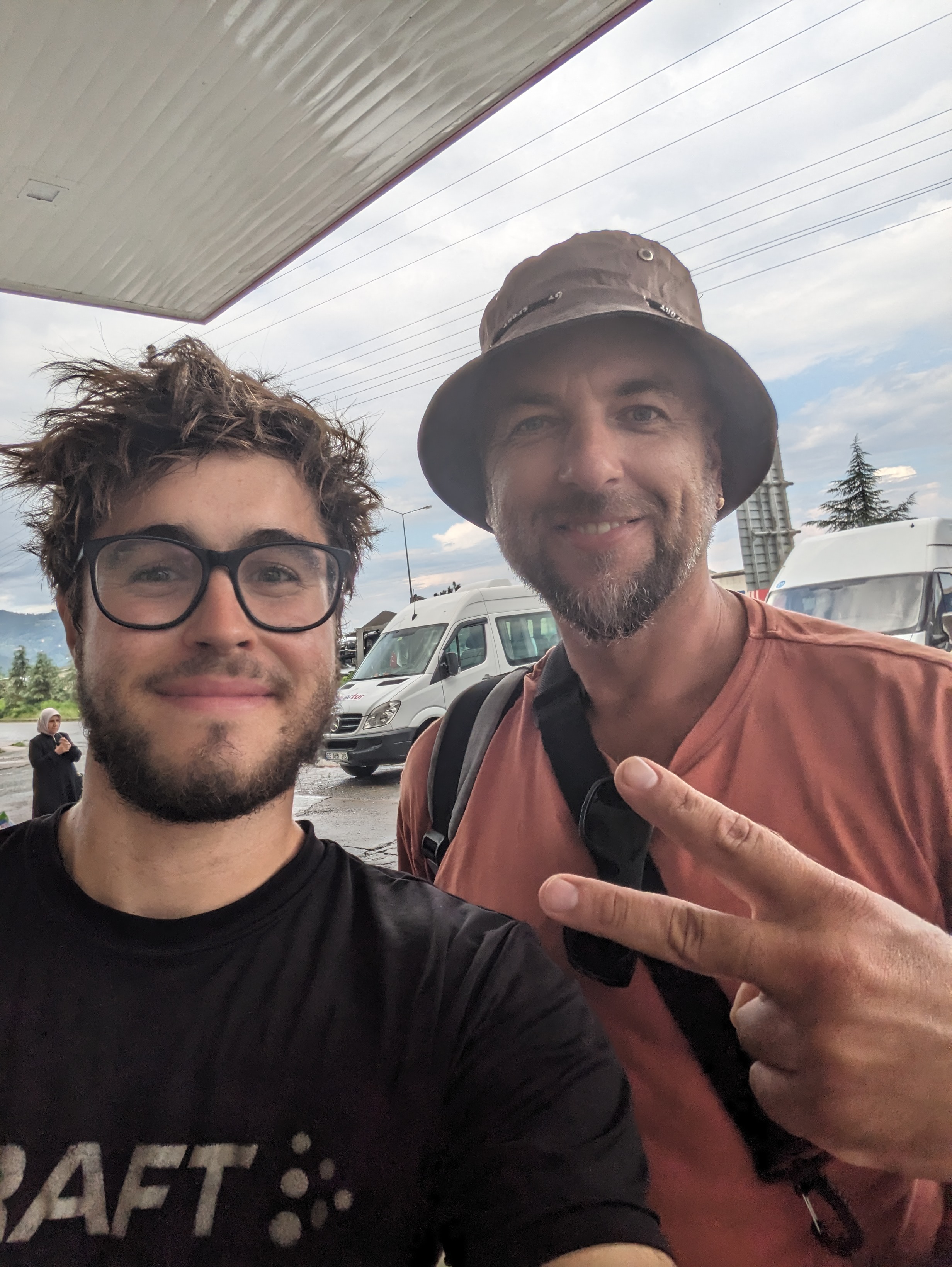
At the bus stop, I encountered Serge, a Russian traveler heading to Sochi. He was on the same bus, undertaking a three-day bus journey due to the unavailability of flights to Russia. He had been working in Turkey as an engineer and spoke English and Turkish fluently. We shared travel experiences and he was incredibly helpful guiding me through the Turkish bus experience.
The 15-hour bus ride was made more bearable with onboard Wi-Fi. I spent the journey planning, doing admin, and managing to catch some sleep.

As the sun rose, the bus traveled alongside the Black Sea amidst a storm, providing a stark contrast to the dry climate I’d experienced for the last week.

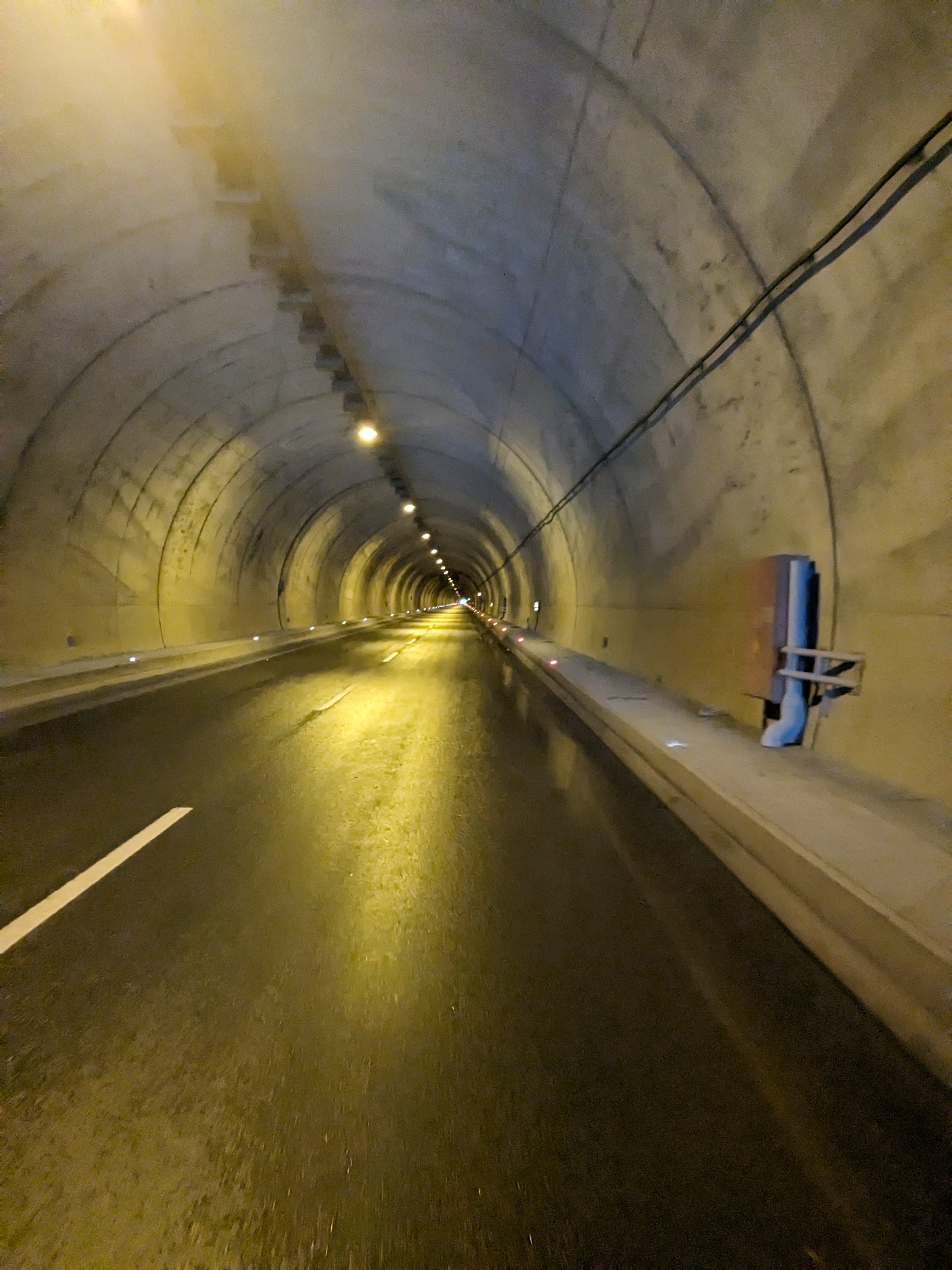
It was nice to get the legs moving again after the bus journey. I set off from the town of Hopa on the Black Sea coast and short 20km ride remained before reaching Georgia. Despite online reports about the challenges of cycling through the Black Sea tunnels in Turkey, I found them manageable. The echoing sounds of approaching lorries within the tunnels could be intimidating, but I quickly became accustomed to it.
Crossing the border proved time-consuming. A 45-minute wait in a queue of cars marked my exit from Turkey. On the Georgian side, the process resembled navigating through an airport terminal, wheeling my bike along. Georgian border officials meticulously inspected my passport, using magnifying glasses and testing my knowledge of its contents but let me through with no problem.

I found Turkey’s heat and cycling along busy roads very draining at times and unfortunately didn’t have time to take a longer route on the smaller roads. However, I very much enjoyed the people and the food of this country. With my favourite foods from Turkey included Turkish sausage, various kebabs, and my newfound addiction to Fuze tea, a very sweet iced tea drink. I now look forward to the change in scenery and culture that Georgia promises.
Central Turkey

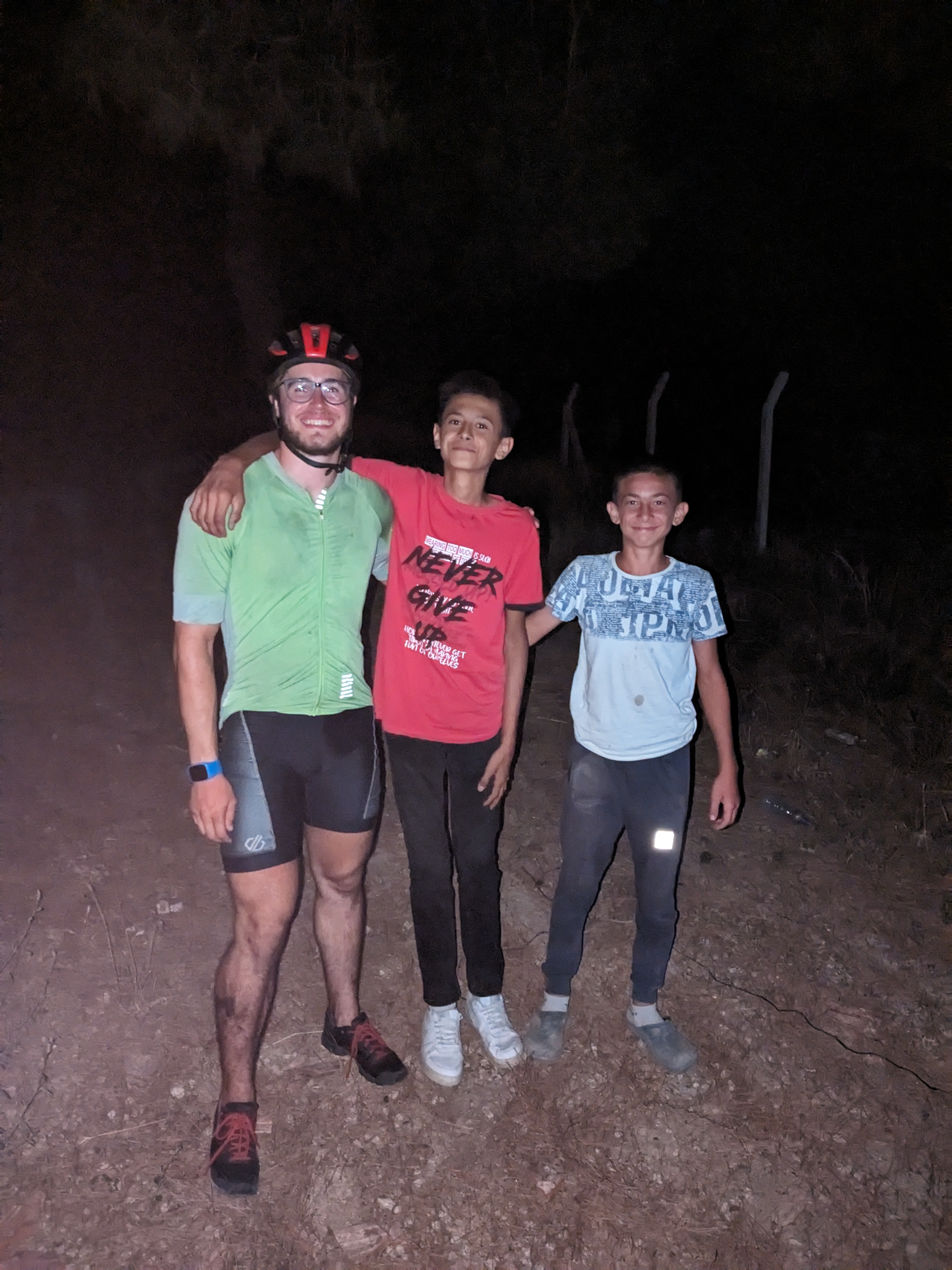
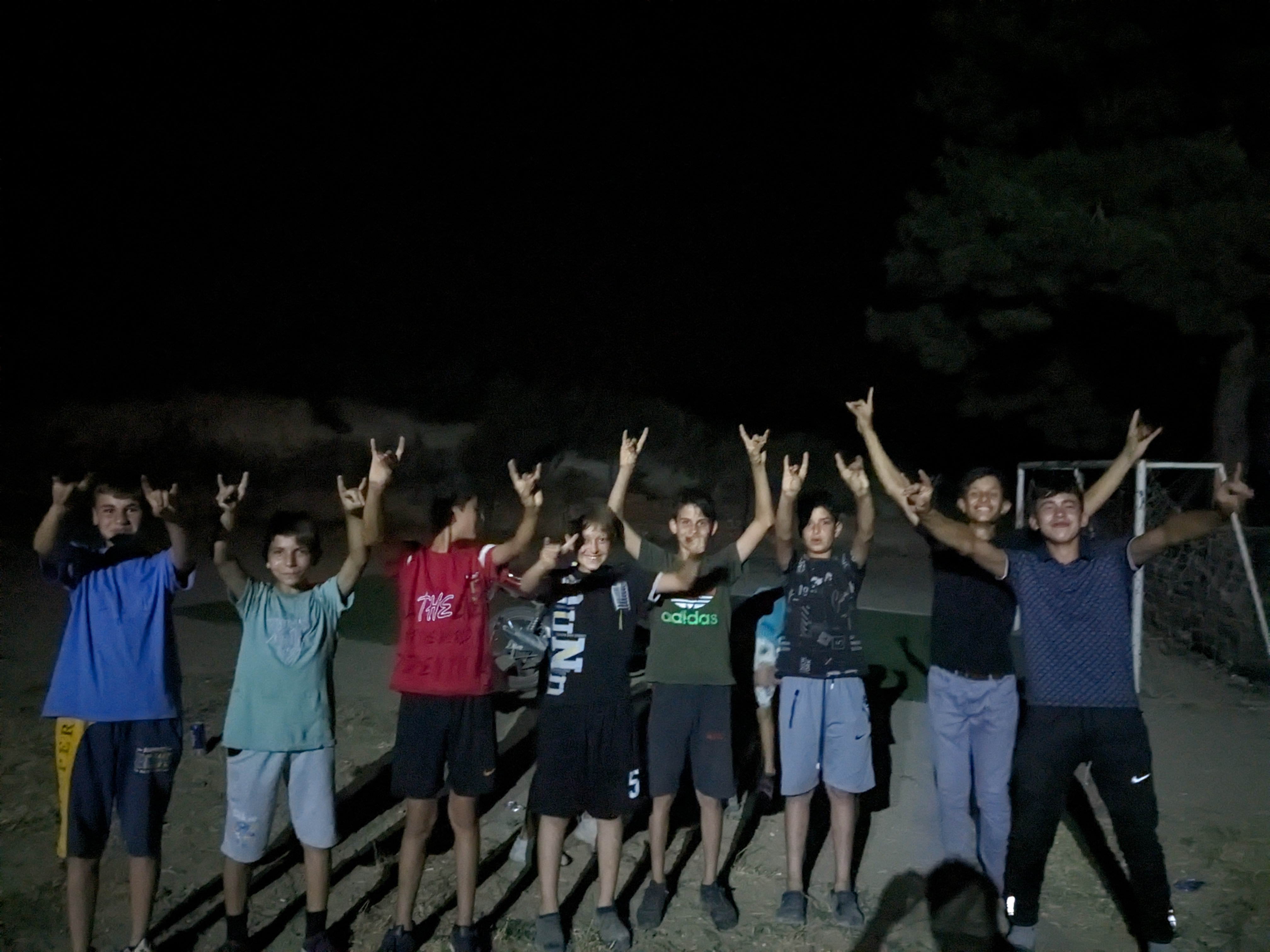
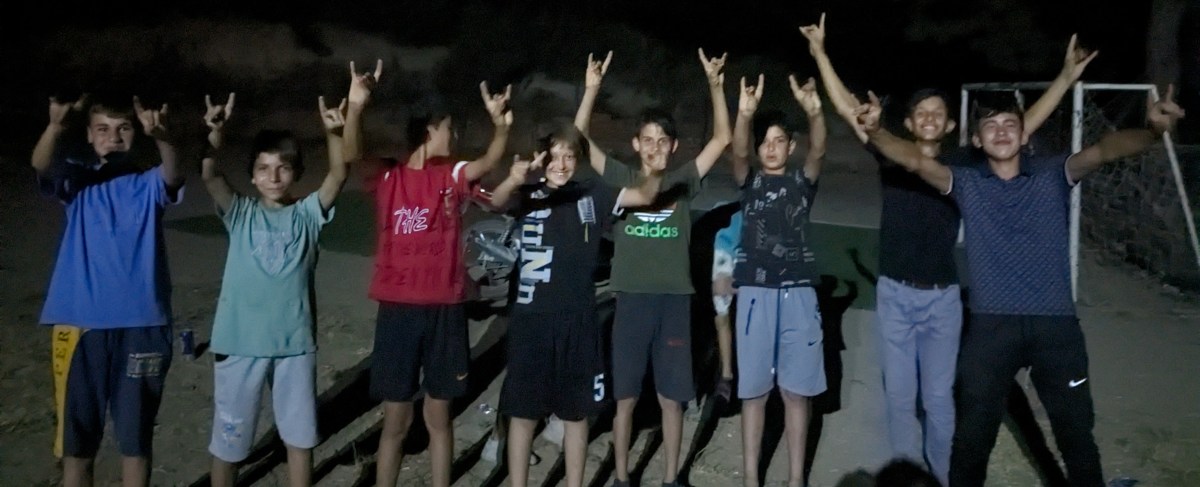
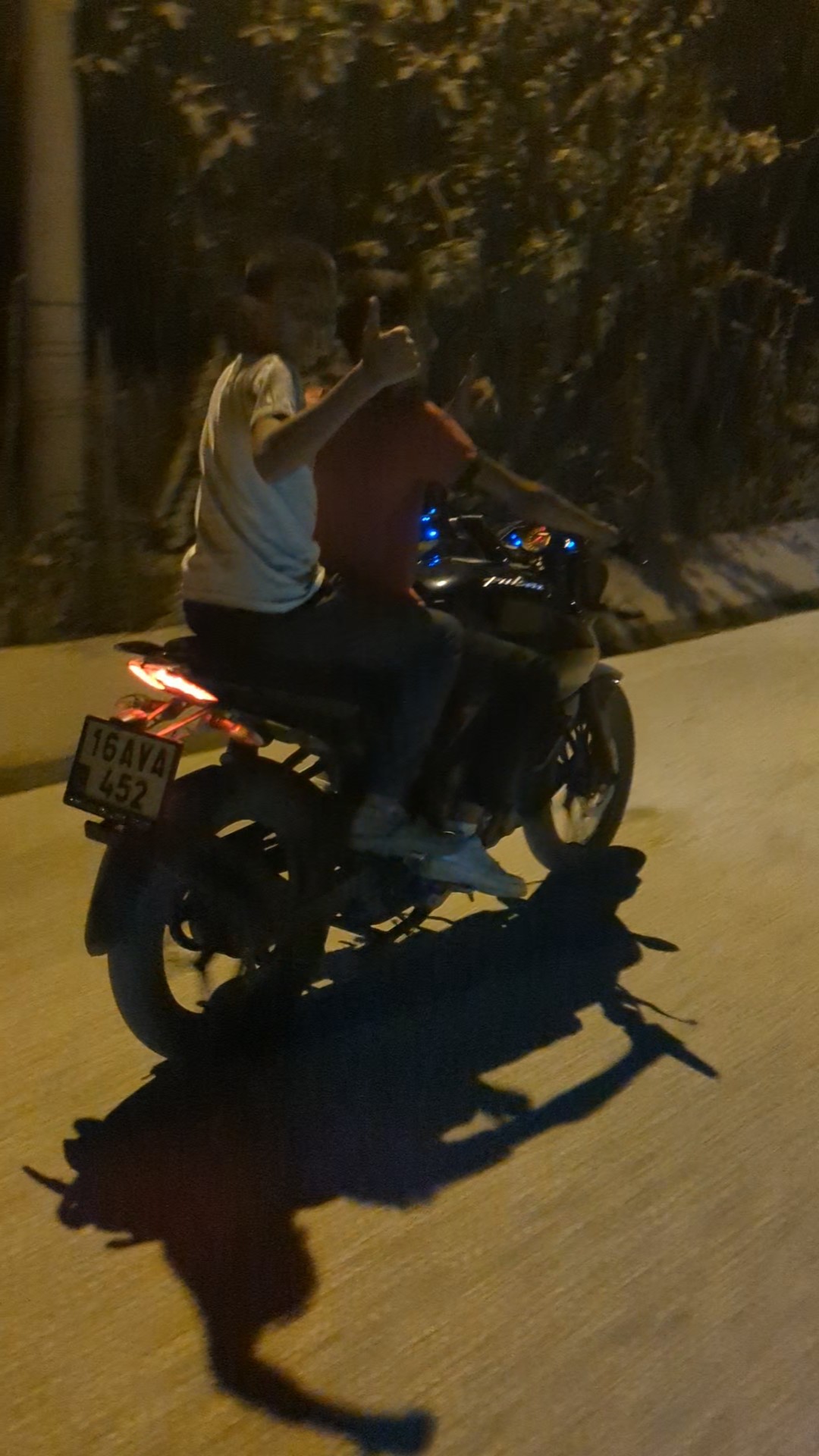
On my first evening, I ventured into a small village to find water and a suitable camping spot. That’s when I crossed paths with Muhammad and Ismail. Through the aid of Google Translate, we engaged in conversation, shared food, and then I was escorted by them on their motorbikes to the village’s football pitch, where they indicated I could camp for the night. As I finished setting up my tent, they returned, accompanied by what seemed like most of the village’s children on motorbikes, emitting a sense of curiosity. My original plan of having dinner and retiring for the night was derailed, as the children were intrigued by the presence of an Englishman camping in their village. The evening evolved into an impromptu football match and answering alot of questions.

The following day brought scorching heat, reportedly reaching 46 degrees according to my GPS, although I remained somewhat skeptical of that. Cycling through the intense heat posed a challenge. I’m still not sure the best course of action as sometimes I feel the breeze while riding is more refreshing than being stationary.

Passing through the ancient city of Eskisehir, I located a mosque where I was able to have a wash and refill my water supplies. Finding water in Turkey has been incredibly easy with every village having a mosque and almost every mosque having drinking water.

That evening, I slept in a park, awakening to the sight of a friendly shepherd leading a flock of goats through the area. Although language barriers impeded our conversation, I tried my best to explain to this curious man why I was camped there and where I was going.

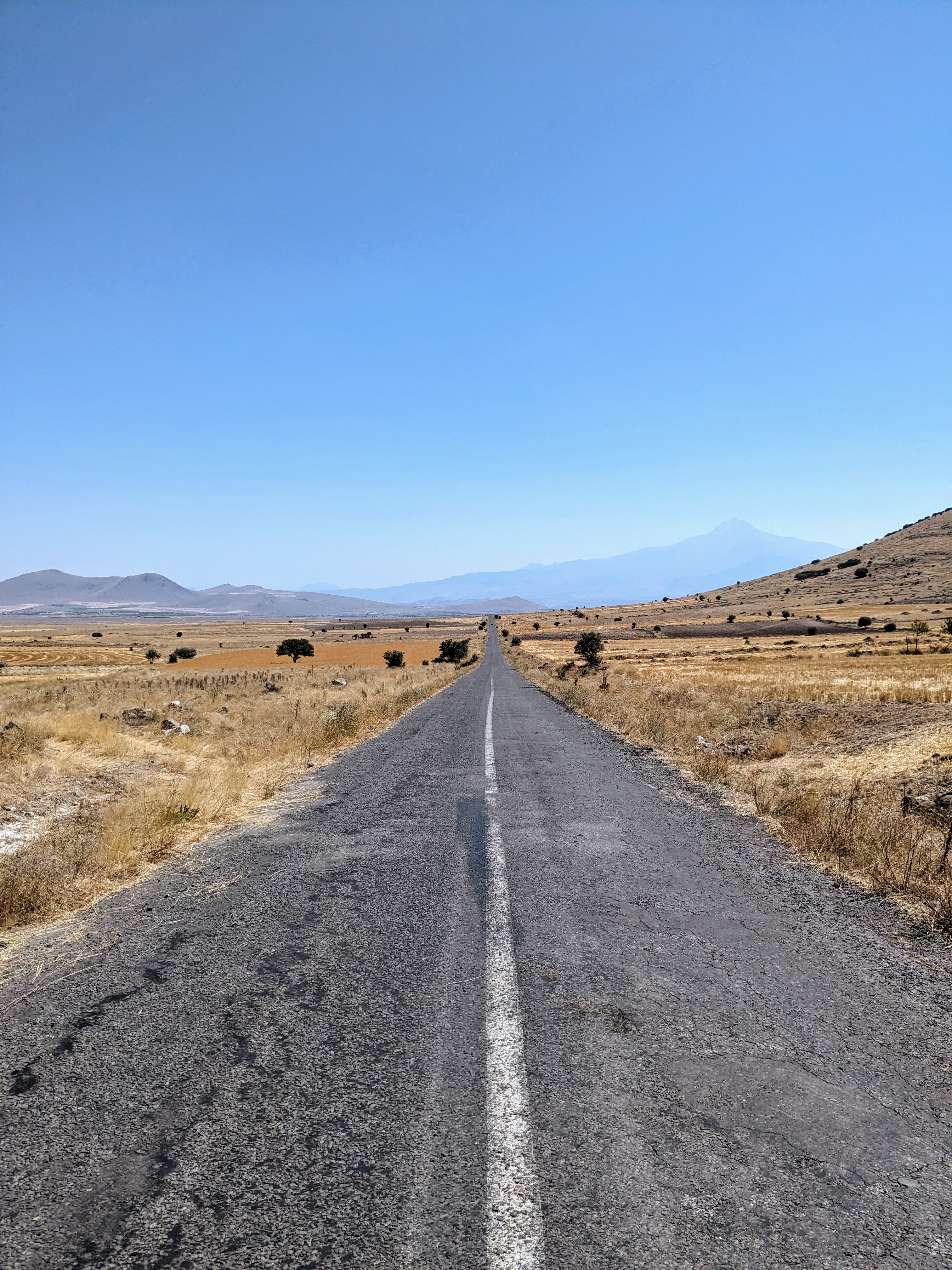
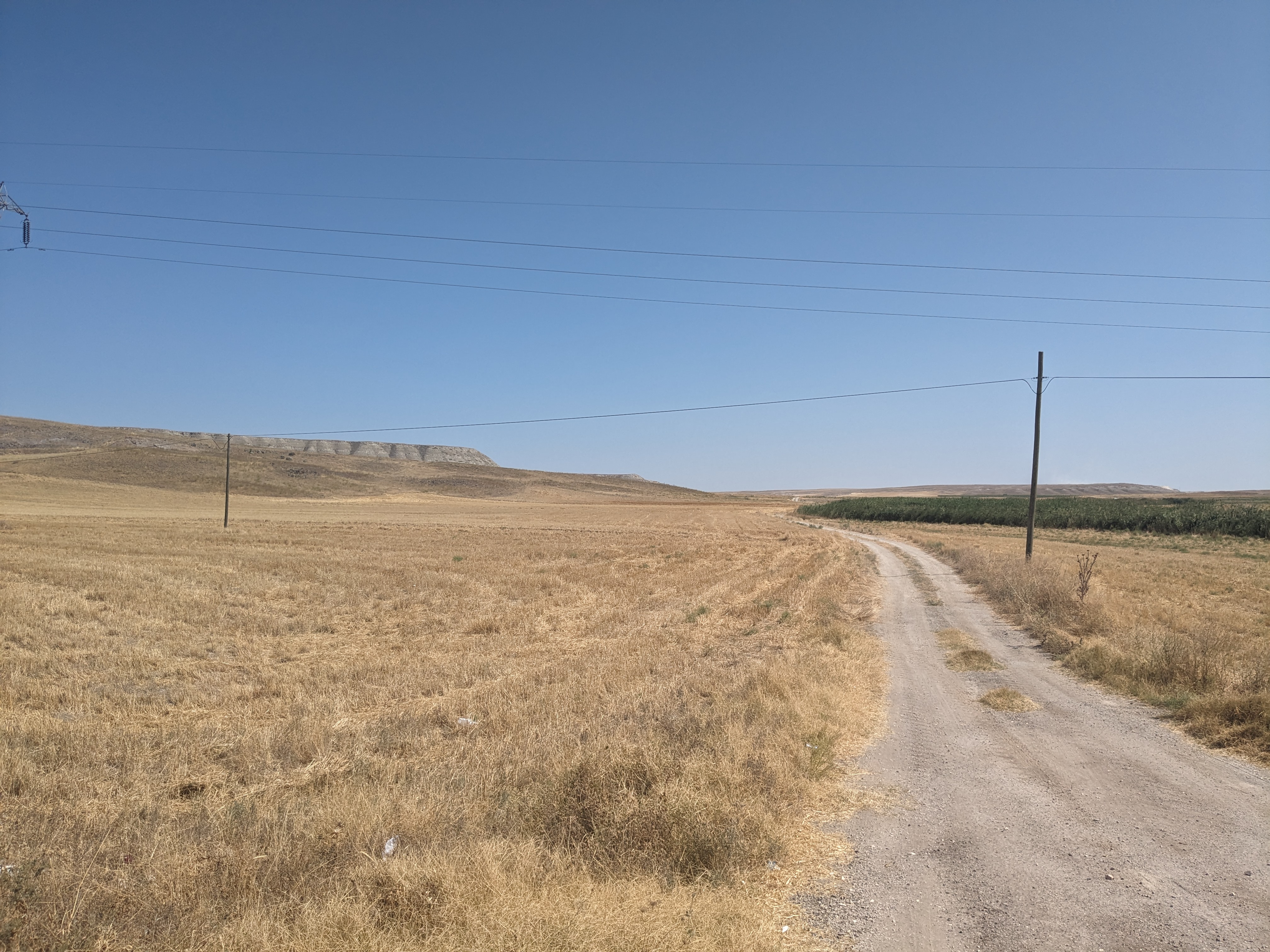
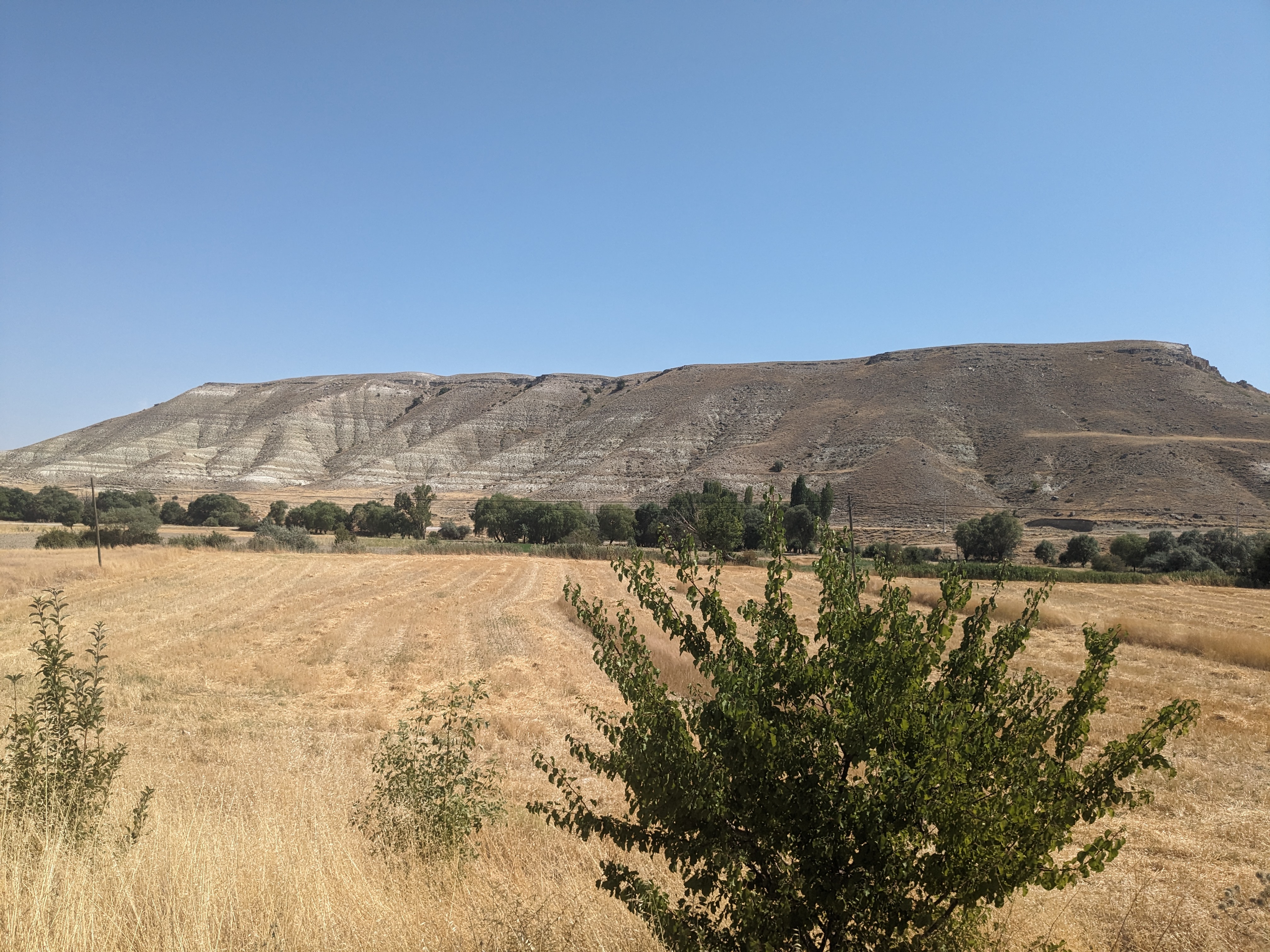
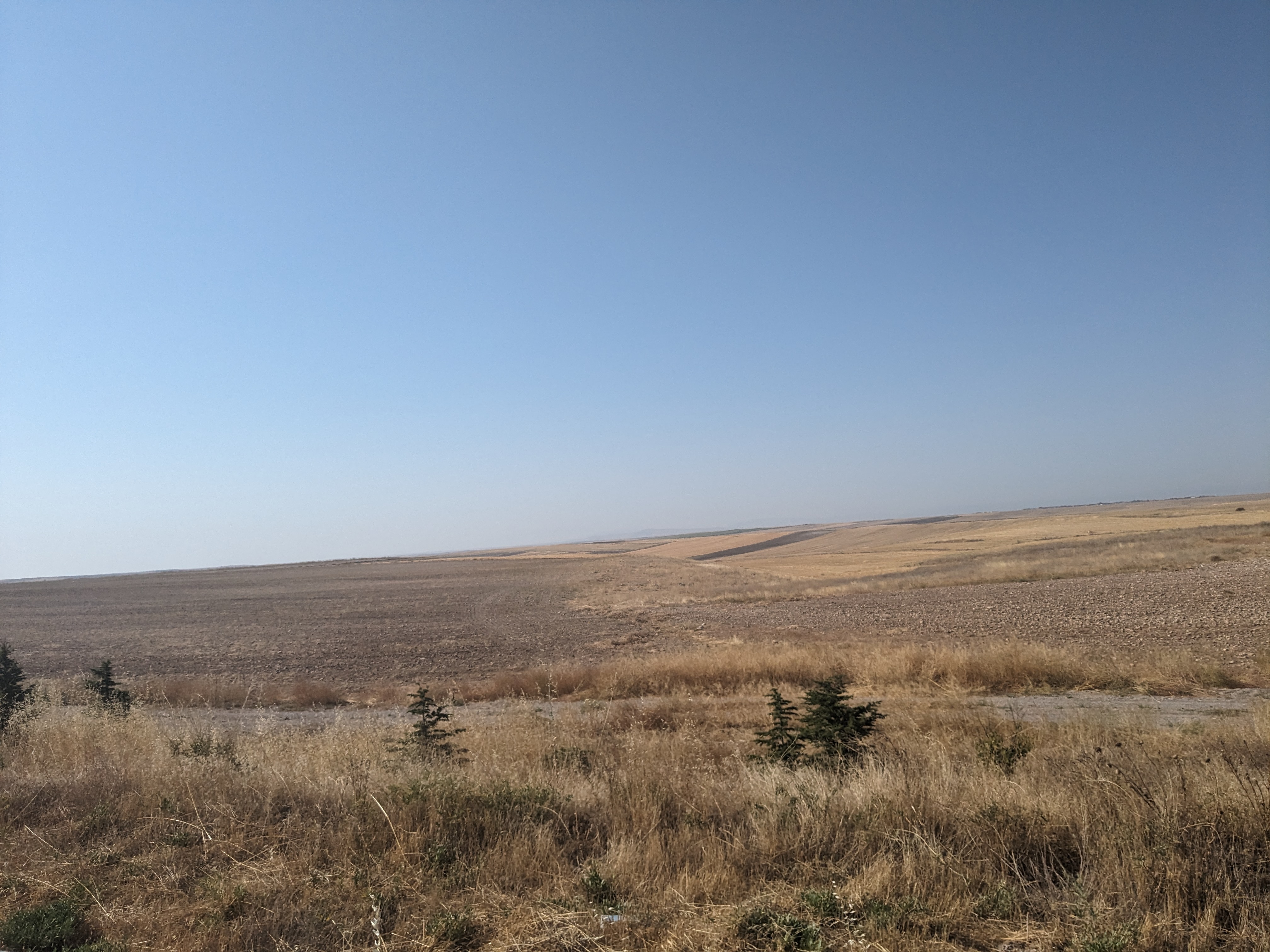
The day’s objective was to reach Lake Tuz, a salt flat. Throughout the day however, I cycled through some fantastic landscape and it was clear by now I’d left Europe.

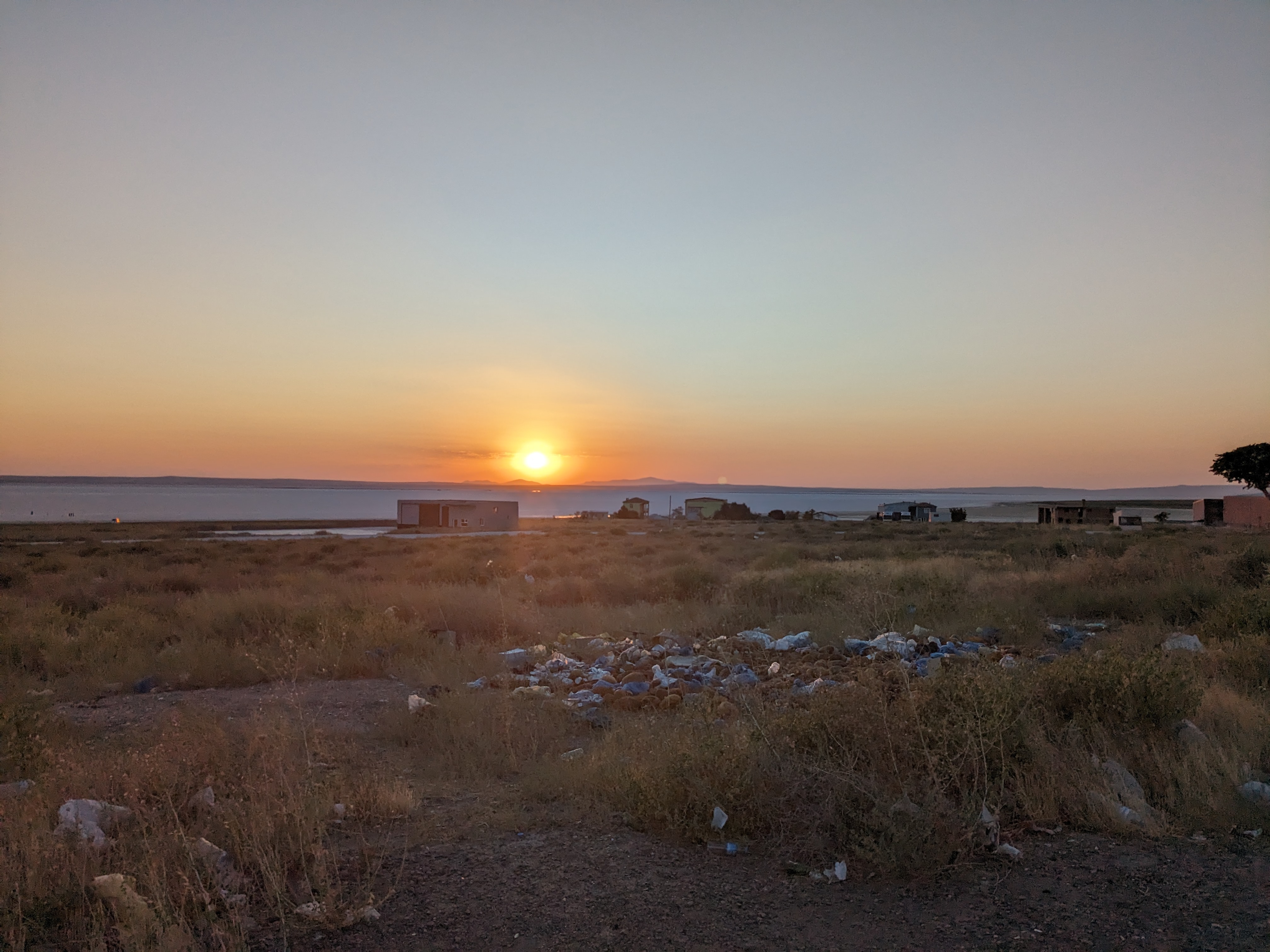
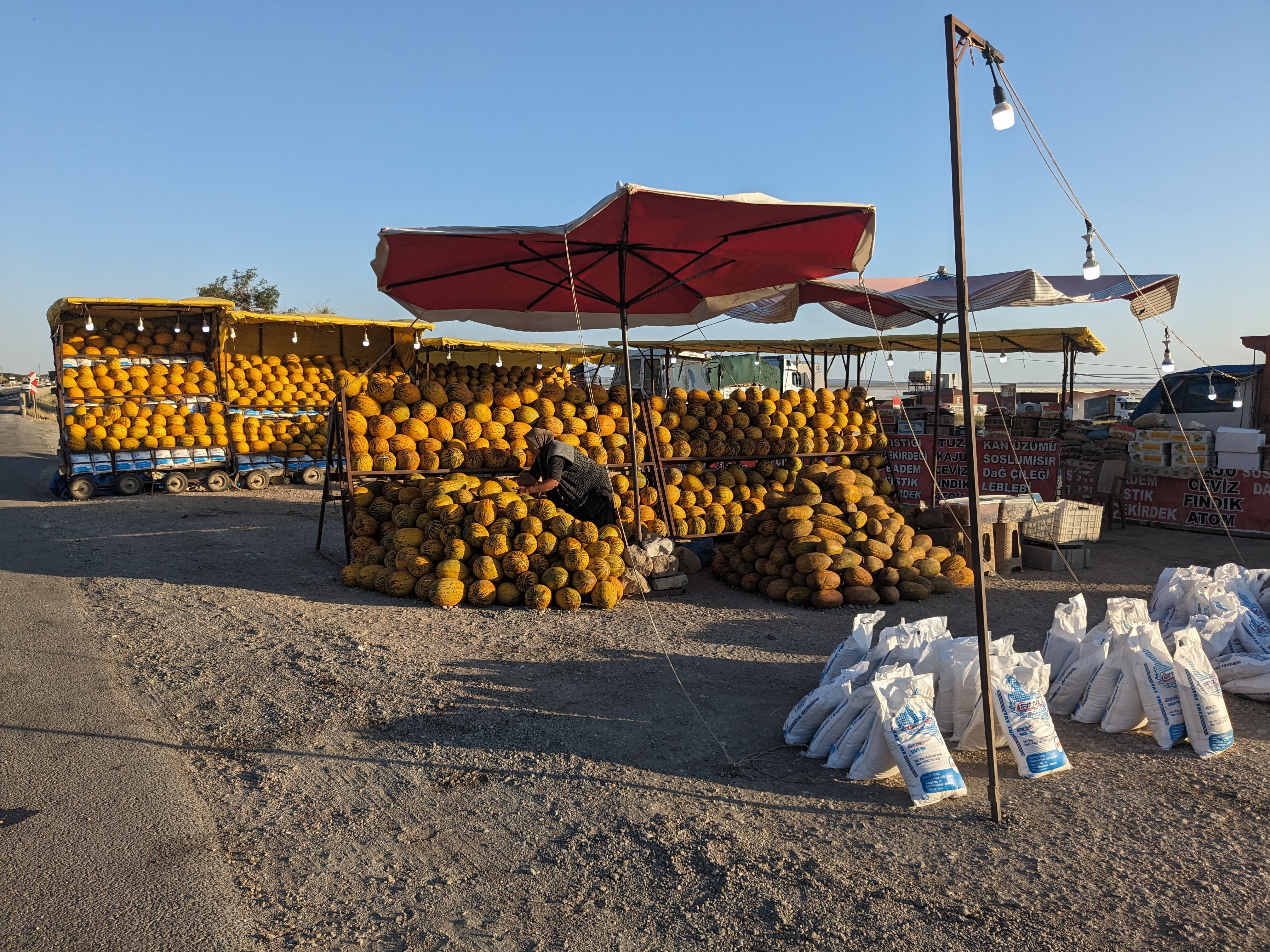
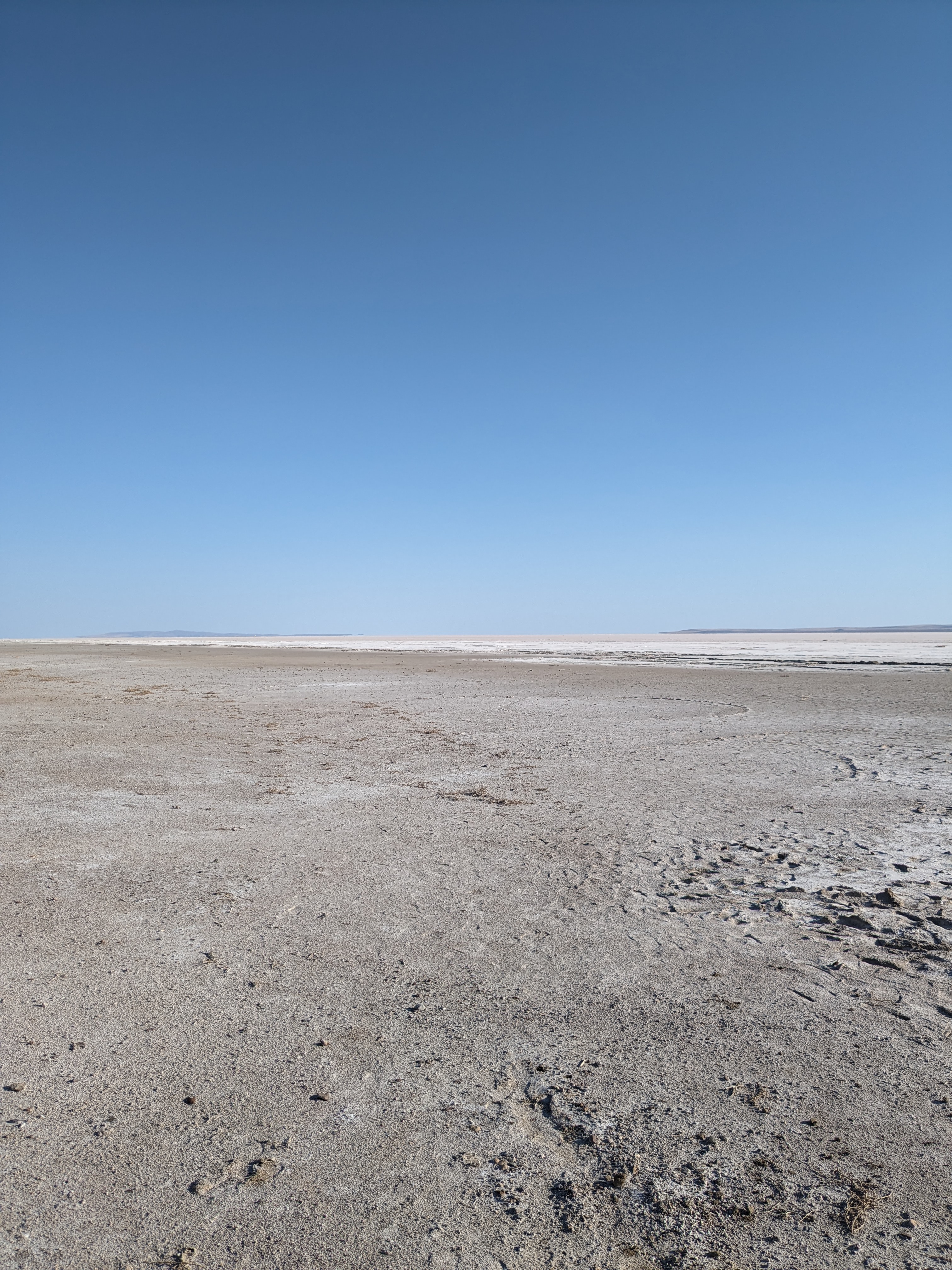
Once at Lake Tuz, the sight of an expansive horizon with nothing but emptiness was impressive. That evening, I stopped at one of the numerous melon stalls that have become commonplace since my time in Croatia. While I was in Turkey, the prevalence of these stalls seemed unparalleled. I’ve never seen any melons being grown anywhere, so I’m still not too sure where they all come from. The vendor running the stand was happy for me to camp there, allowing me to witness a picturesque sunset over the lake.

The subsequent day proved difficult due to significant issues with my bike. Sensing that something was amiss, I located a bike shop in Aksaray. They were helpful but indicated that fixing the bike there was unfeasible due to the required parts’ unavailability, requiring a wait of four days. I opted to take a bus to Kayseri, where I could find a shop capable of addressing the issues. After a two-hour bus ride, I located a shop that could fix it – a new rear hub and bottom bracket were required. They promised to have the bike fixed by the following afternoon. Feeling a bit down, I treated myself to a night in a hotel although my spirits were quickly lifted by the

friendly hotel staff offering me drinks. That evening was then spent chatting and drinking with these three men before I headed up to my room for some rest.

By 1 pm the next day, my bike was repaired and I set off westward towards Cappadocia.

The recent days have been both mentally and physically demanding for several reasons.

Firstly, a significant aspiration of my trip is to cycle through the Pamir mountains in Tajikistan. To accomplish this, I must reach the area by mid-September to avoid extreme cold temperatures. This target required me to cover approximately 130 km per day, which initially seemed feasible. However, the experience of spending eight hours on the bike daily and feeling obligated to press on took a toll on my enjoyment of the trip. My solution to this is taking a bus across most of Turkey to reduce the distance I need to cycle.

Transitioning into Asia marked a distinct culture shock. Access to Wi-Fi became more challenging, English speakers became scarce, and I often sensed that I was being overcharged for food and beverages. The toilets were also a stark contrast at first!

Nonetheless, most people I’ve encountered have been remarkably friendly and intrigued by my journey, with the younger people often wanting to connect on Instagram and take photos together. I have also shared tea and food with some interesting people whilst amongst some great scenery.

European Turkey and Istanbul

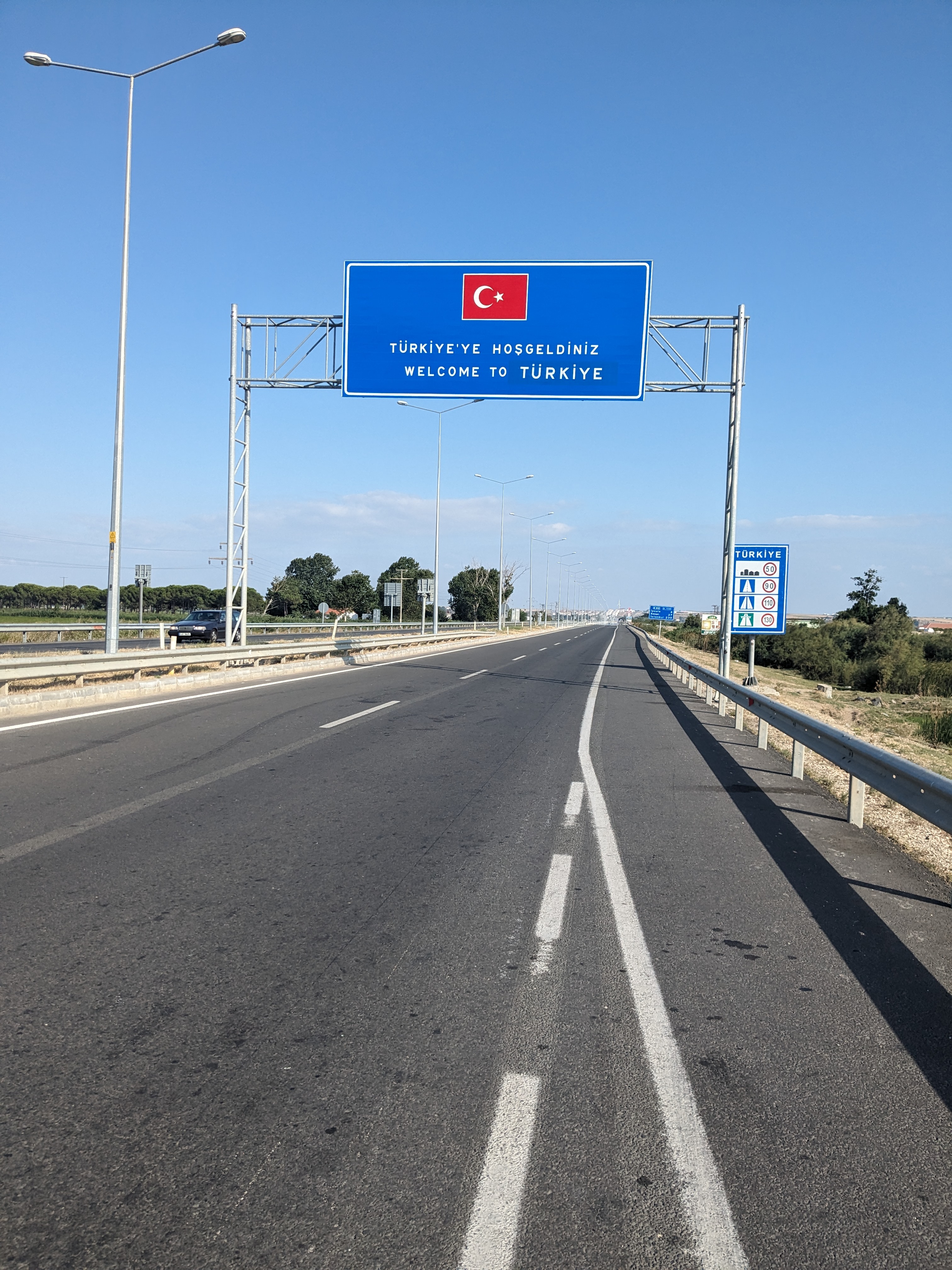
The Turkish border crossing carried a significant air of seriousness. The demarcation line was the Maritsa River, where Greek and Turkish armed guards stood watch on either side of the bridge. As I entered Turkey, my passport underwent thorough scrutiny. Three separate individuals examined it, with the final officer meticulously inspecting each stamp to trace my journey. This look quite a while but eventually my passport was returned, and I was officially in Turkey.

Though another day plagued by a persistent headwind, I managed to reach Kesan, where I sought refuge in a local park for the night. Interestingly, in Turkey, it seemed acceptable to camp in city parks and the café owner in the vicinity was very encouraging I camp there. This was a fantastic place to camp with toilets, drinking water and even WiFi for the night!

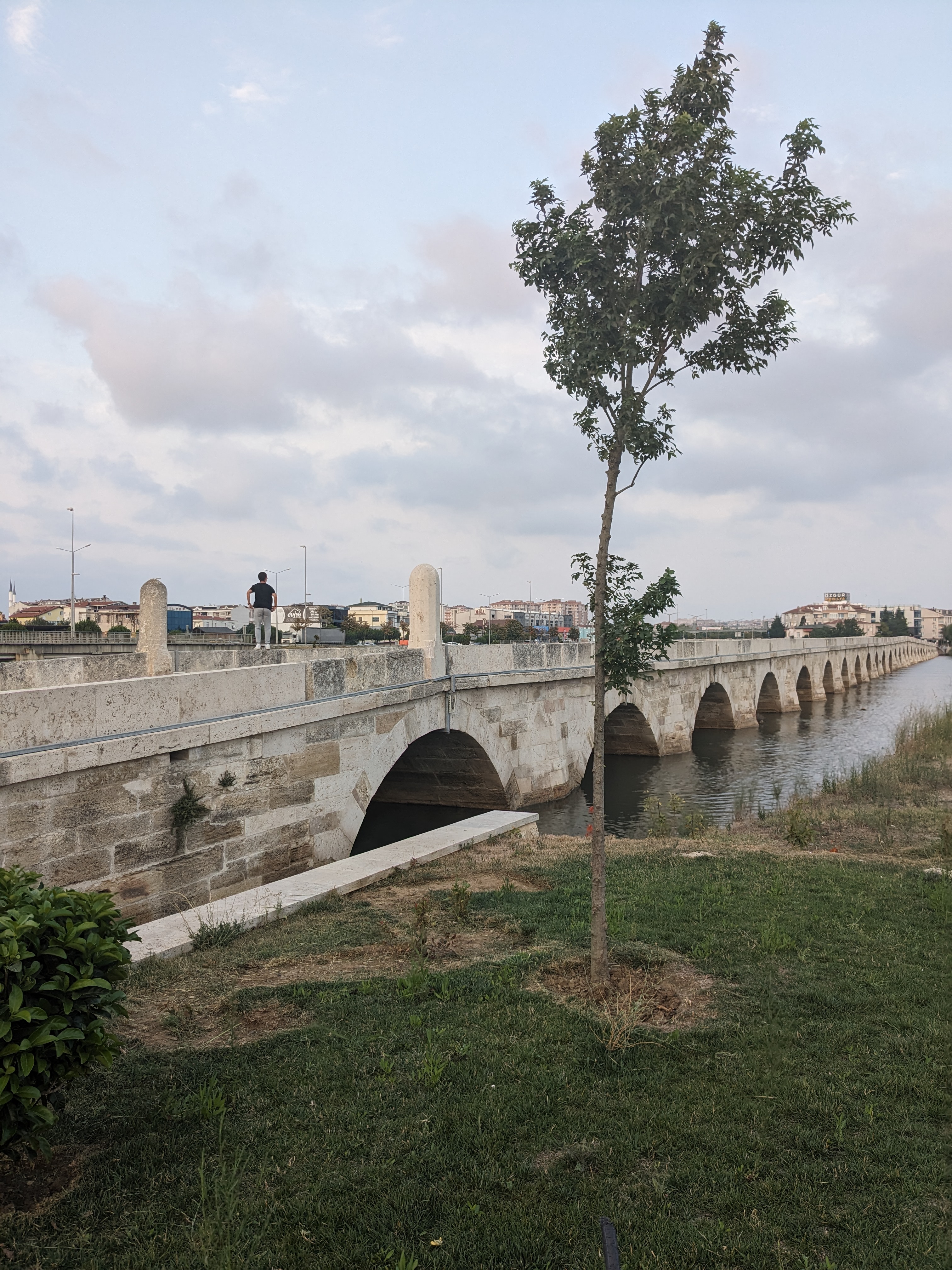
Continuing my journey, the subsequent day saw me cycling along a dual carriageway for the most part. Stopping in Tekirdag, I withdrew cash and visited the supermarket, where I was pleasantly surprised by the affordability of everything. A shop that would have set me back £15 in Greece now cost only £10.

That evening, I made my way to the beach in Silivri, with hopes of camping there for the night. However, my plans took an unexpected turn when I spoke to a worker at one of the beach huts. He cautioned against camping due to police patrols in the area. Nonetheless, I seized the opportunity for a refreshing swim before eventually ending up camping between some trees in a junction off the main road.

My goal for the following day was to reach Istanbul. I’d been warned by numerous sources that cycling into the city was a daunting prospect due to heavy traffic and drivers lacking consideration for cyclists. While some recommended taking a longer route through the hills to the north, following the Bosphorus Strait into the city, this would have added around 100 km to my journey. I opted to stick to the main roads, ready to divert if conditions became unbearable.

The roads were indeed congested, but the slow-moving traffic, primarily due to city centre congestion, made it manageable to cycle through. A driver even handed me a can of coke at one point out of his window! Eventually, I veered off the main roads and navigated my way into the old city, often tracing the tram lines.

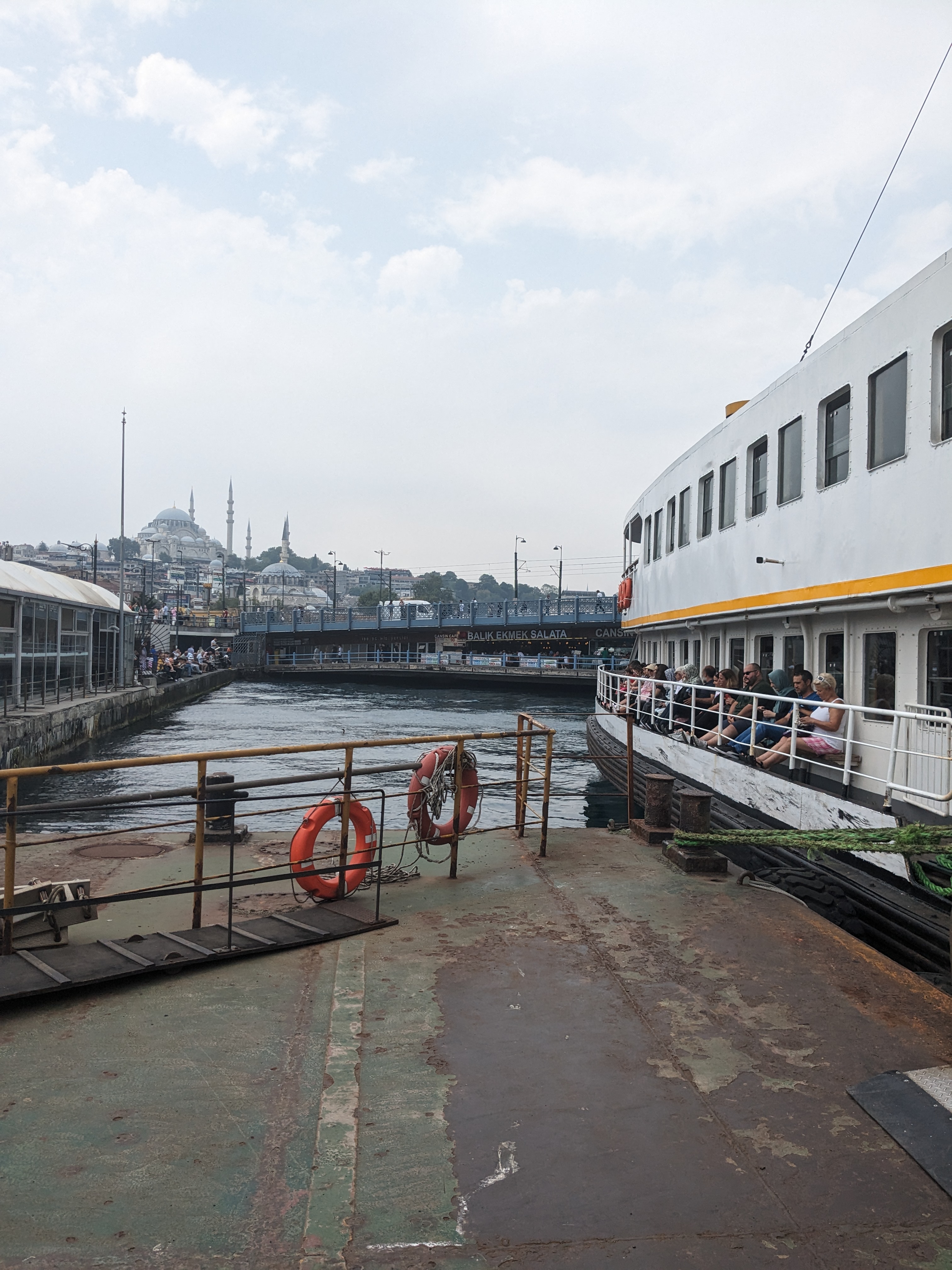
I then hopped on the ferry to cross the Bosphorus Strait. Once across, I reached the home of William, an American now residing in Istanbul. He warmly welcomed me, cooking me to a fantastic lunch. To my surprise, he entrusted me with the keys to his apartment, extending an open invitation to stay for as long as needed.

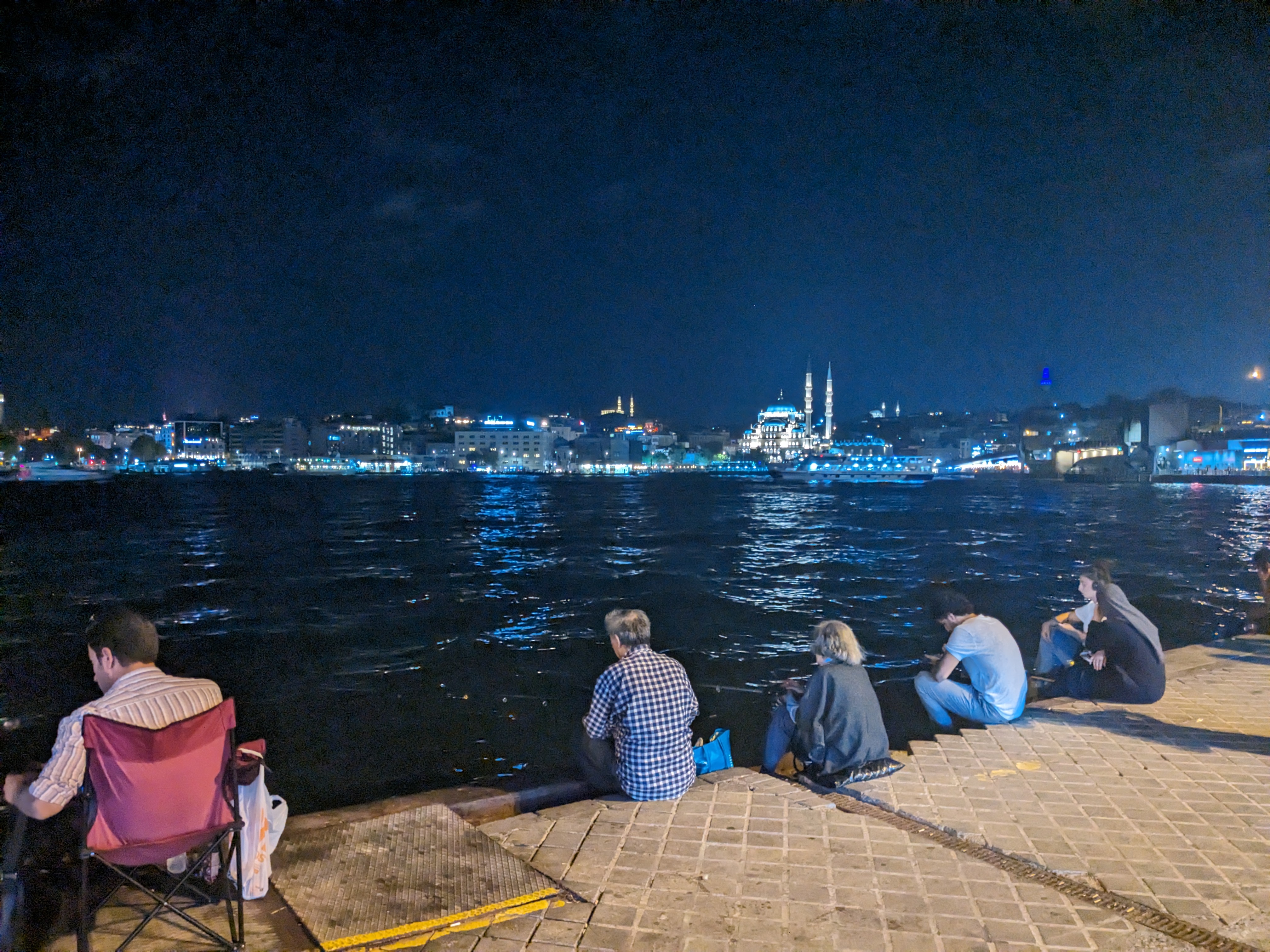
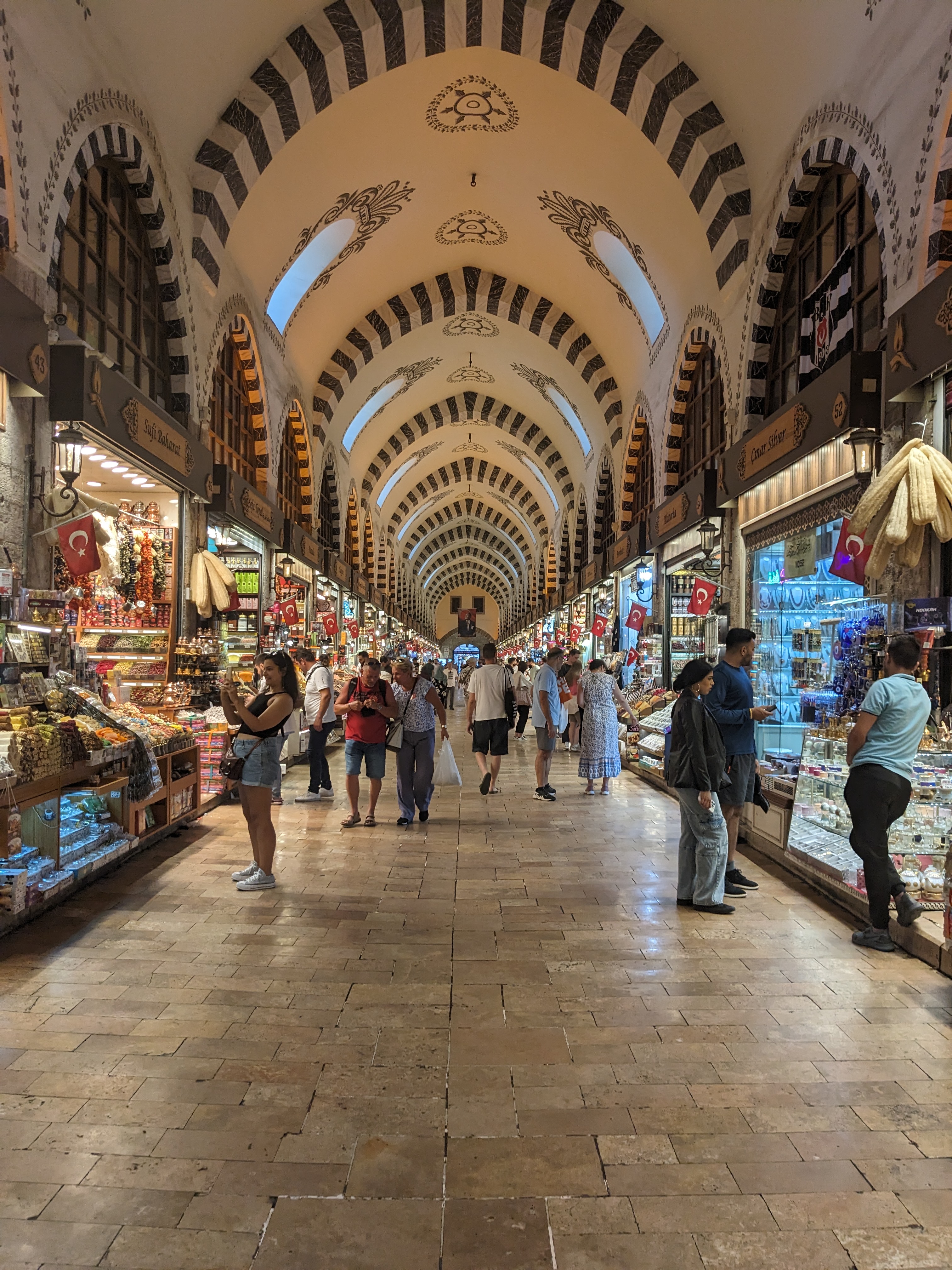
Venturing back to the European side of the city that evening, I explored the old town. Its charm was enhanced after dark, with bars and restaurants illuminating the surroundings.

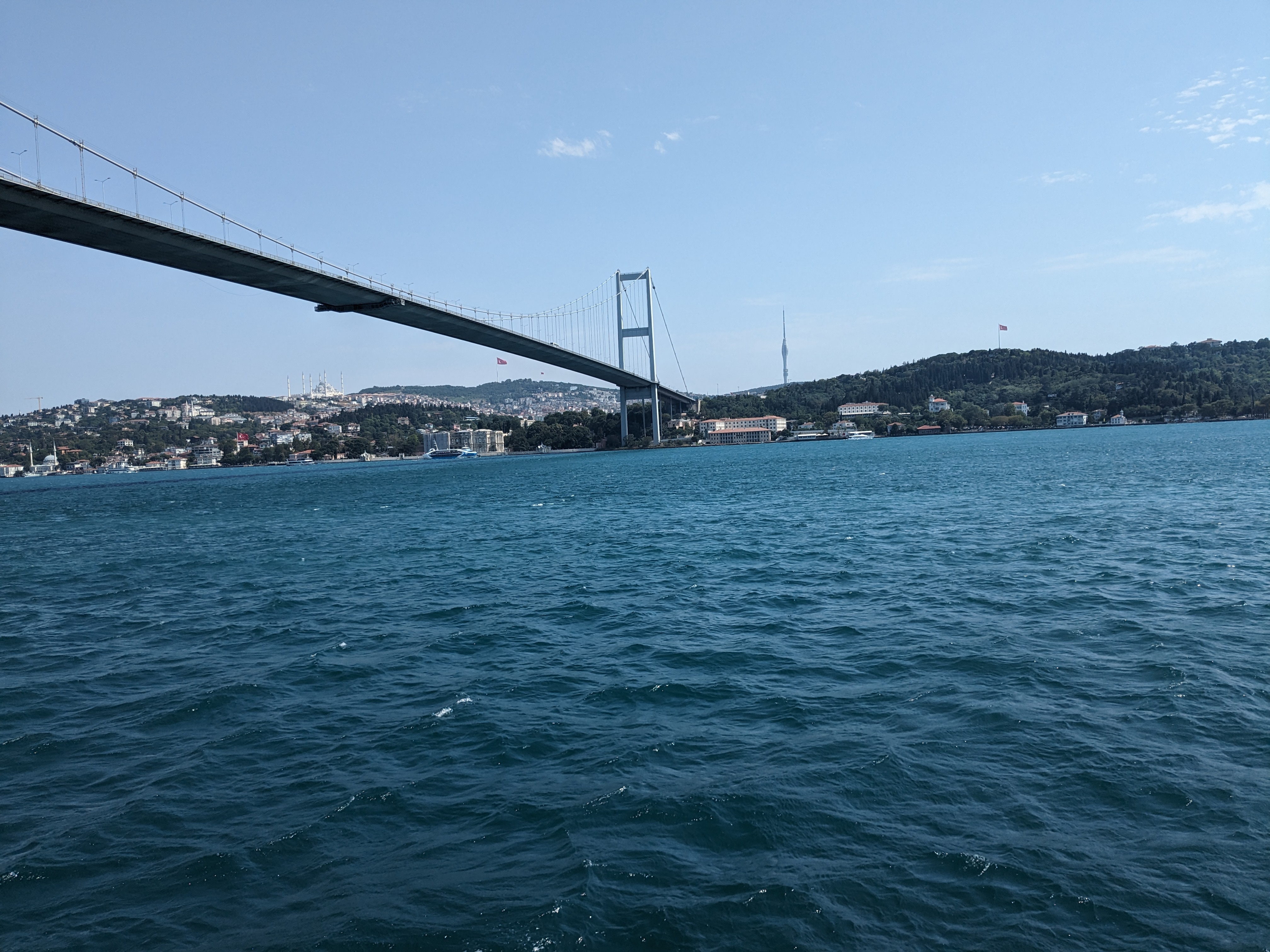
The following day, I embarked on an early exploration of the old city before the heat and crowds set in. It proved to be an enjoyable day, walking around unburdened by my bicycle. I also indulged in a boat ride up the Bosphorus Strait.

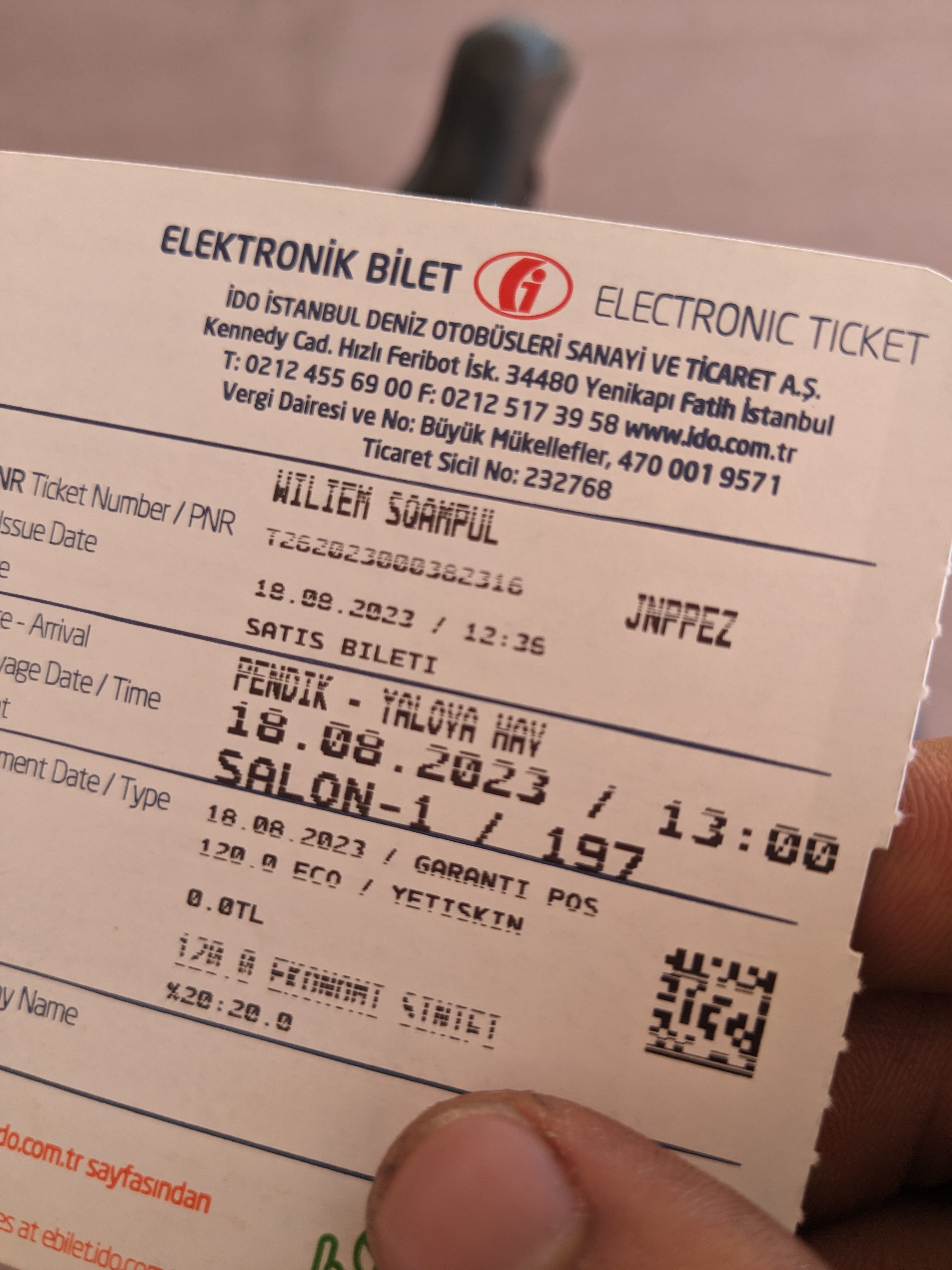
Despite the temptation to linger in Istanbul, I knew my journey must continue. Departing was smoother than my arrival, as I joined a 20 km coastal cycle path before taking a ferry to Yalova, avoiding some of the busier eastern roads. The hour long ferry only cost £4 and was very easy even if they didn’t quite get the name on my ticket right!

Istanbul left an indelible impression. Its ambiance was distinct from Western European cities, striking a balance between tranquility and chaos. After 37 days and 15 countries, I have now completed Europe. My route now directs me eastward into Asia, roughly tracing the path of the ancient Silk Road.