Bosnia and Herzegovina, Southern Croatia and Montenegro

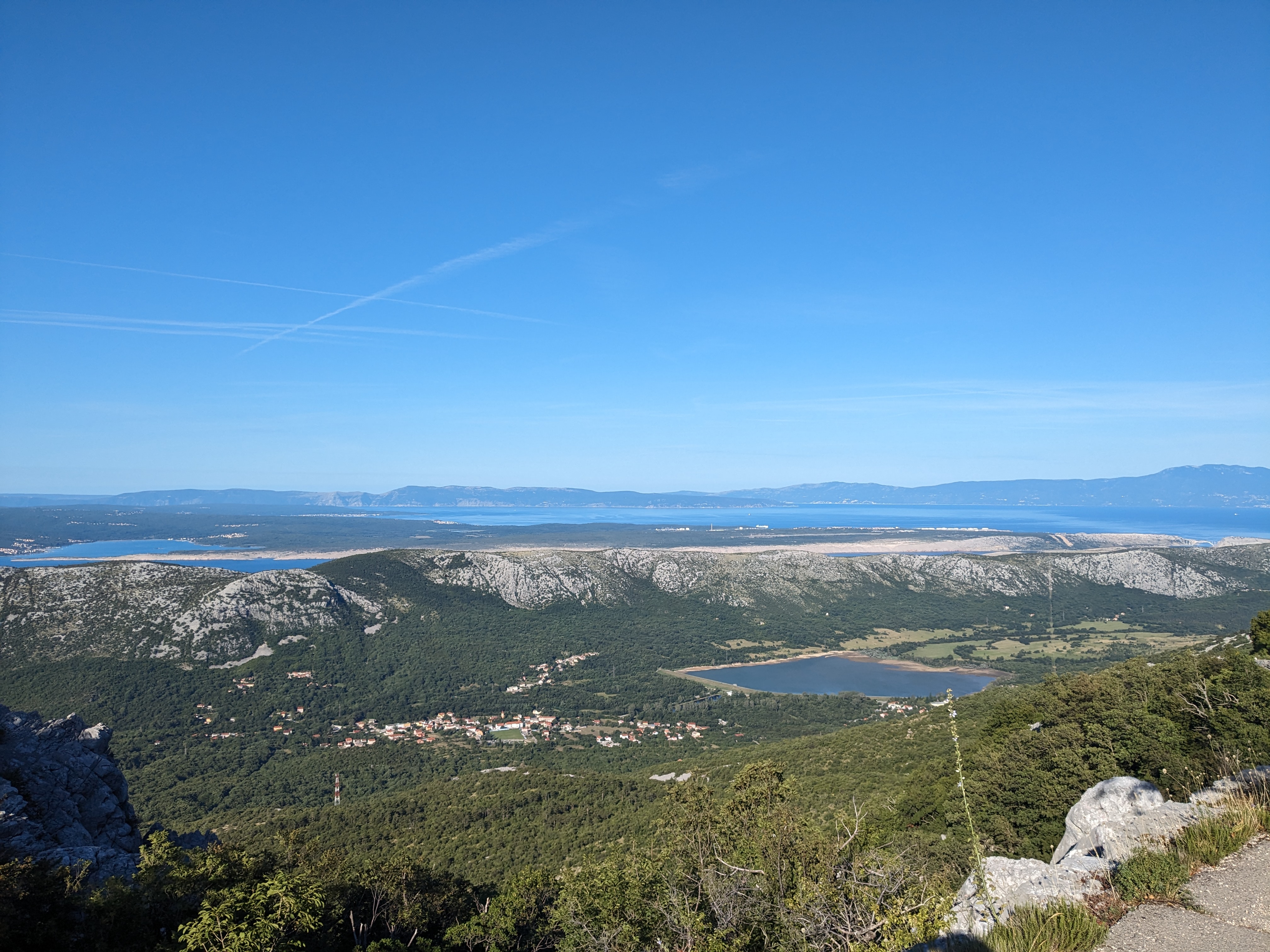
I had always intended to briefly cross through Bosnia and Herzegovina, covering just 10 km, to reach the southern part of Croatia. However, after conversing with fellow cycle tourists, I was convinced to embark on a more extensive detour, exploring the countryside and even the city of Mostar. This decision offered the added benefits of potentially cooler weather away from the coast and the avoidance of the busy main road south of Split.

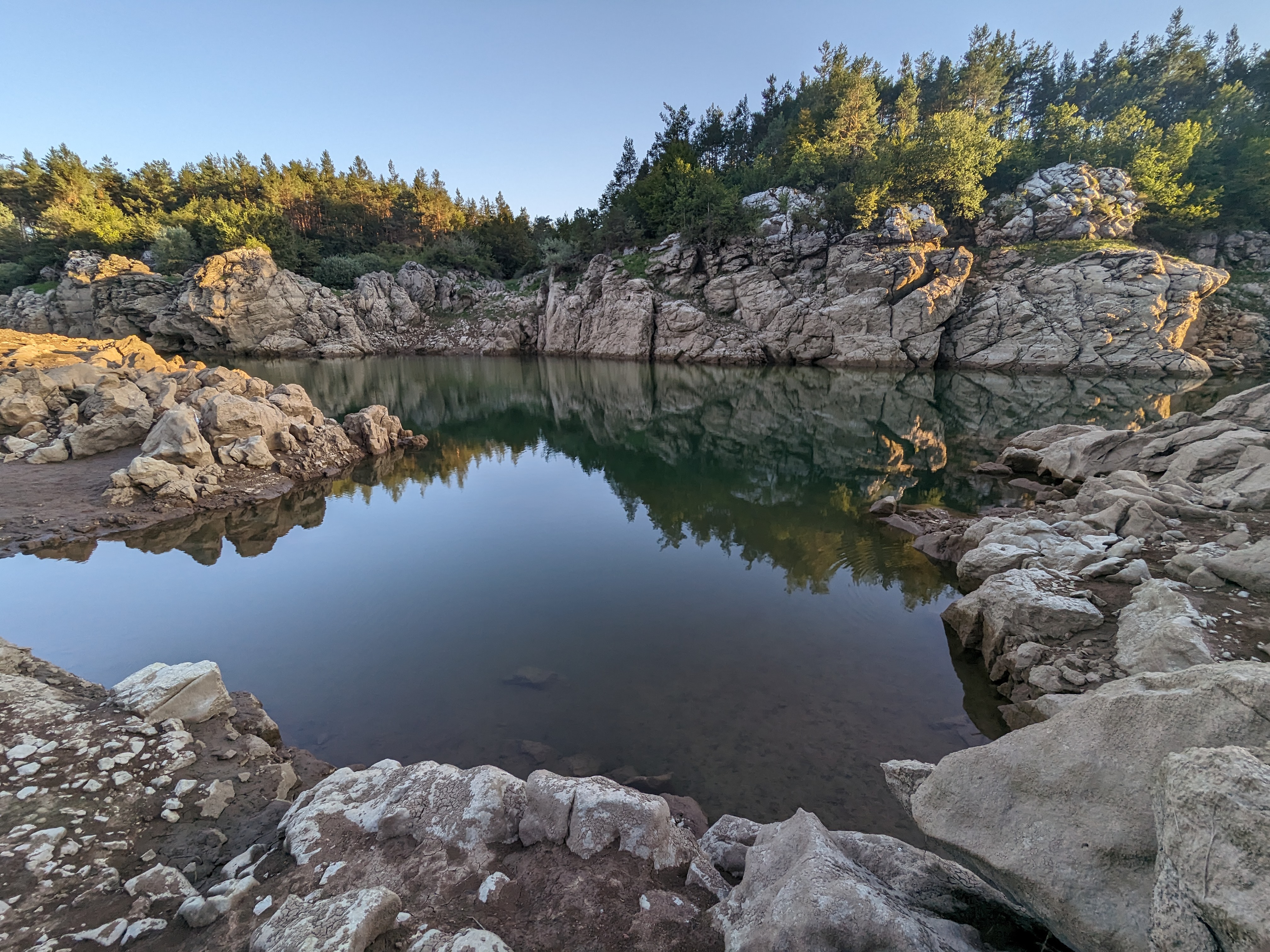
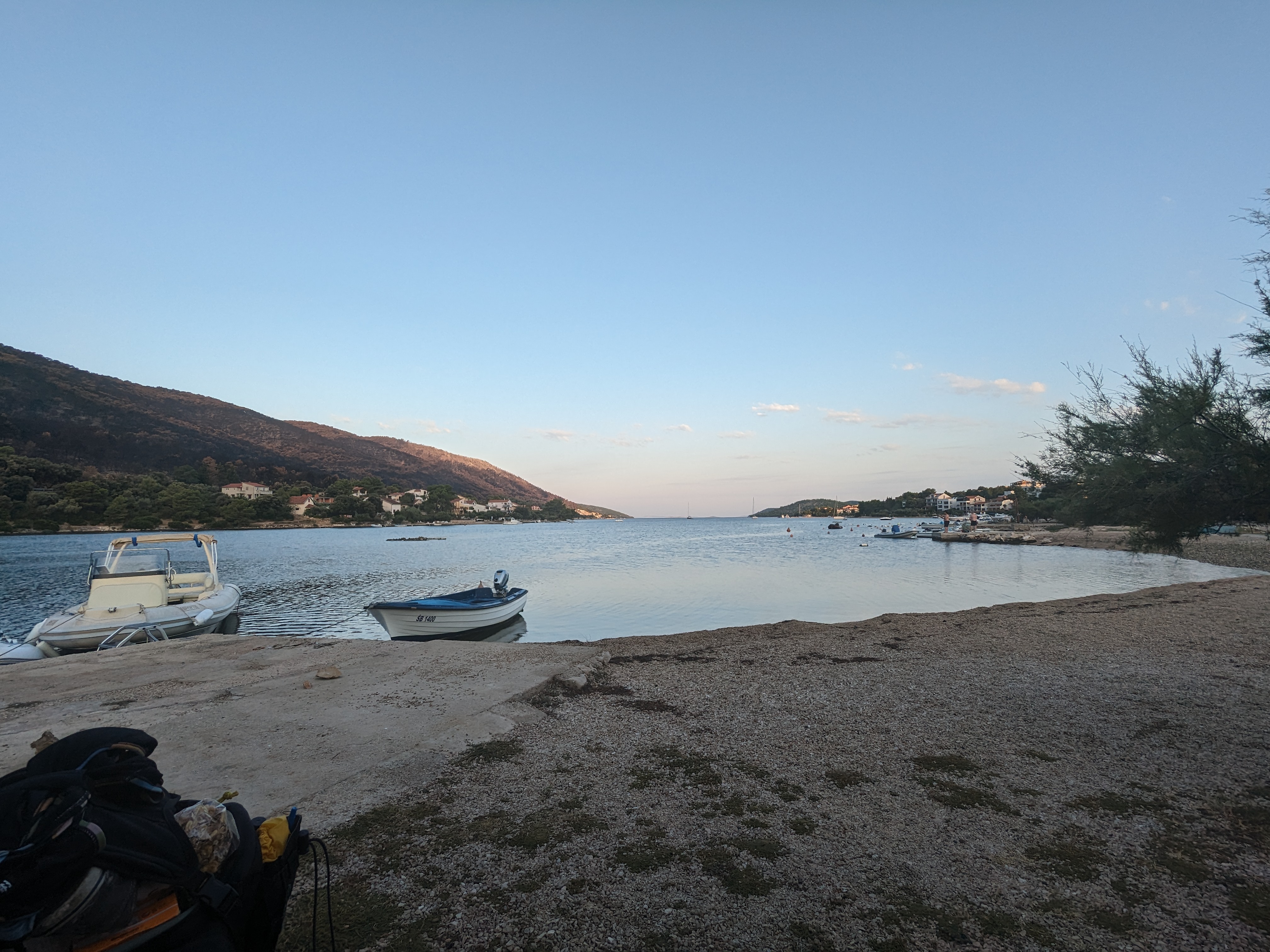
Crossing into the country marked my first passport check since my arrival in France, and the border crossing went exceptionally smoothly. I was greeted by a vast lake that enticed me to take a refreshing swim.

My route led me through the captivating Blidinje Nature Park. Following a climb to 1247 meters, I found myself on an expansive, sparsely populated plateau. The cycling experience through this wilderness, aided by a favorable tailwind, was very enjoyable.

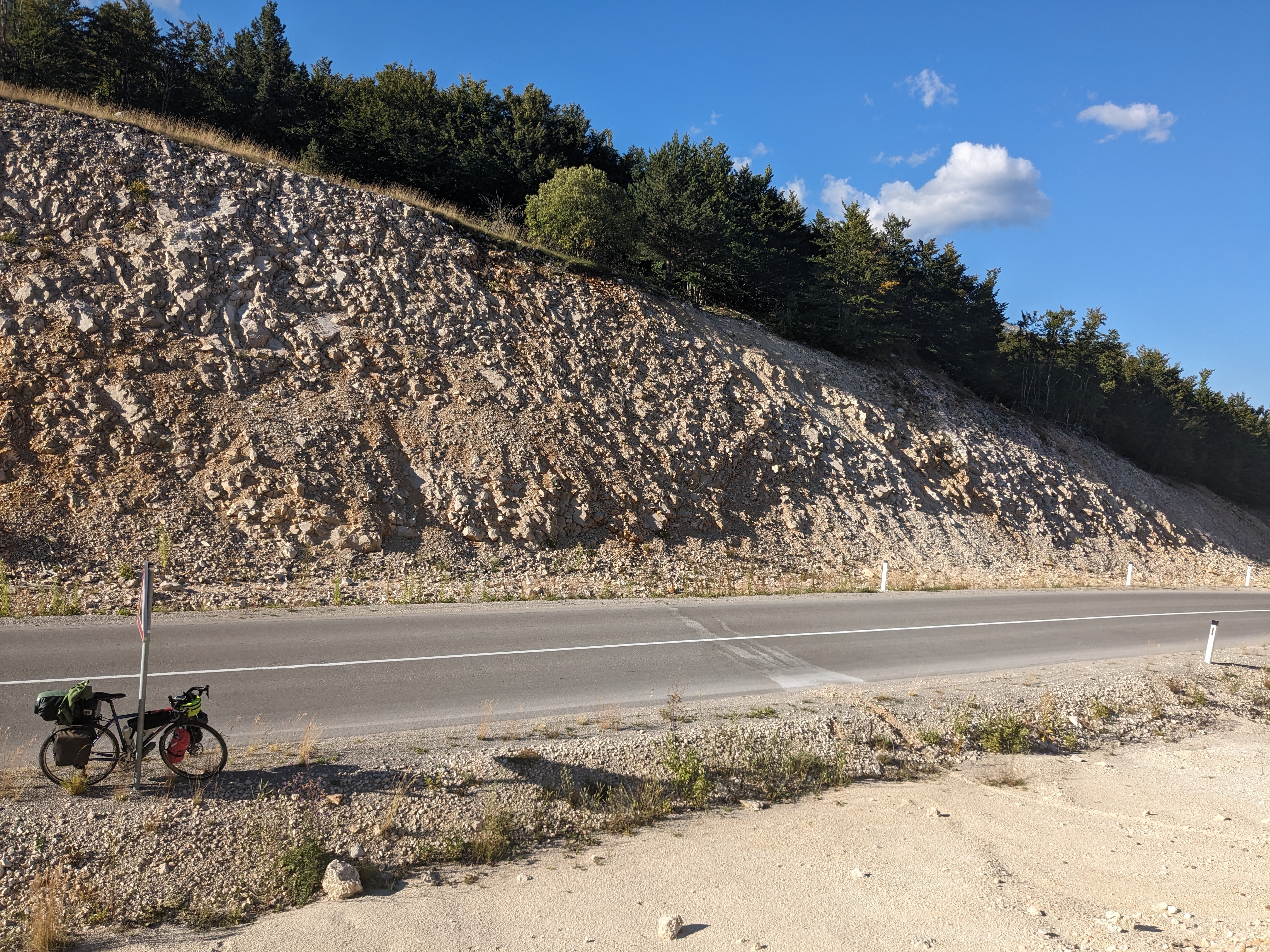
The subsequent descent from this altitude was exhilarating, as I followed an impeccably maintained road that meandered through the valley. I located a suitable camping spot along this route for the night.
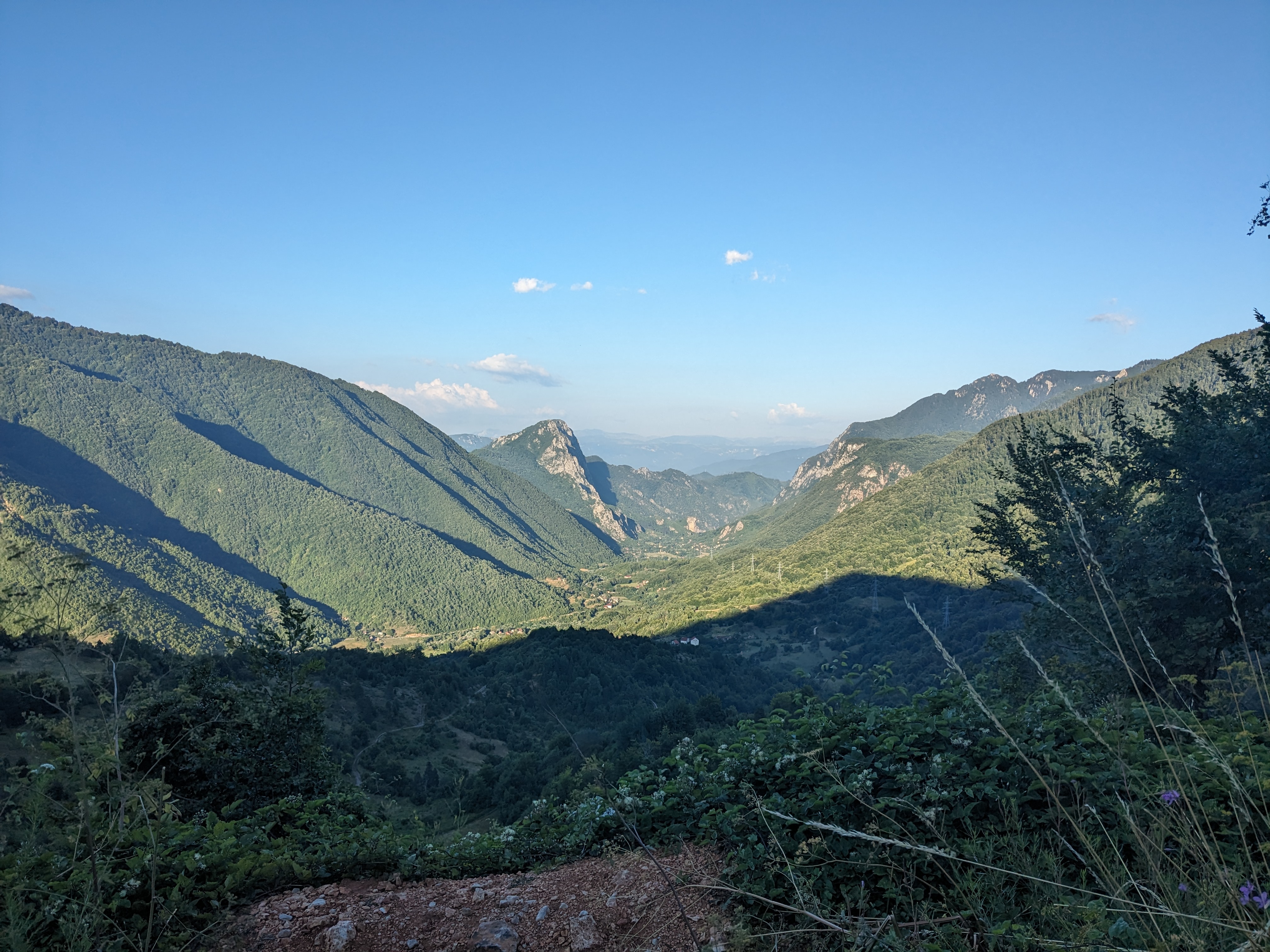
The following morning marked the onset of rain. The rain had begun during the night and I decided to bravely pedal through it during the morning hours.

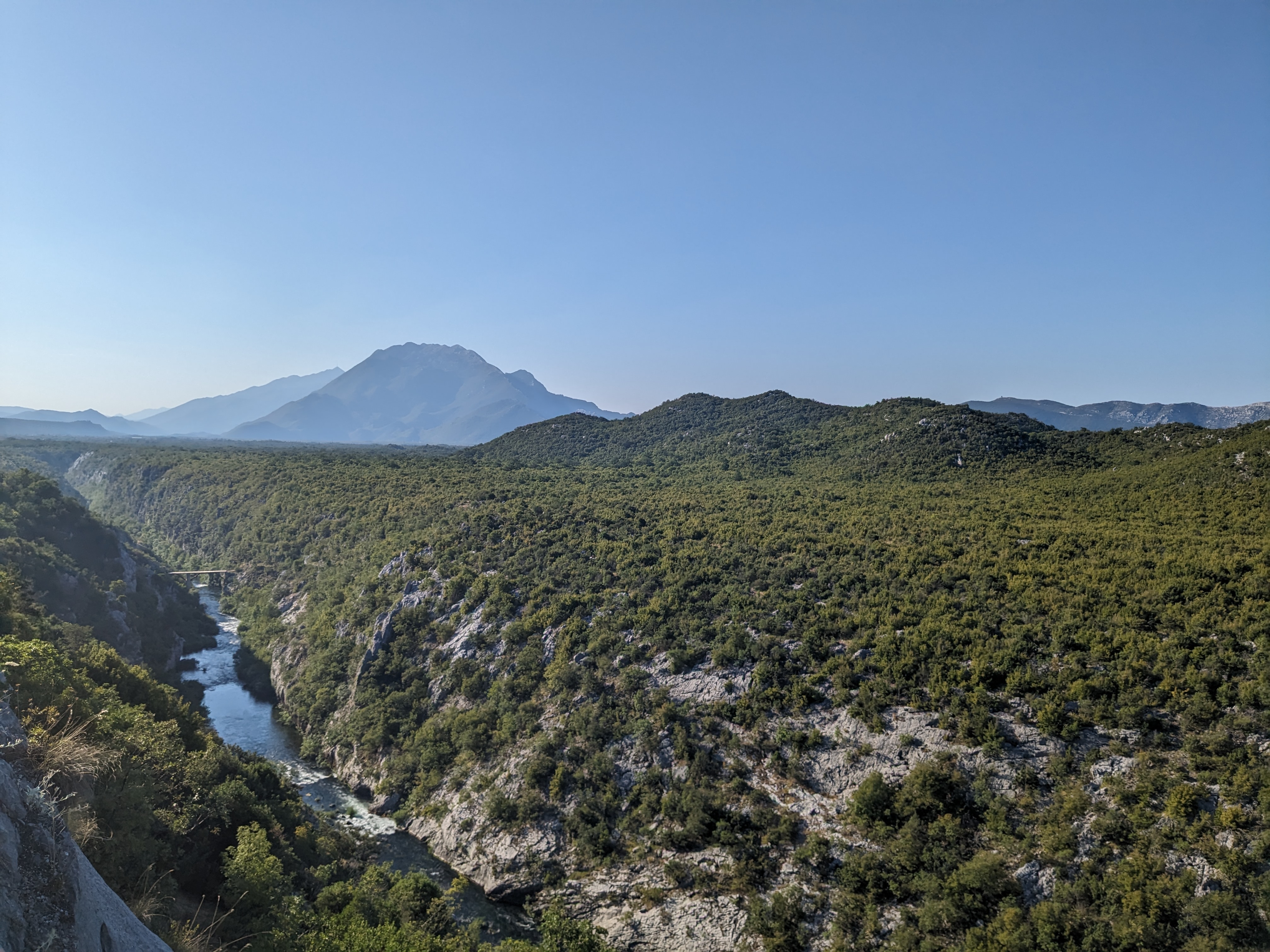
I joined the valley road that traced the course of the Neretva River. This road would eventually lead me back to Croatia. However, my first stop was Mostar, a city renowned for its touristy old town and iconic bridge.

Due to the relentless rain, my time in Mostar was brief and I didn’t spend long wondering around the old stone buildings.

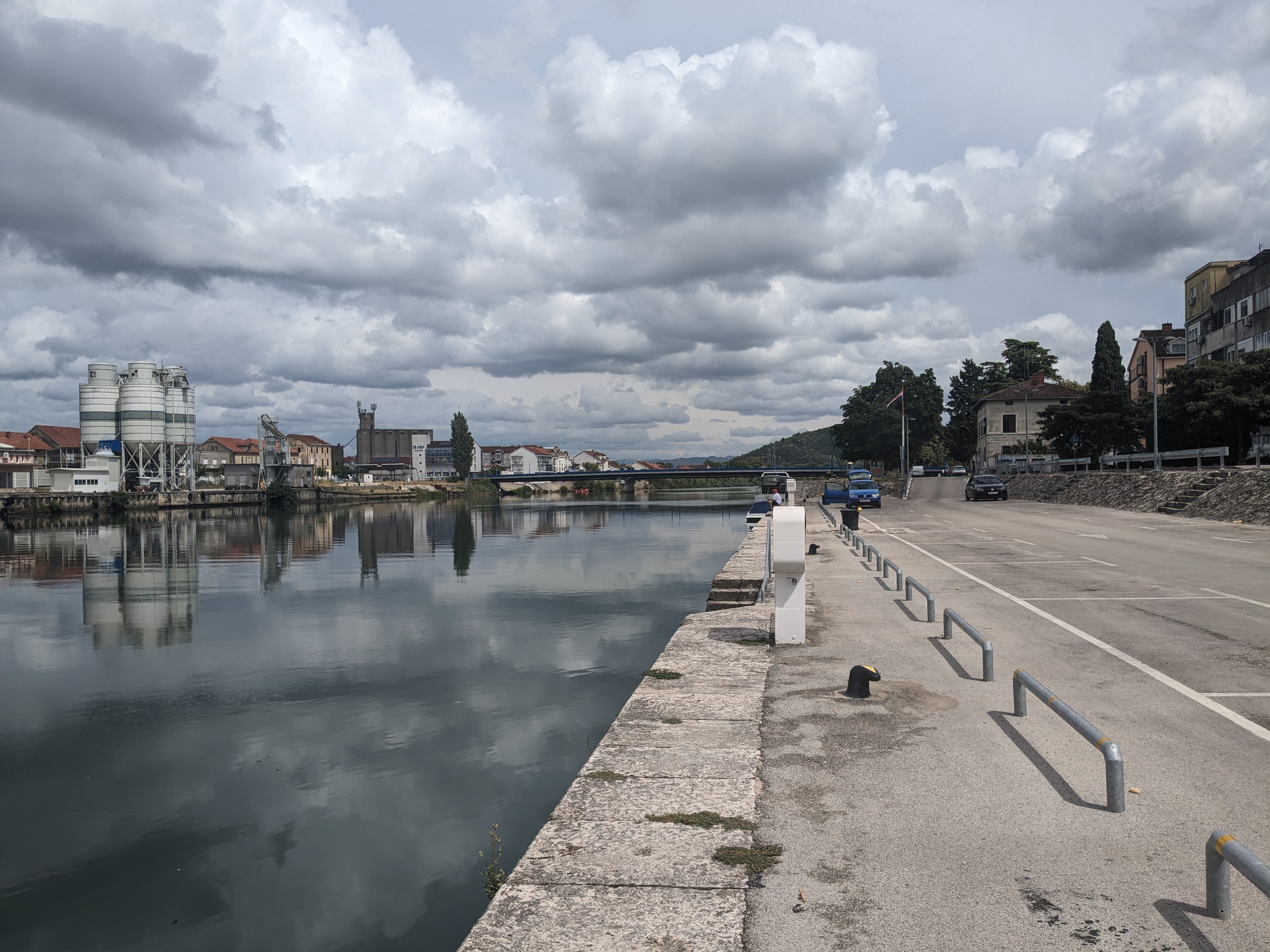
Pressing on, I continued to follow the Neretva River back into Croatia, reaching the town of Metkovic. I had been to this town previously in 2018 for a kayak race, but never had the chance to explore this region having spent most of the time by the river or in the hotel. Unlike my previous memory of the bustling town where athletes from all over Europe had come to compete, it now felt surprisingly tranquil, with a lack of activity.
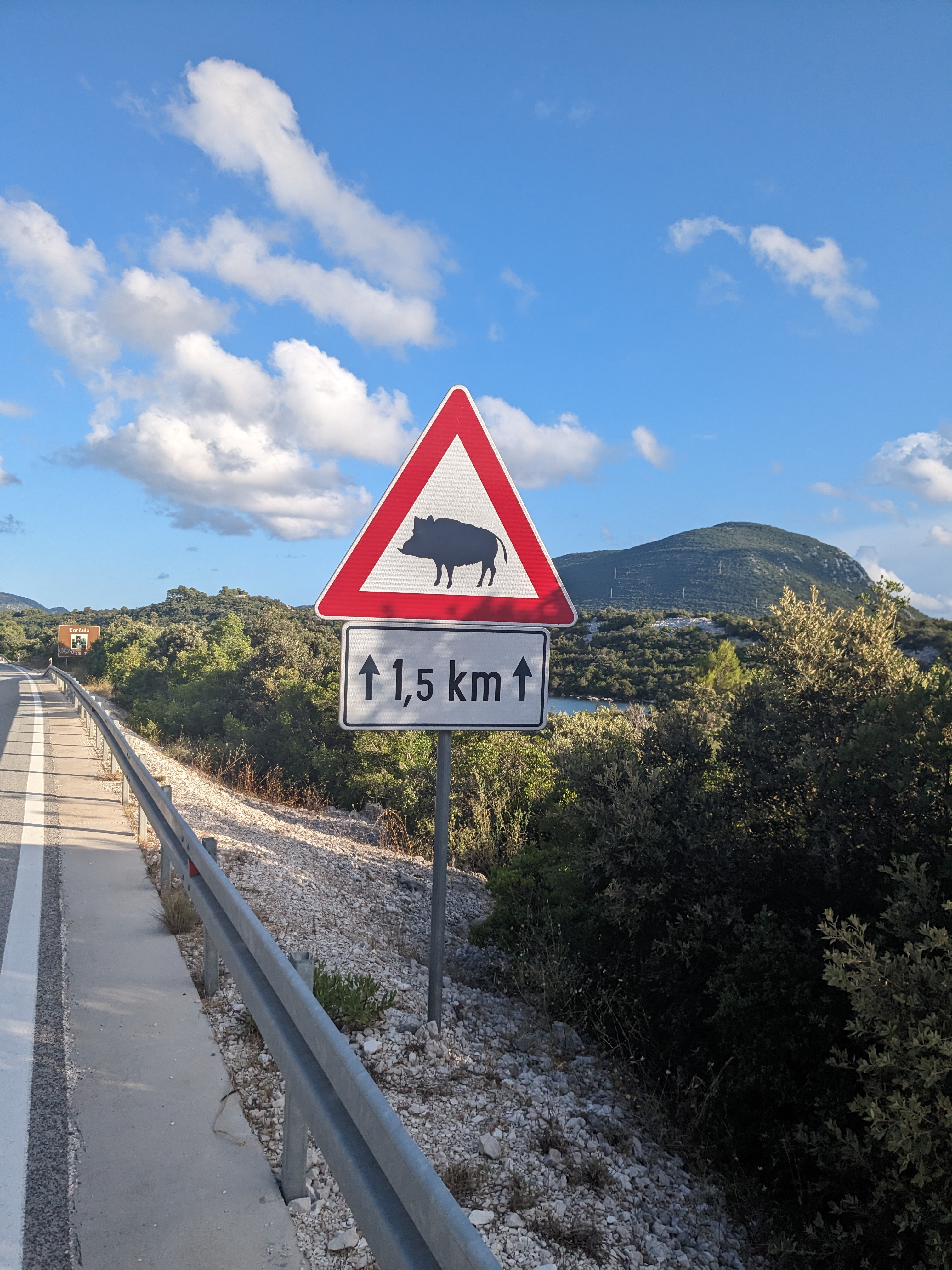
Heading south, I crossed into Bosnia and Herzegovina for 10km before reentering Croatia. I had hoped to cross the huge PeljeÅ¡ac Bridge which was only finished last year however, I discovered it was a motorway so unfortunately couldn’t and had to follow the old road which was now deserted. That night I found a picturesque spot to setup camp on a quiet mountain road.

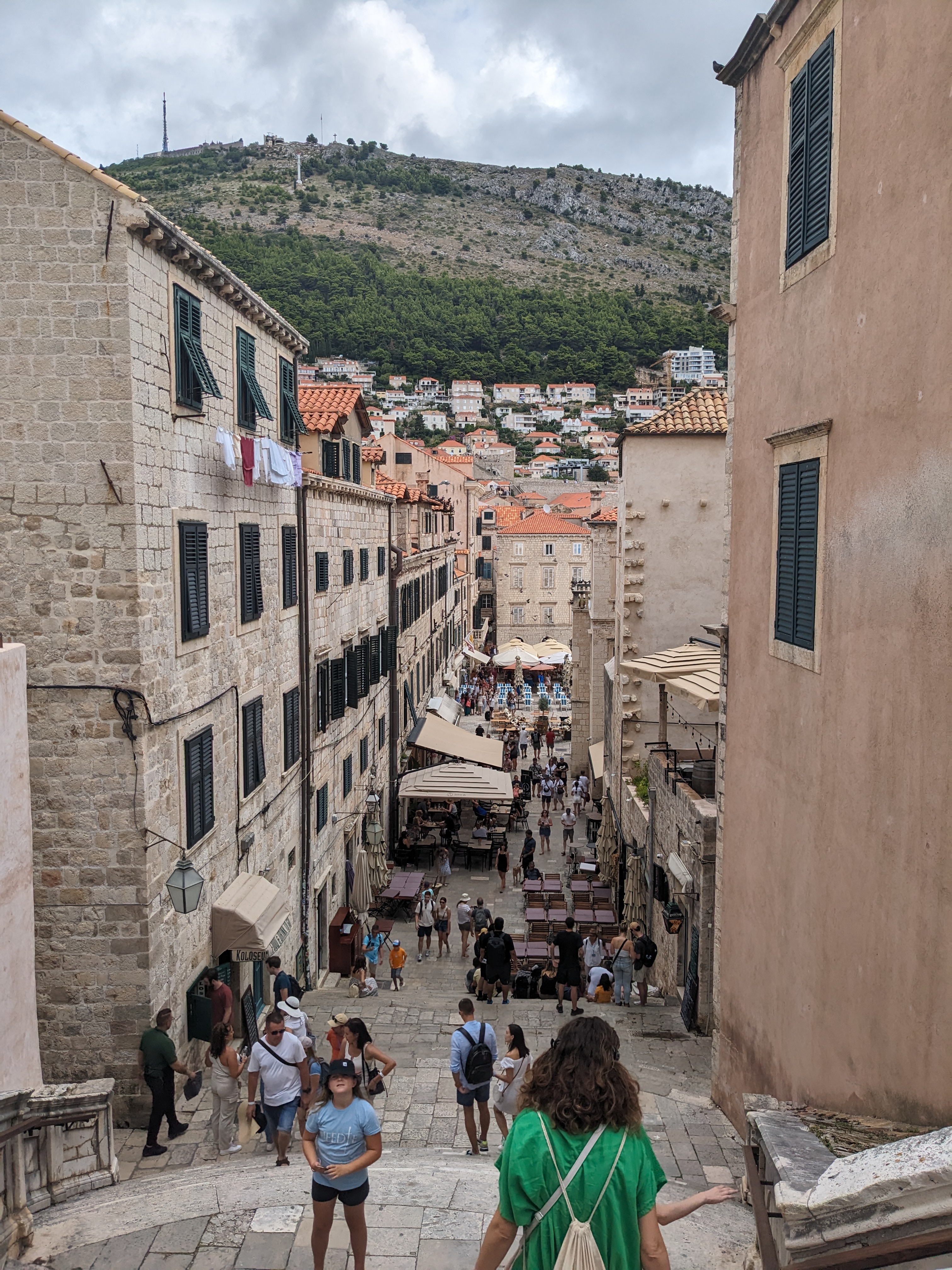
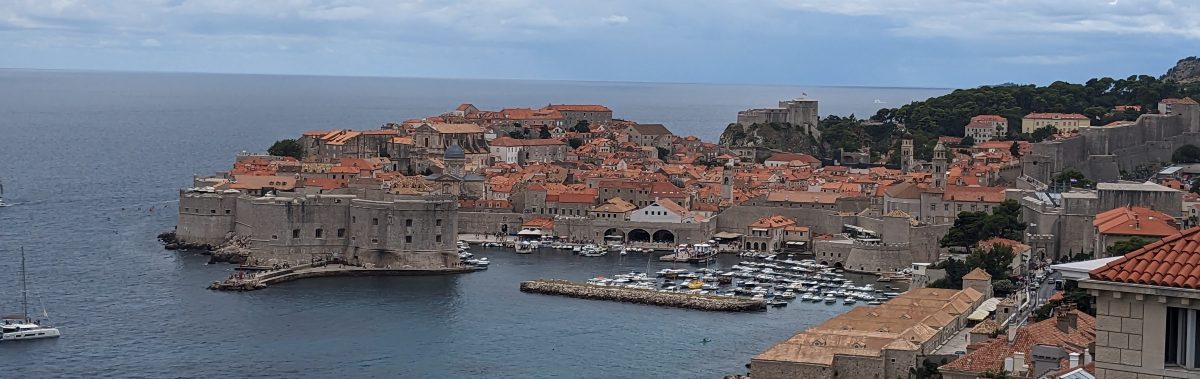
The following day was devoted to reaching Dubrovnik, a place that had long captured my curiosity. However, I couldn’t help but feel somewhat out of place as I wheeled my bike through the historic old town, clad in my dirtied cycling attire, attempting to navigate through the masses of tourists.
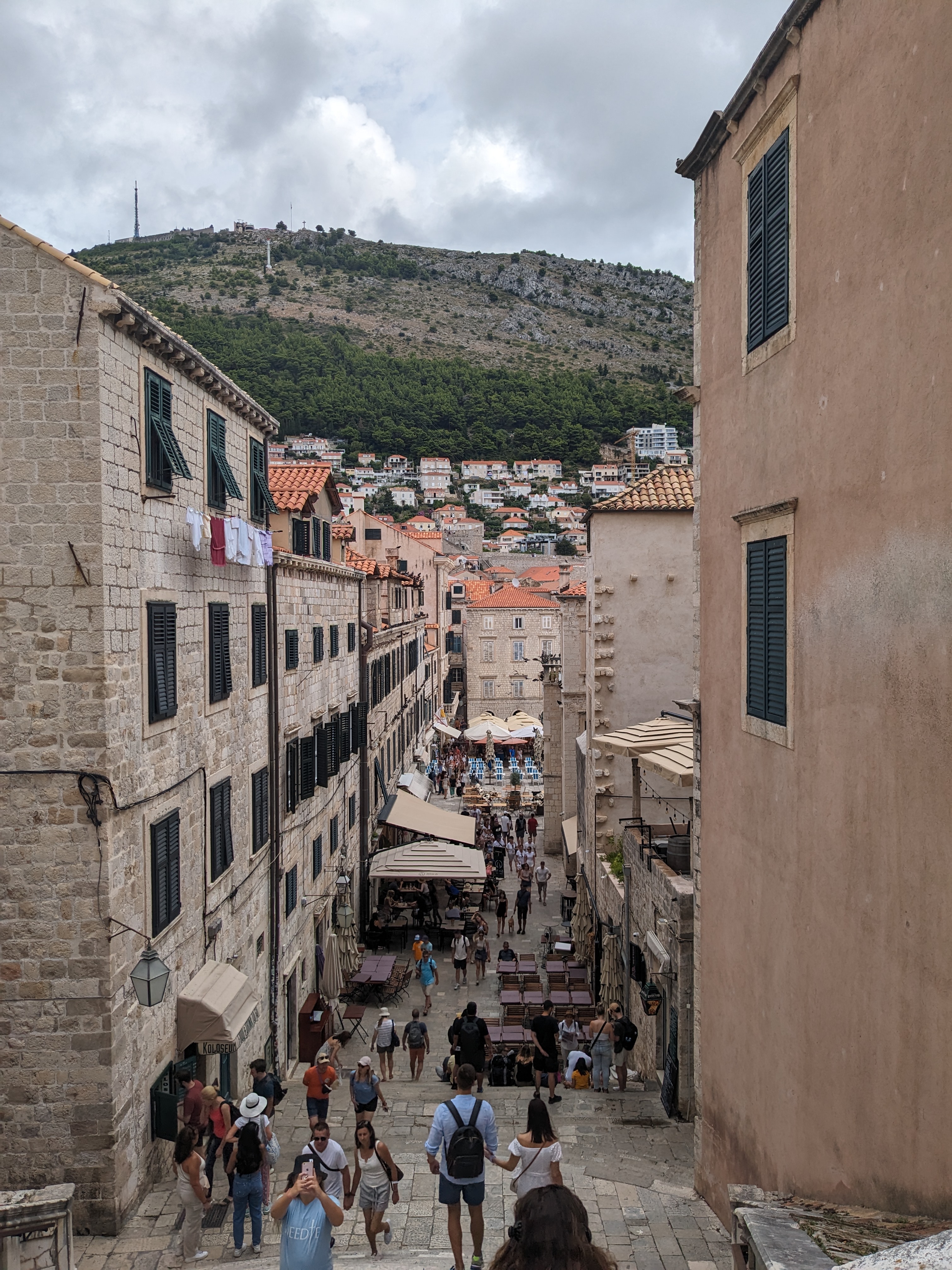
As I departed Dubrovnik, the rain begin again. After enduring about an hour of rain while waiting outside Lidl with lots of shoppers also sheltering from the downpour, I became bored and resolved to forge ahead and aimed for the Montenegro border. Arriving at the border, there was a long line of cars which I just cycled around before showing my passport and entering the country.

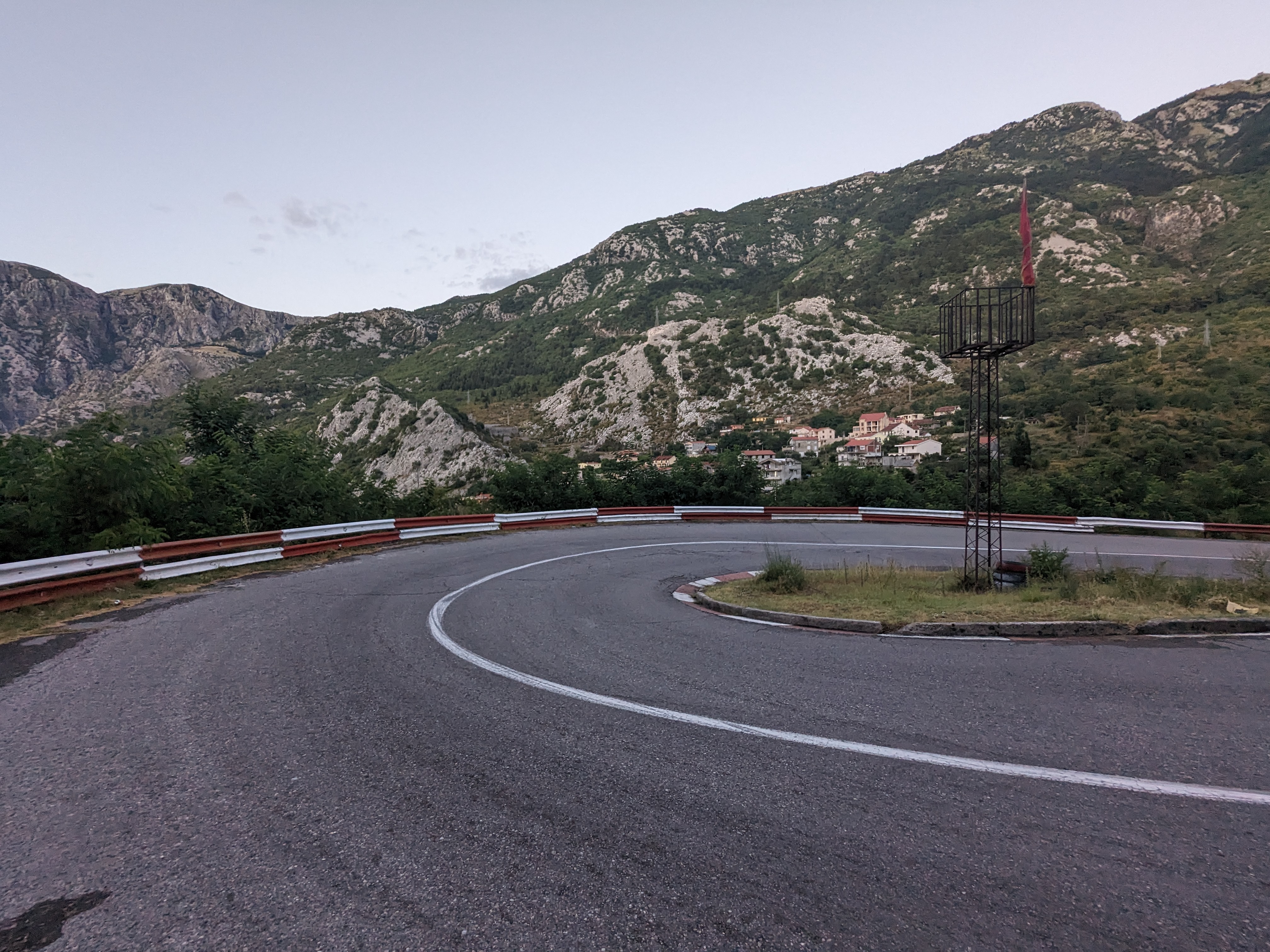
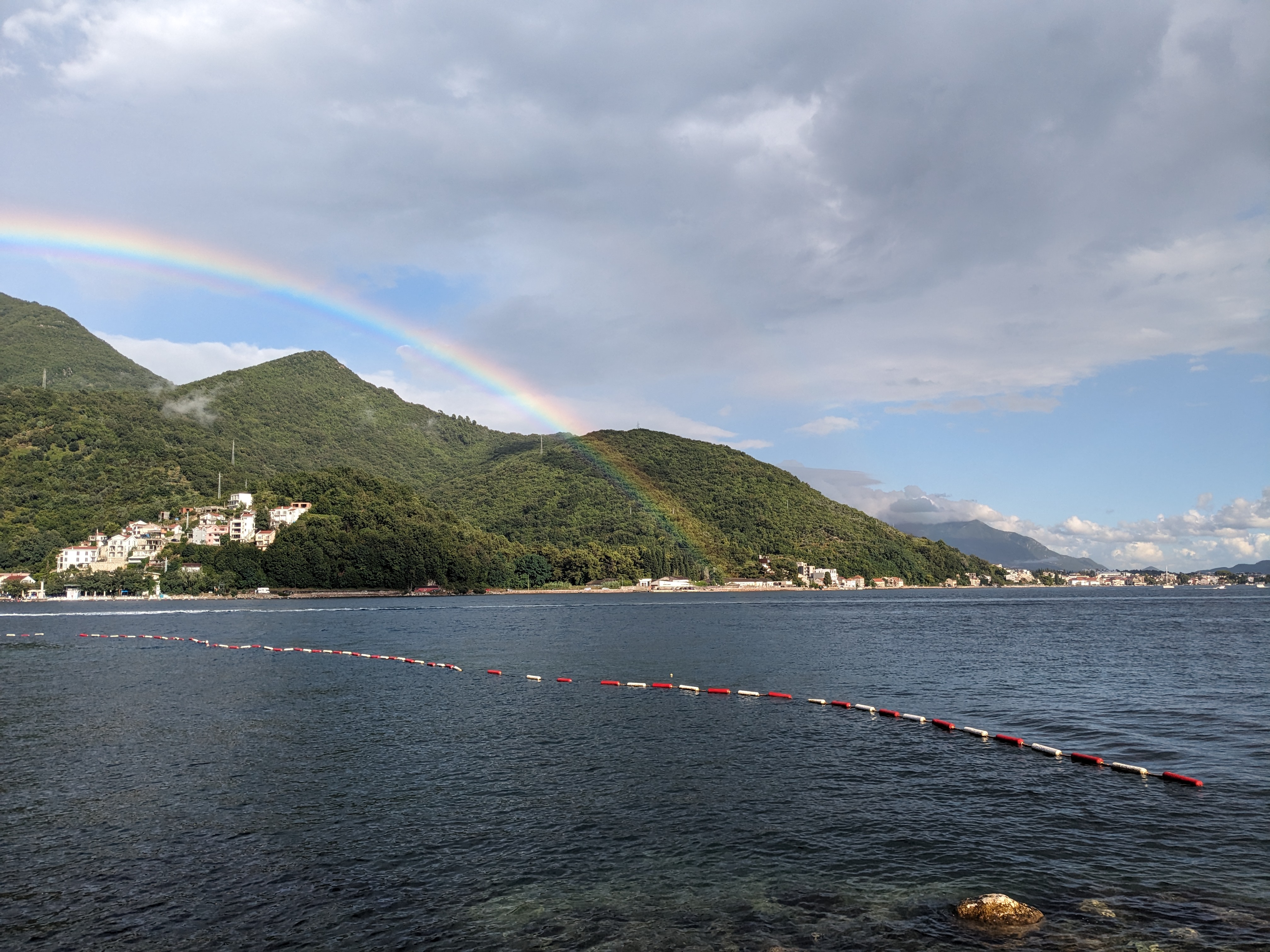
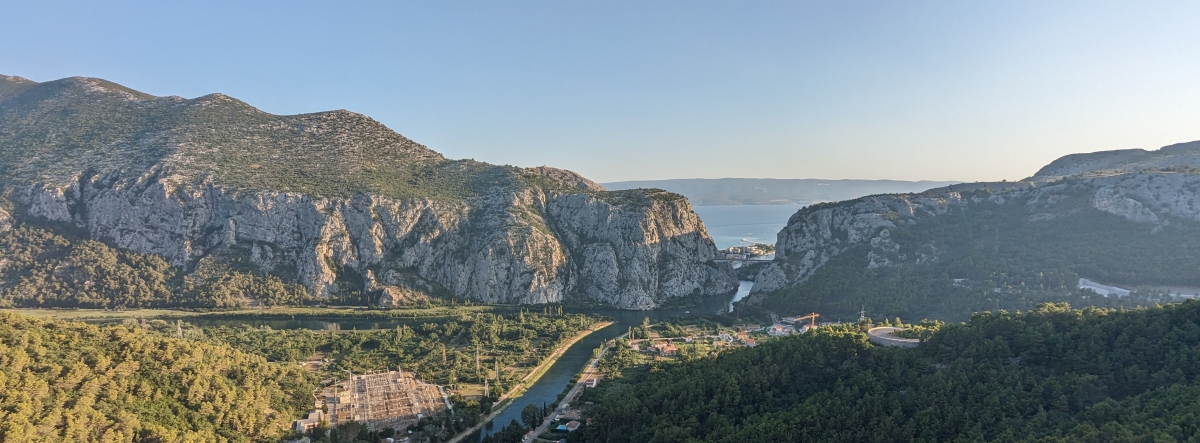
That evening once the rain finally ended I witnessed Montenegro’s beauty. After ascending a road that doubled as a hill climb track, I settled for the night at the local fly tipping spot!
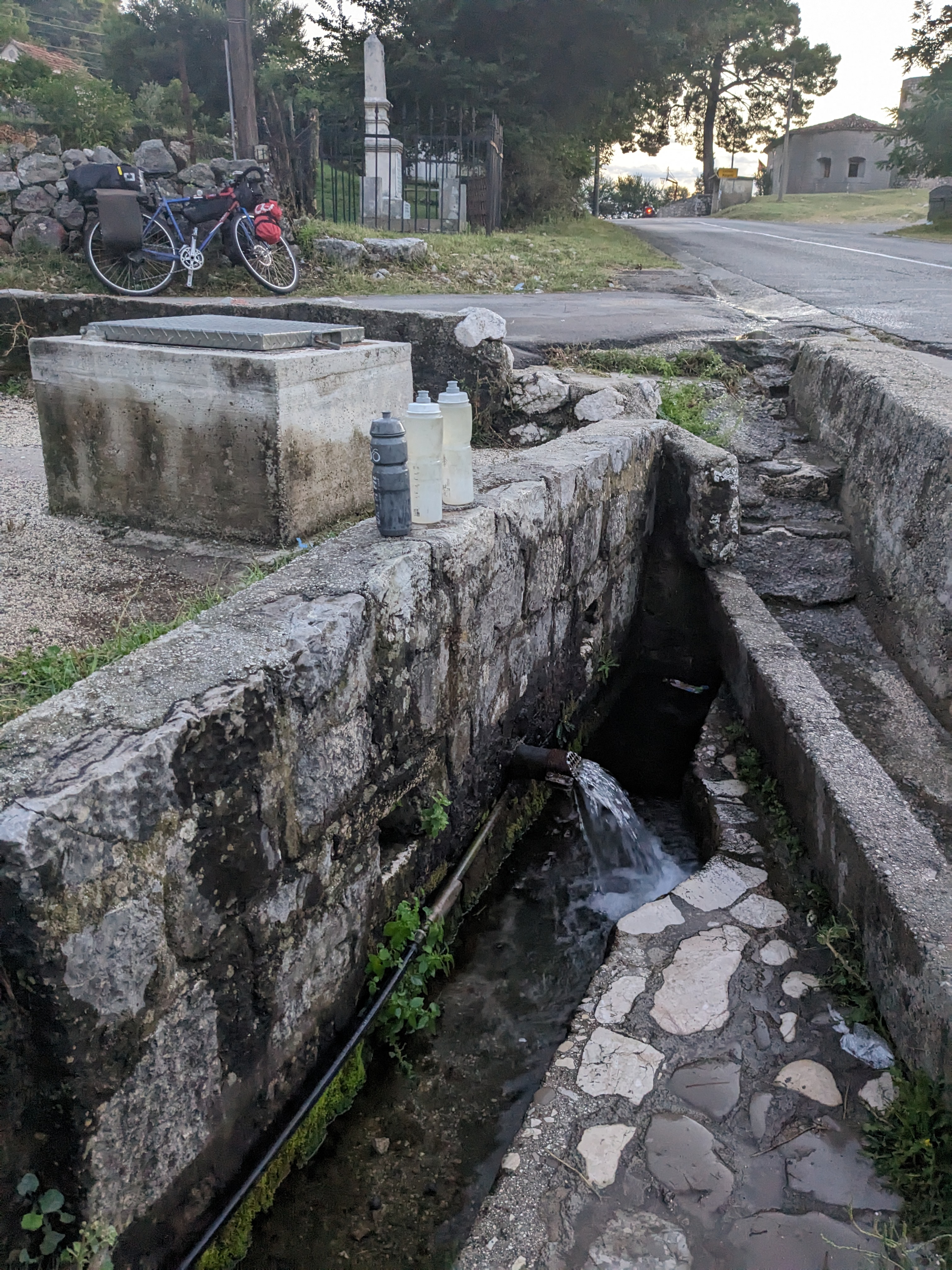
Given that I was now beyond the realms of the EU, I opted not to utilize my phone contract, which would have incurred a daily cost of £6.85. This decision introduced a degree of complexity in finding water sources compared to my previous routine. Now, my strategy involved aiming for churches or petrol stations and relying on the presence of taps or approaching locals for assistance. These methods occasionally led me to questionable water sources, such as an incident in Bosnia where a man drew a bucket of water from a well after lifting up what appeared to be a manhole cover, or relying on this pipe in Montenegro which a local assured me was “very good”.
The subsequent morning heralded even more rain. Determined, I charted a course for Albania along the coastline where I could see some blue sky in the distance.
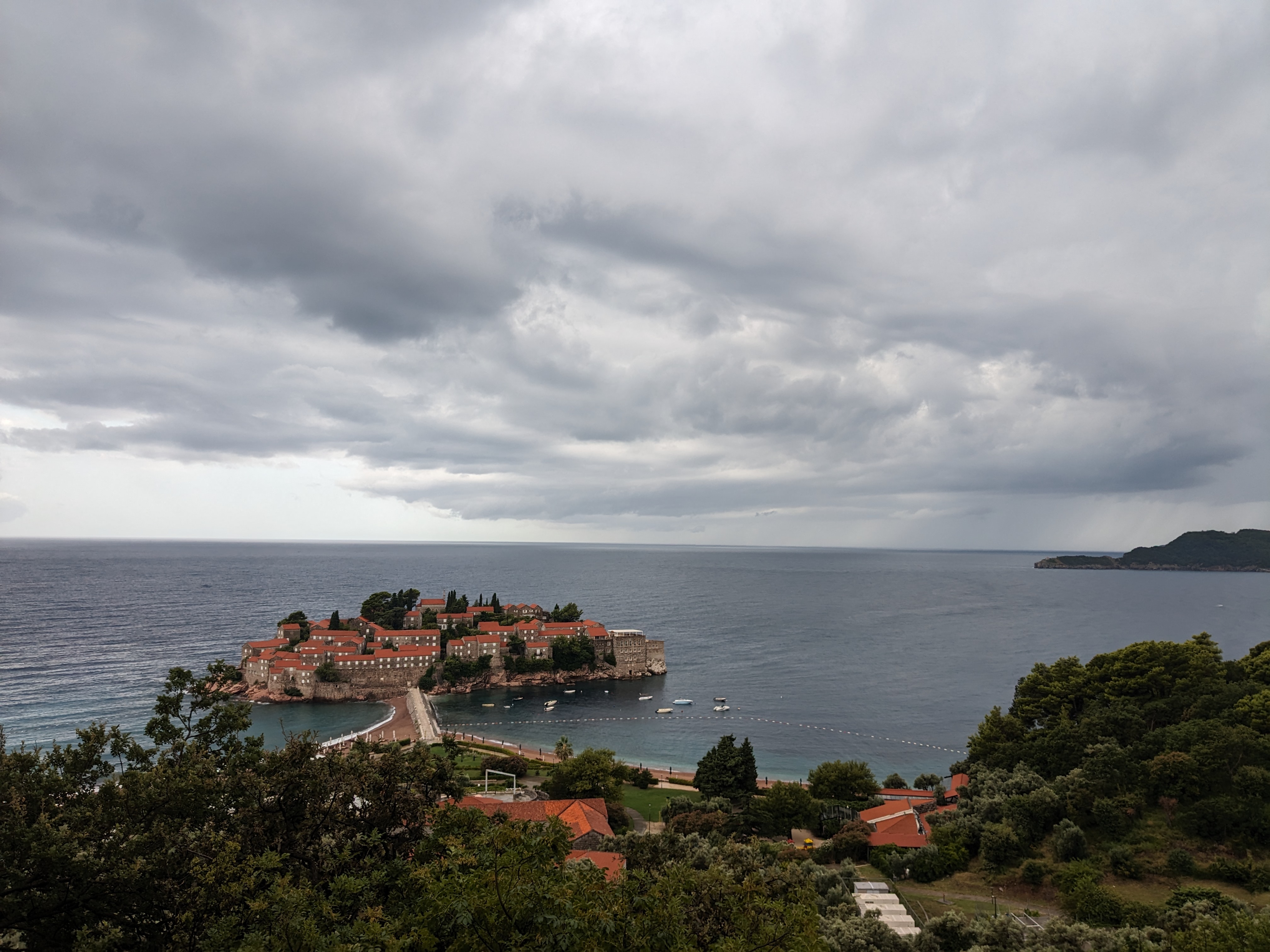
The last few days had proven arduous due to the incessant rainfall. Unfortunately, this hampered my exploration of Montenegro, as my primary focus had shifted to covering miles amidst the wet weather. The forecast, however, appears to be promising, hinting at a more favourable stretch ahead as I cross into my 12th country Albania.
Slovenia and Northern Croatia

Opting to skip Slovenia, I headed straight for Croatia. This led me to cycle 14 km through a deserted forest road, stopping only once for water. I decided to save Slovenia for another trip; fellow travelers who’ve cycled through there extol its beauty. However, I wanted to continue along the coast and didn’t fancy the Slovenian mountains!

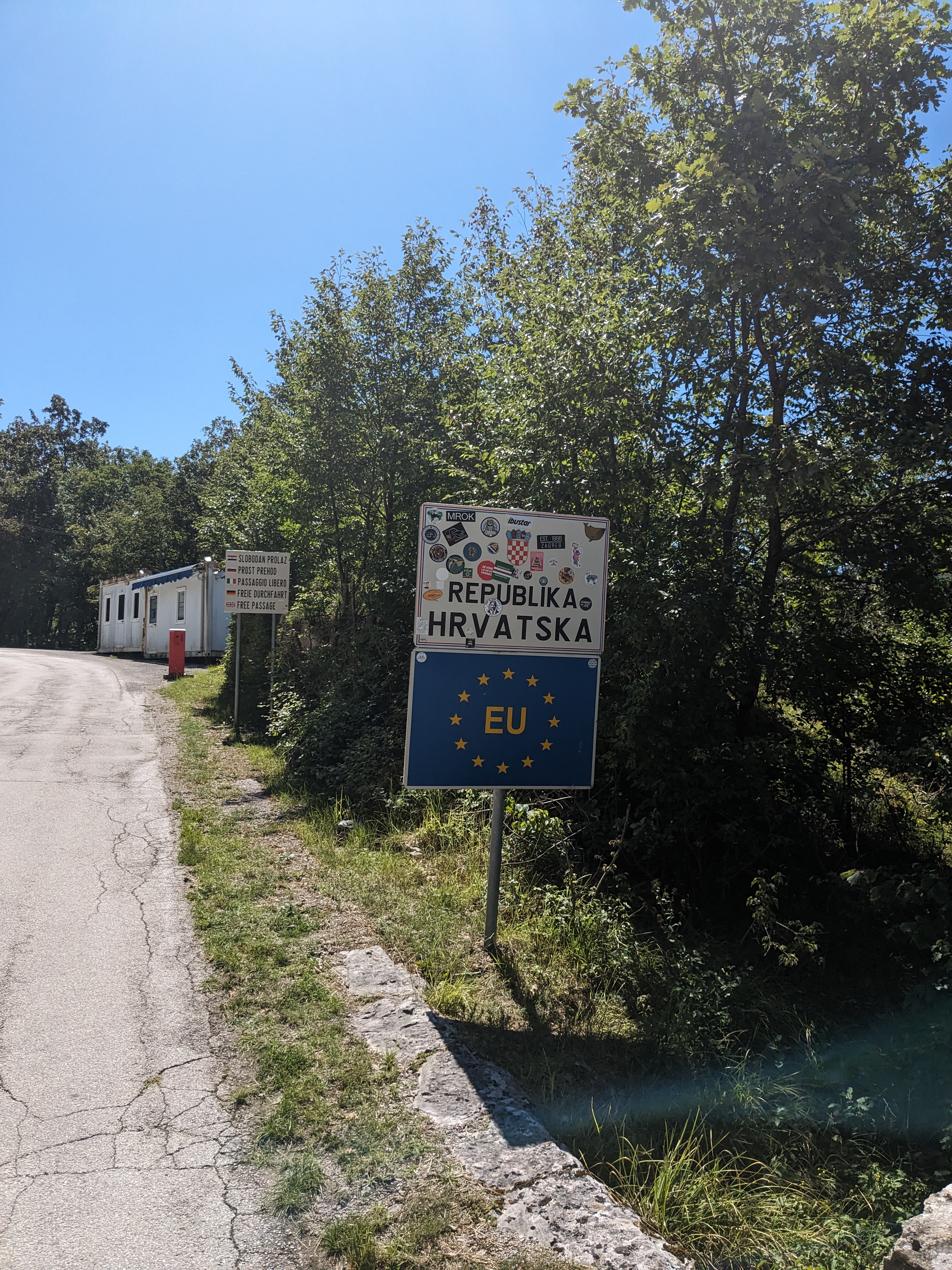
The border crossing from Slovenia to Croatia was deserted. Where once there was clearly a barbed wire fence and multiple checkpoints, now just empty buildings since Croatia joined the Schengen Zone in 2023.

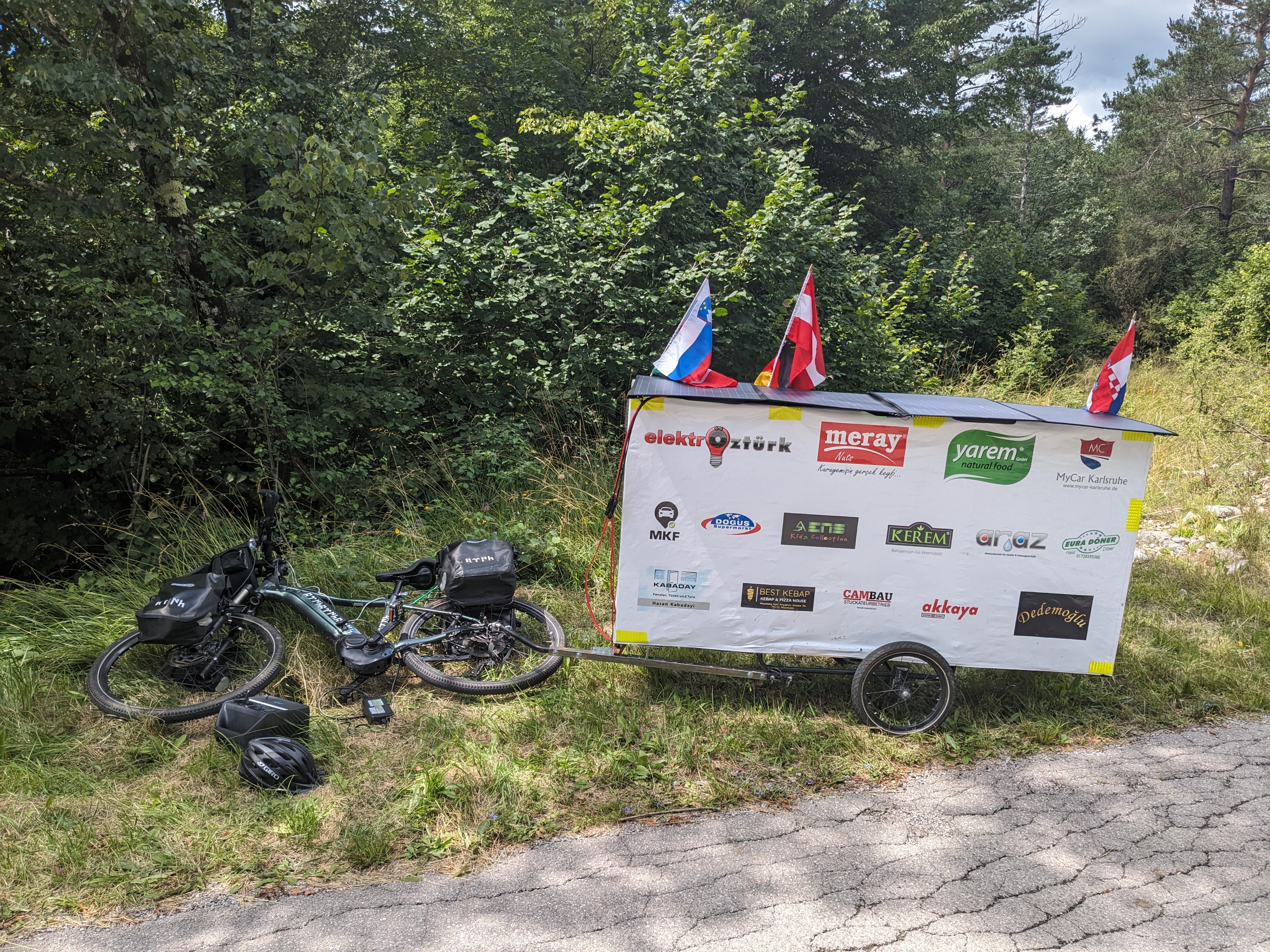
Croatia is a very popular country for cycle tourists, evidenced within my first 10 km in the country. There, I encountered Burak, a Turkish cyclist pedaling from Germany to Istanbul. His electric bike towed a self-designed “caravan” , a sight to behold. He was an intriguing character who might have convinced me to continue past Istanbul and further into Turkey. In just two weeks, he’d garnered 20,000 Instagram followers through documenting his trip. As we parted ways, he let me sign his caravan and promised to give me a shout out on Instagram.

Wild camping is prohibited in Croatia, and I’ve been told the police patrol the costal areas to search for people. Therefore, I camped away from the coast in the mountainous regions each night, where vast forests blanketed most of the land.

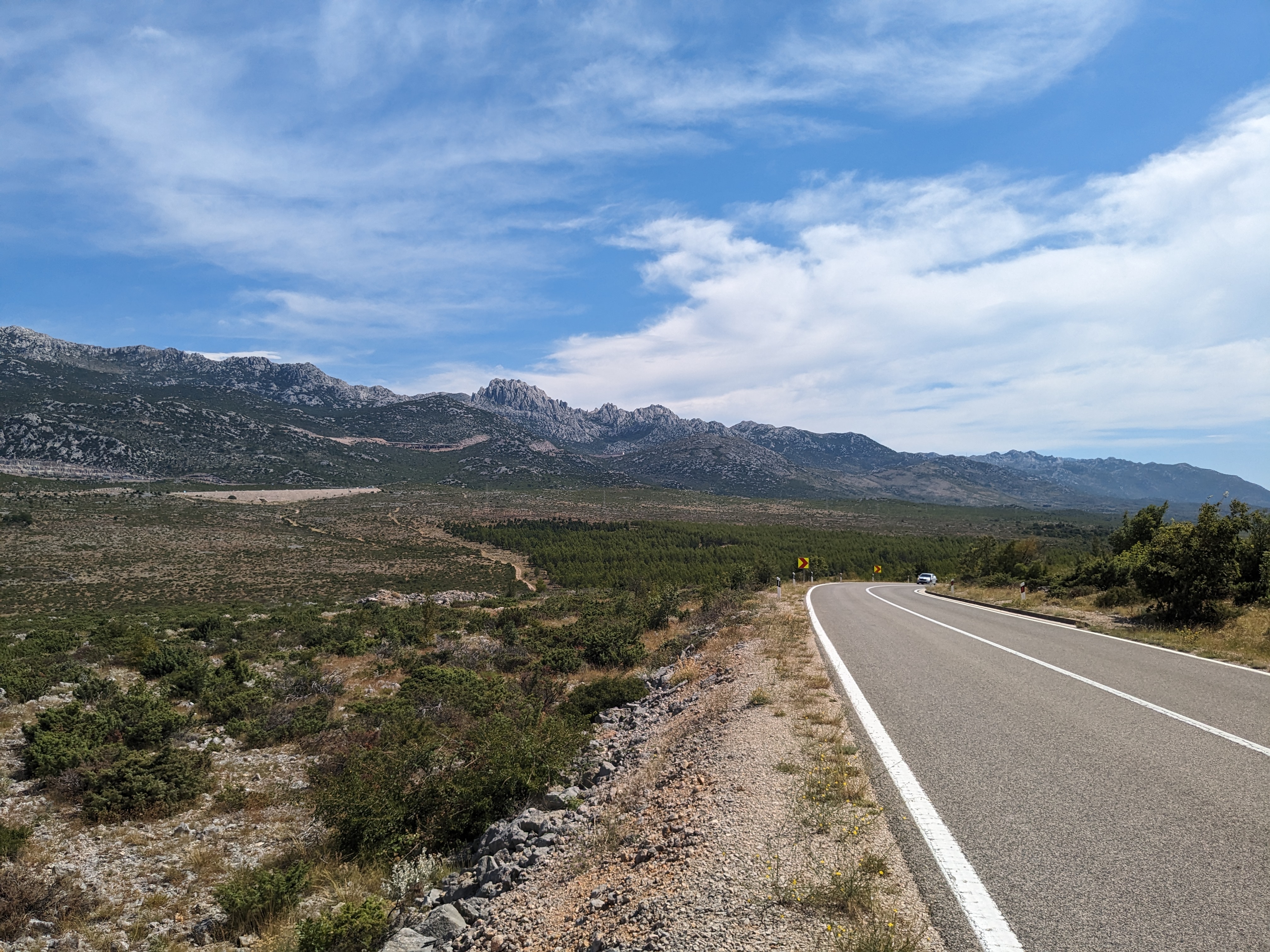
The geography of Croatia makes it a challenge to cycle through, with little flat land by the coast. This means that wherever you want to go, you either have to take the busy main road with aggressive drivers who give you no space and attempt risky overtakes, or head up into the mountains.

On my second day in the country, I decided to head over the mountains and inland to cover some distance. It was amazing how quiet the country became once I left the very touristy areas. I found a beautiful spot by a lake to have dinner that evening before heading into some woods to camp for the night.

On day 3, I cycled on some beautiful roads with brilliant descents in the direction of Zadar. I spent a long time that day trying to find fuel for my stove searching many hardwear shops, and eventually found 70% alcohol in a pharmacy to use.

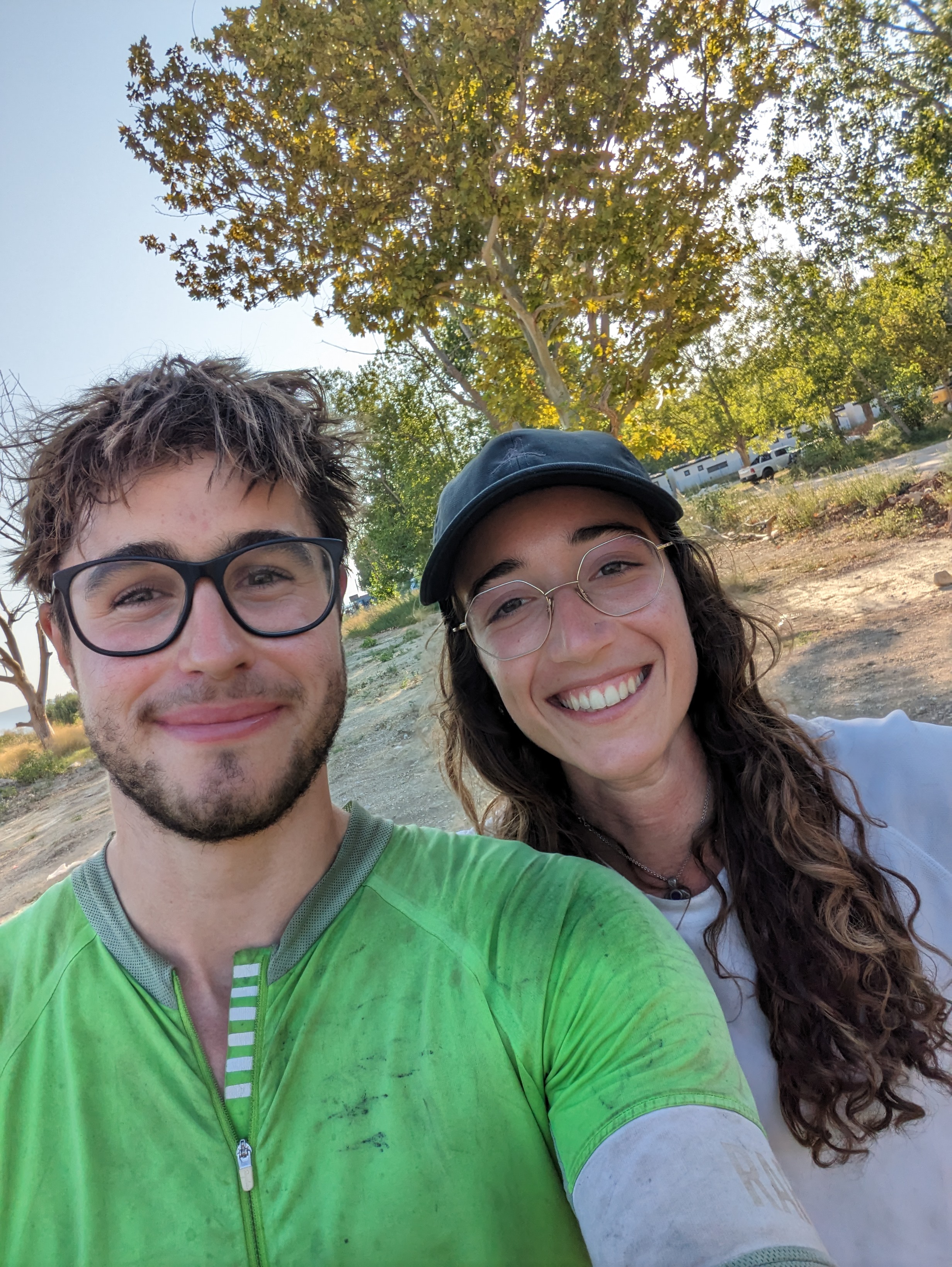
The following day, as I headed to Zadar, I met up with Leila, who was cycling to Istanbul from her home in Austria. We had first met a few days ago at a supermarket, and after she had finished cycling the Croatian islands, we agreed to meet up and travel together. It was really nice to share this amazing country with someone else.
That evening, we decided to camp up a hill in a forest but stopped at a beach to have dinner and a swim. As I was getting my cooker out, a man asked us, “Are you camping here tonight?” After explaining that we were just eating then going to leave, he began to question us about why we weren’t camping in this beautiful spot, telling us we’d be fine. This man was Jimmy, a 60-year-old man from Manchester who retired at 49 and spends every summer living in an RV in Croatia. That evening, he generously kept coming over to us with beers and we had a trouble free night not even bothering with our tents.

The next day was scorching hot. Leila and I cycled along the coast together, with Leila handling the navigation, which was a nice break from thinking about it myself. That afternoon, after having ice cream and beer, Leila and I parted ways. I decided to head inland towards Bosnia and Herzegovina, while she continued along the coast.

Heading for the border, I stoped at a cafe to do some admin and charge up my electronics. This is where I met Ivan, who kindly paid for my coffee because he felt sorry for me due to all the times Croatia had beaten England at football!

Croatia has felt more like a holiday than an adventure. It’s been a beautiful country and very easy to travel through, with most people speaking at least a bit of English. I’m looking forward to retuning in a few days but wanted to experience Bosnia and Herzegovina first.

Italy

Last summer, I completed a cycling journey from Naples to Tuscany, which gave me a glimpse of what to expect while cycling through Italy. As I planned my return, one thing I was eagerly looking forward to was the delectable Italian cuisine.

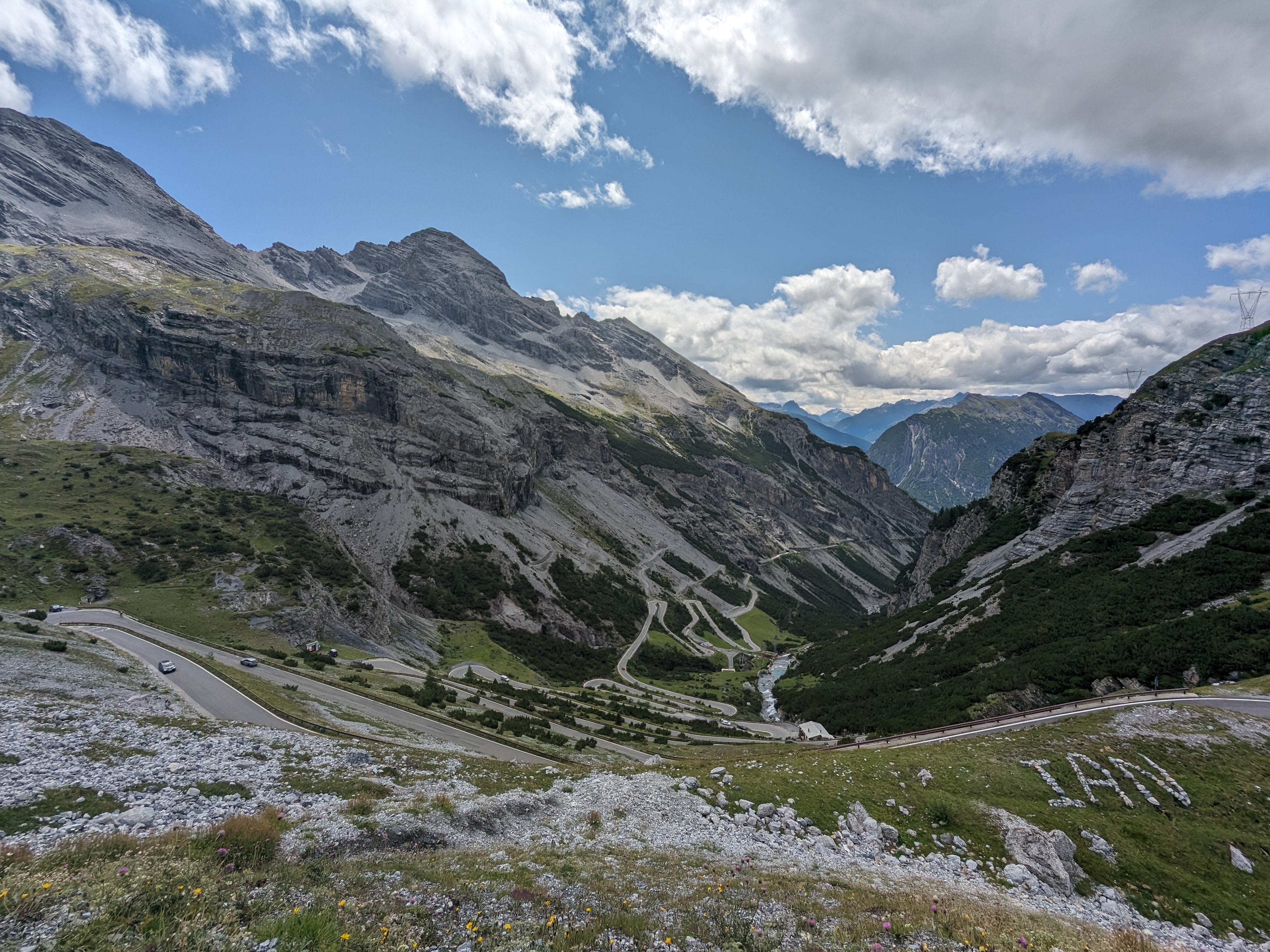
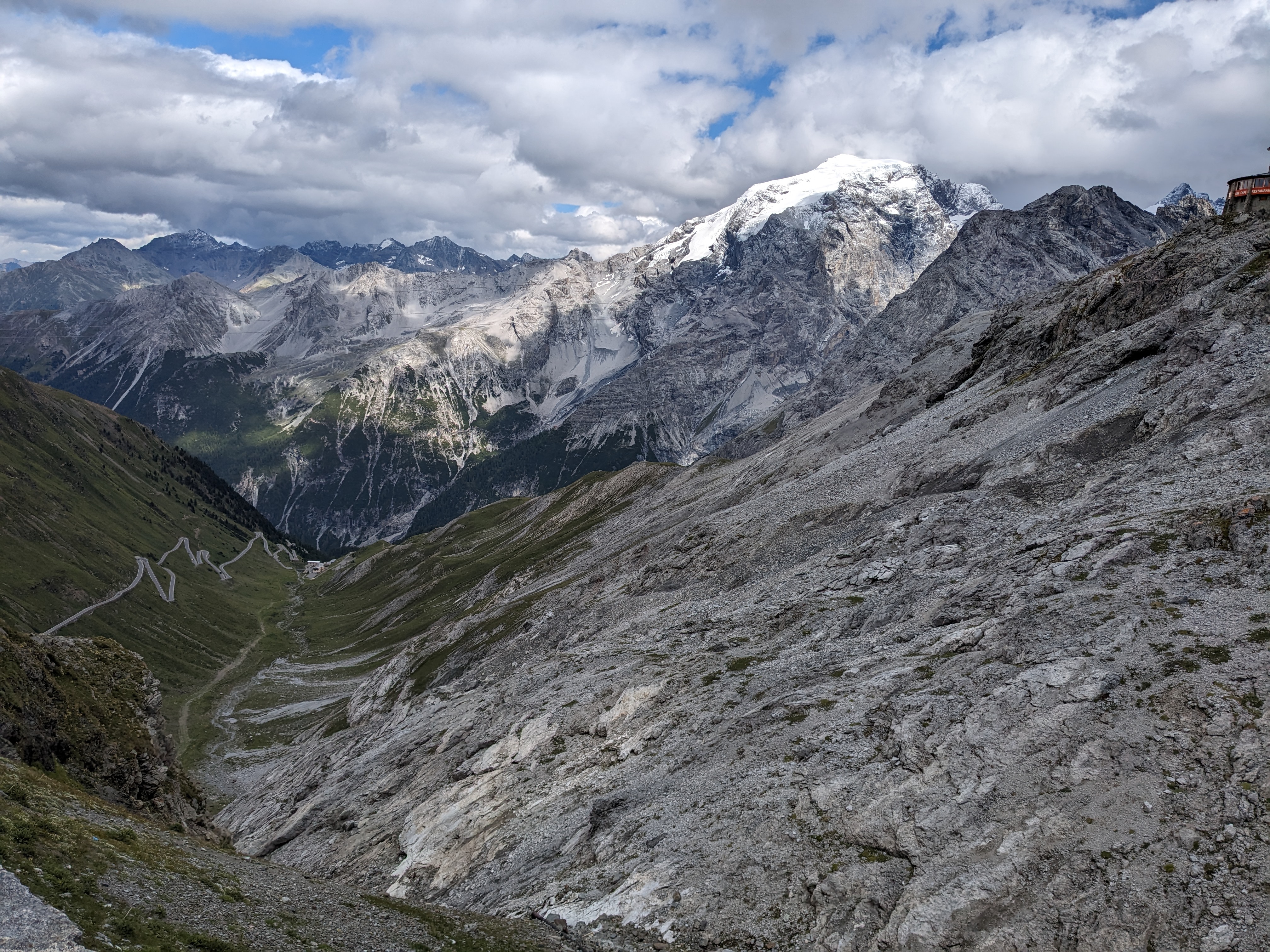
A significant part of my adventure involved conquering one of the legendary climbs in the Alps – the Passo dello Stelvio. Spanning 21.3 km, this climb boasts an average gradient of 7.1% and features 27 hairpin bends on the way up and 48 on the way down.

Despite the challenges, I persevered and completed the ascent in 3 hours, rewarded with an awe-inspiring view from the top and an exhilarating descent of over 2000m elevation loss for the rest of the day. The struggle of hauling my bike to the top was well worth the experience.

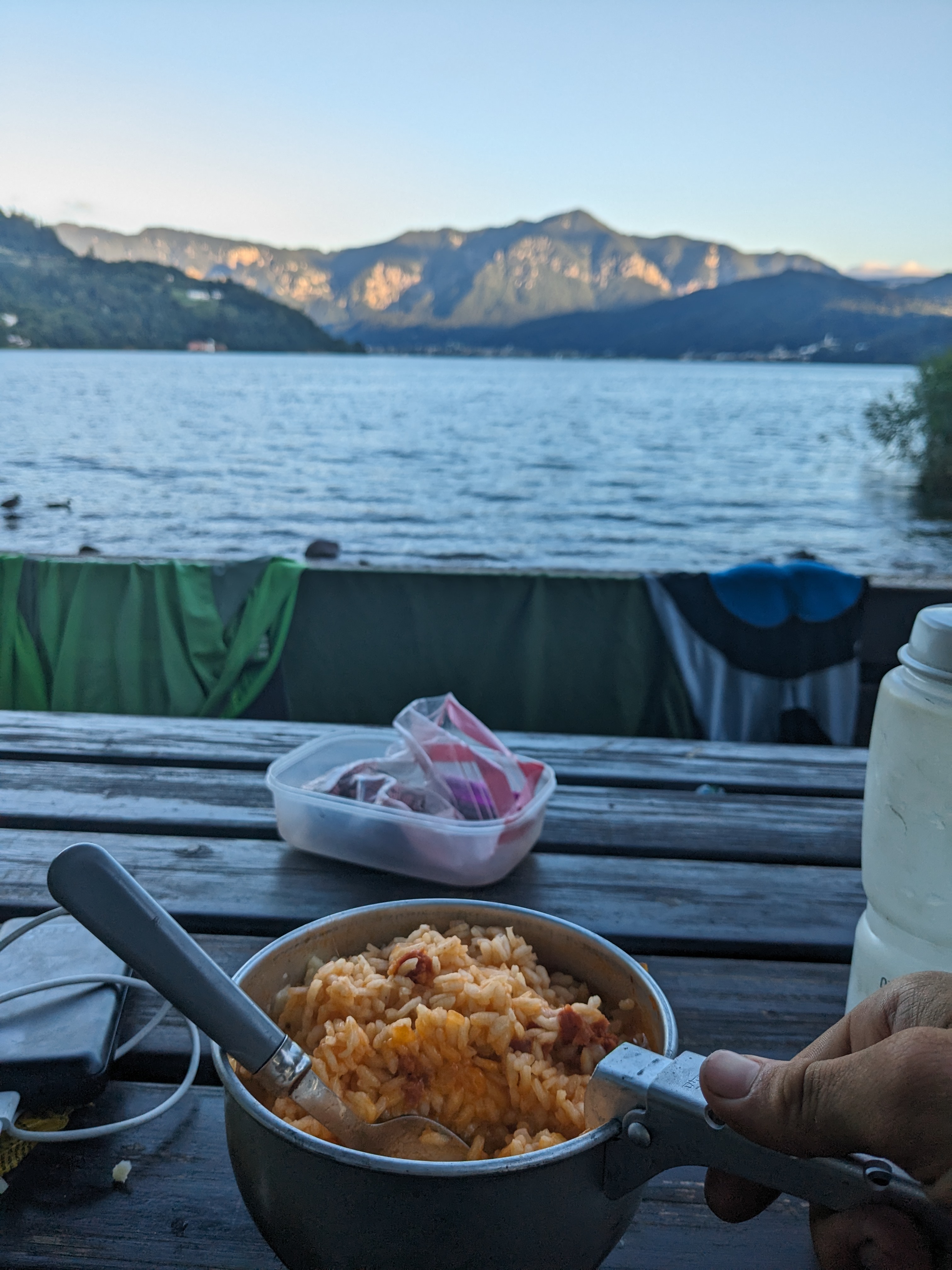
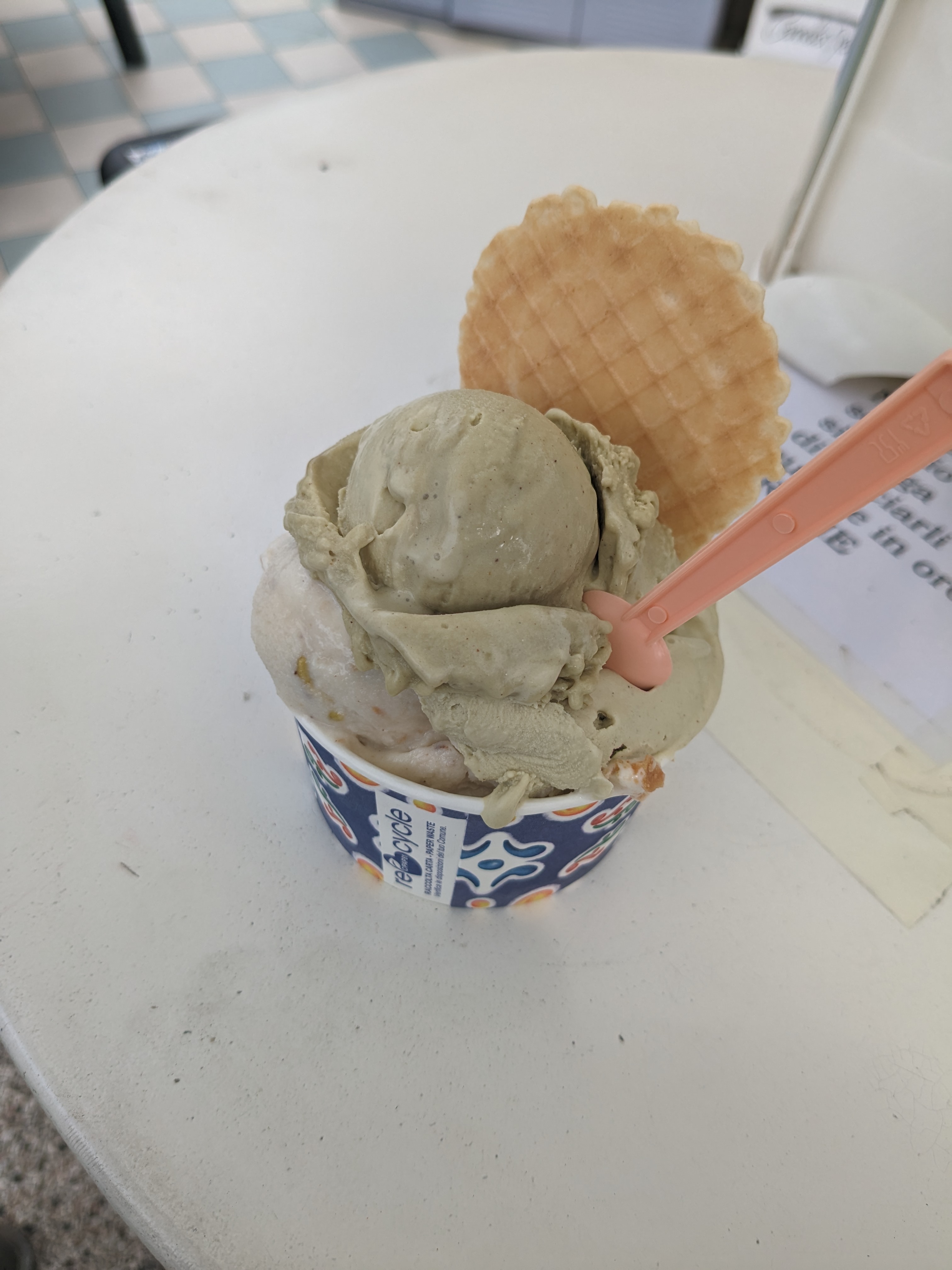
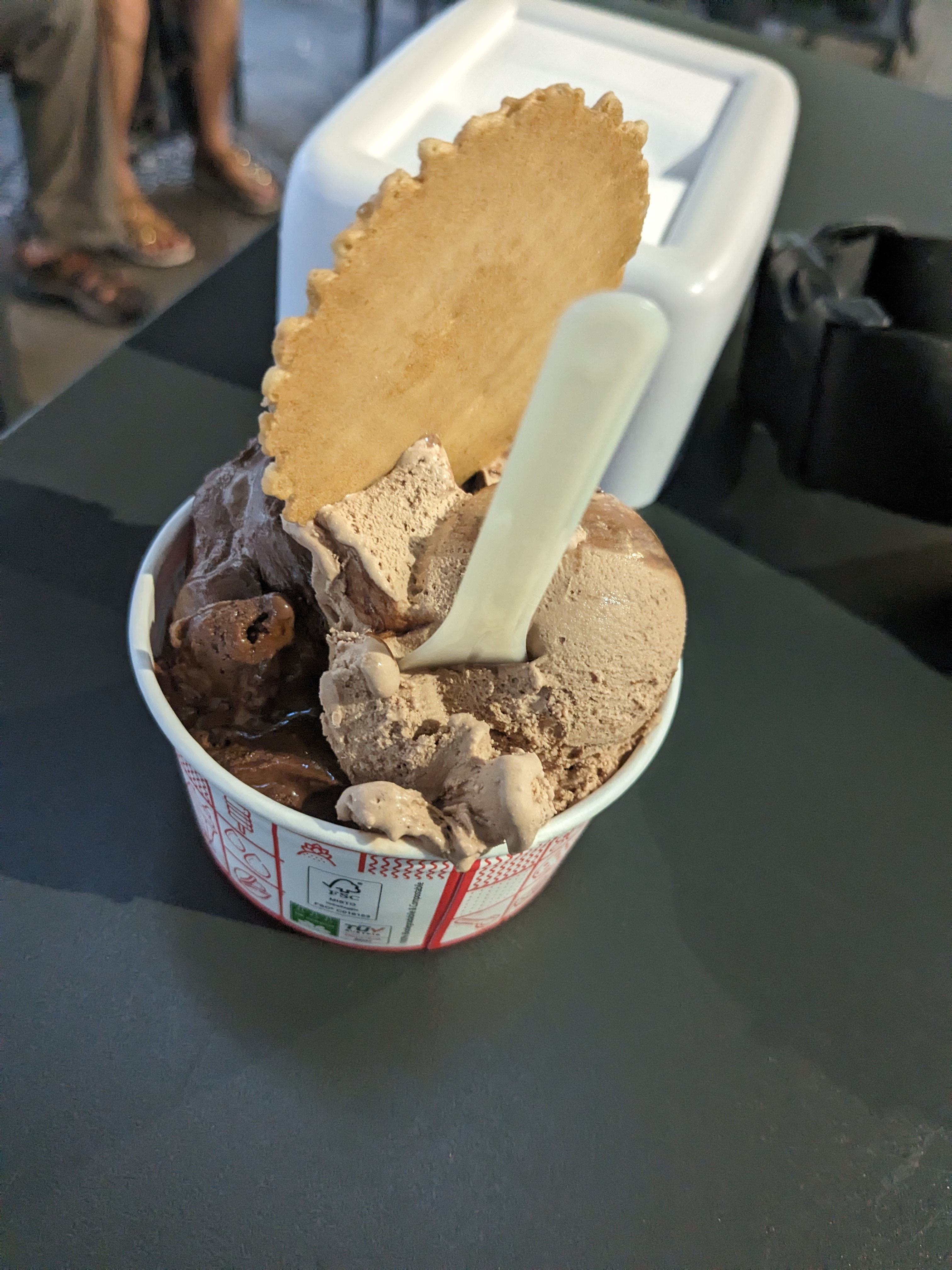
Continuing my journey through Italy, I decided to stick to flat terrains and cover around 140km a day. This allowed me guilt-free indulgence in the country’s delectable foods – family-sized tiramisu, pizzas, gelato, an array of hams, cheeses, and my own rendition of risotto (though the Italians might not call it that!).

Heading south out of the Alps and then the Dolomites, I primarily stuck to the main roads to cover more ground with ease. Finding suitable places to camp proved surprisingly easy, and one memorable night I settled at Magredi del Cellina – a dried-up riverbed surrounded by vast grasslands.

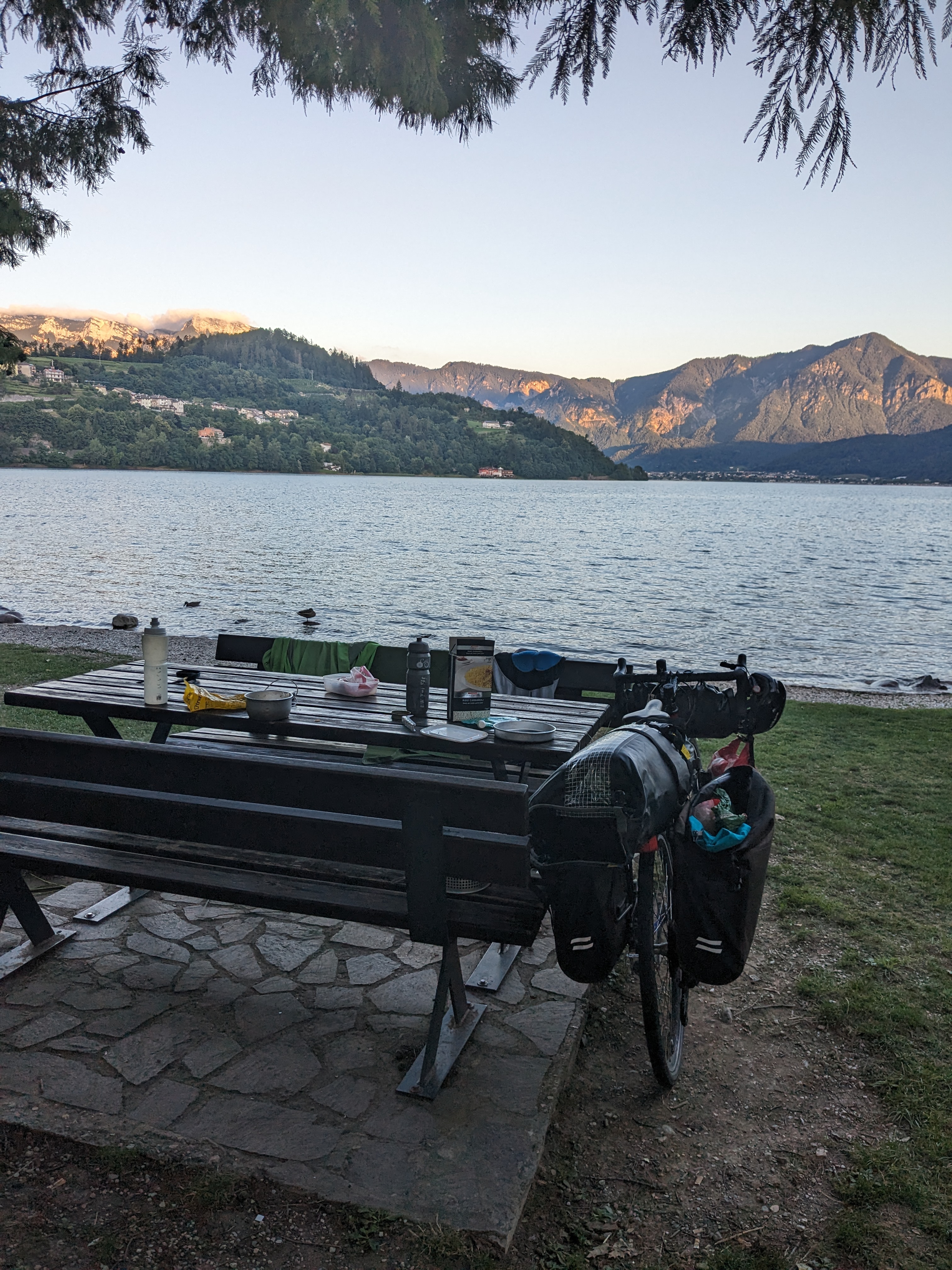
I also had the pleasure of swimming/having a wash in the refreshing waters of Lago di Caldonazzo, a fantastic lake and park equipped with toilets, showers, and free electric sockets (designed for e-bike charging).

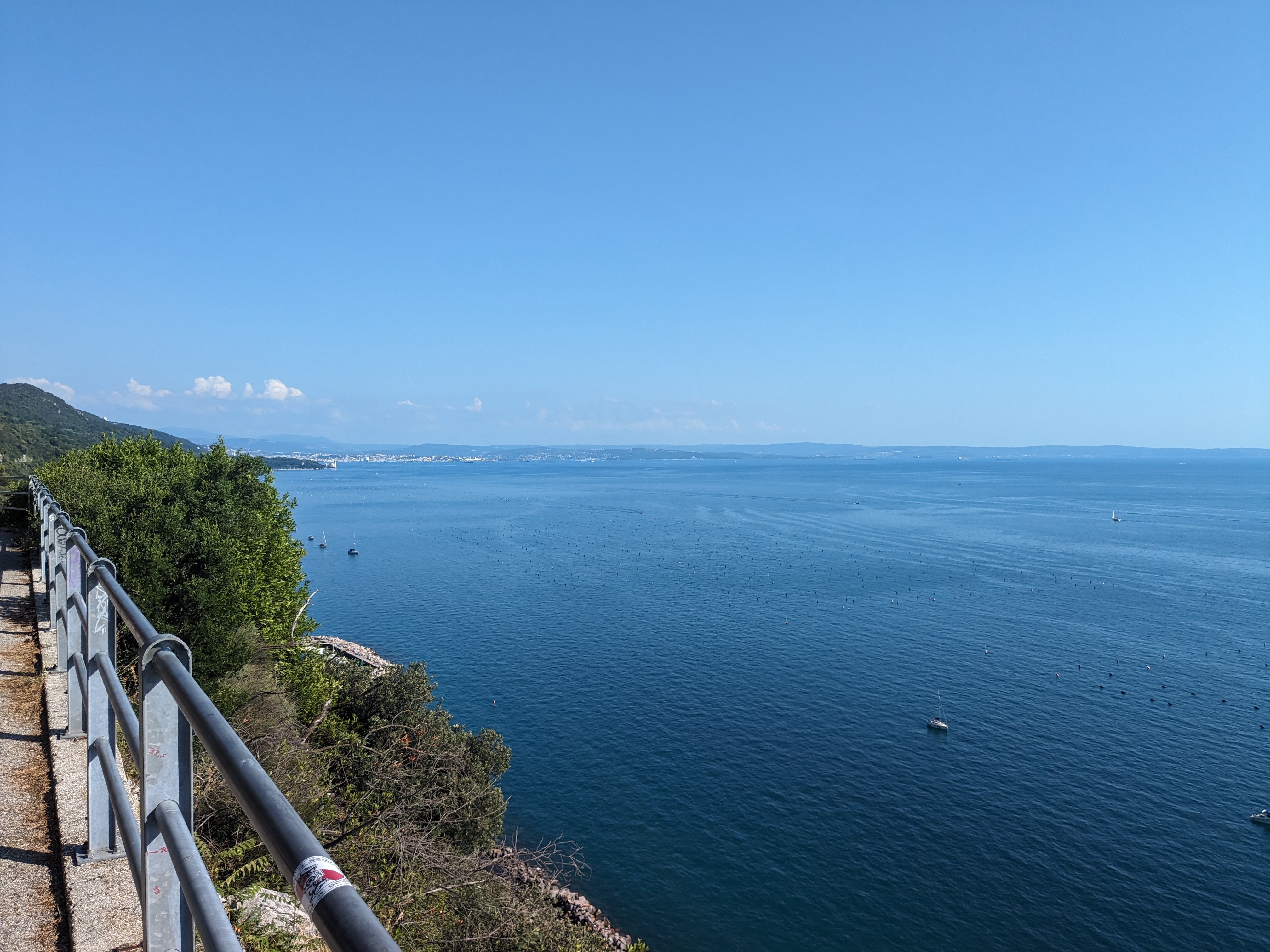
On my fourth and final day in Italy, I reached the Adriatic Sea, where a much-needed swim awaited after a scorching day of cycling.

The weather had considerably warmed up since crossing the Alps, and I hadn’t needed my outer layer for my tent – until a sudden thunderstorm at 2 am on the final night, that is!

Exploring a different region of Italy that I hadn’t visited before has been an enriching experience and there’s still so much of the country I’ve yet to explore. I’m looking forward to the next part of my journey mostly following the coast down the Adriatic Sea.

Switzerland

Before embarking on this trip, my encounters with Switzerland had been brief. I’d visited twice before: once landing at Geneva airport before heading straight for the French border and also driving there last year but only stay for 4 hours before heading home!

Switzerland’s strict laws on wild camping made me a bit more paranoid than usual, knowing that a fine of 1000CHF (£900) could be levied if caught. However unlikely this is to actually be enforced, it was always on the back of my mind. Furthermore, with limited flat land due to farms and urban areas, finding suitable camping spots became more challenging than in France.

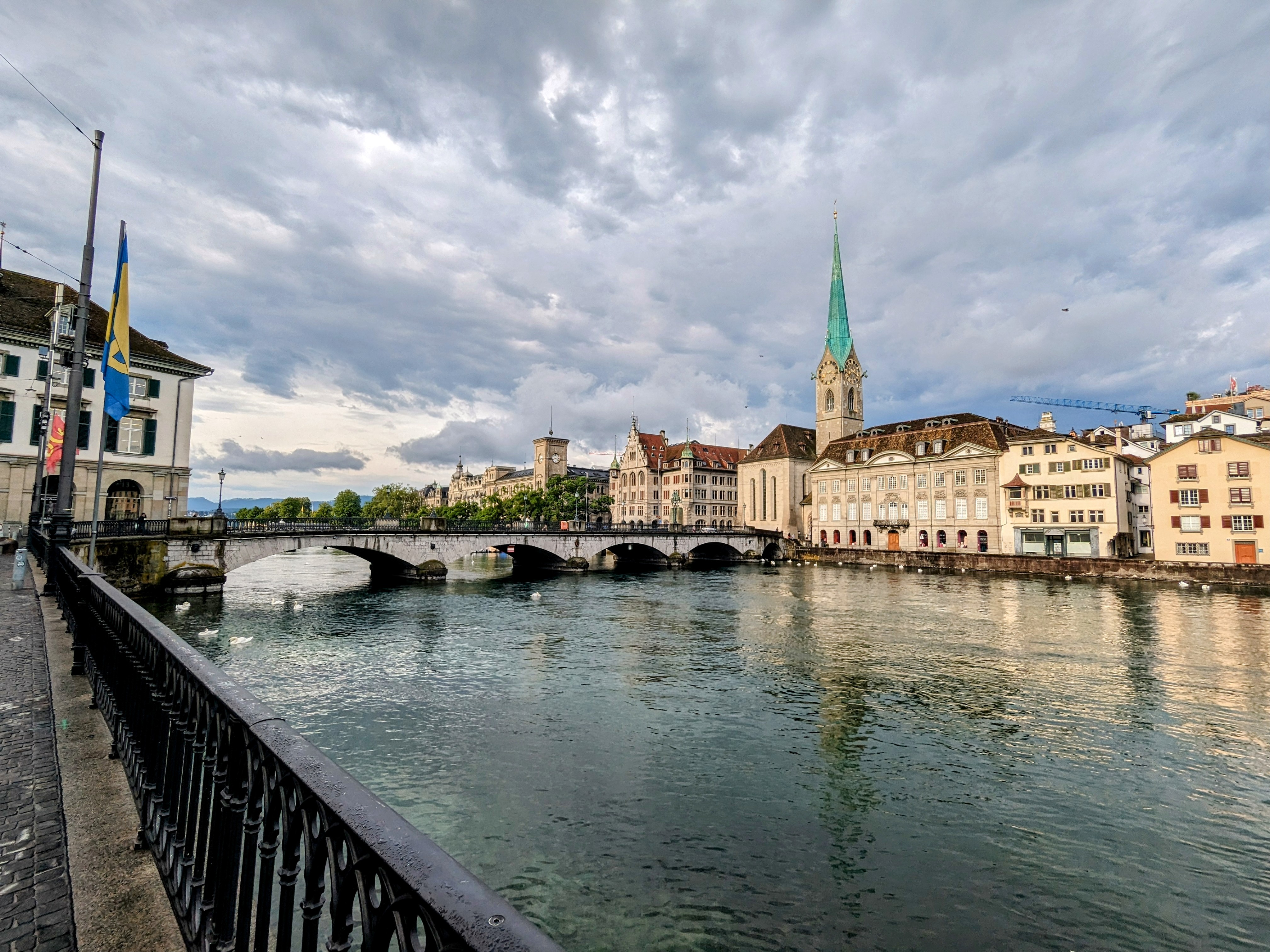
My first day in Switzerland saw me cycling a daunting 190 kilometers, more than planned, to reach Zurich. Thankfully, Christoph, an experienced bikepacker, offered me a place to stay, and together, we mapped out my route through Switzerland and over the Alps.

On the second day, I tried to avoid the hills, instead following the picturesque shores of Lake Zurich and Walesee.

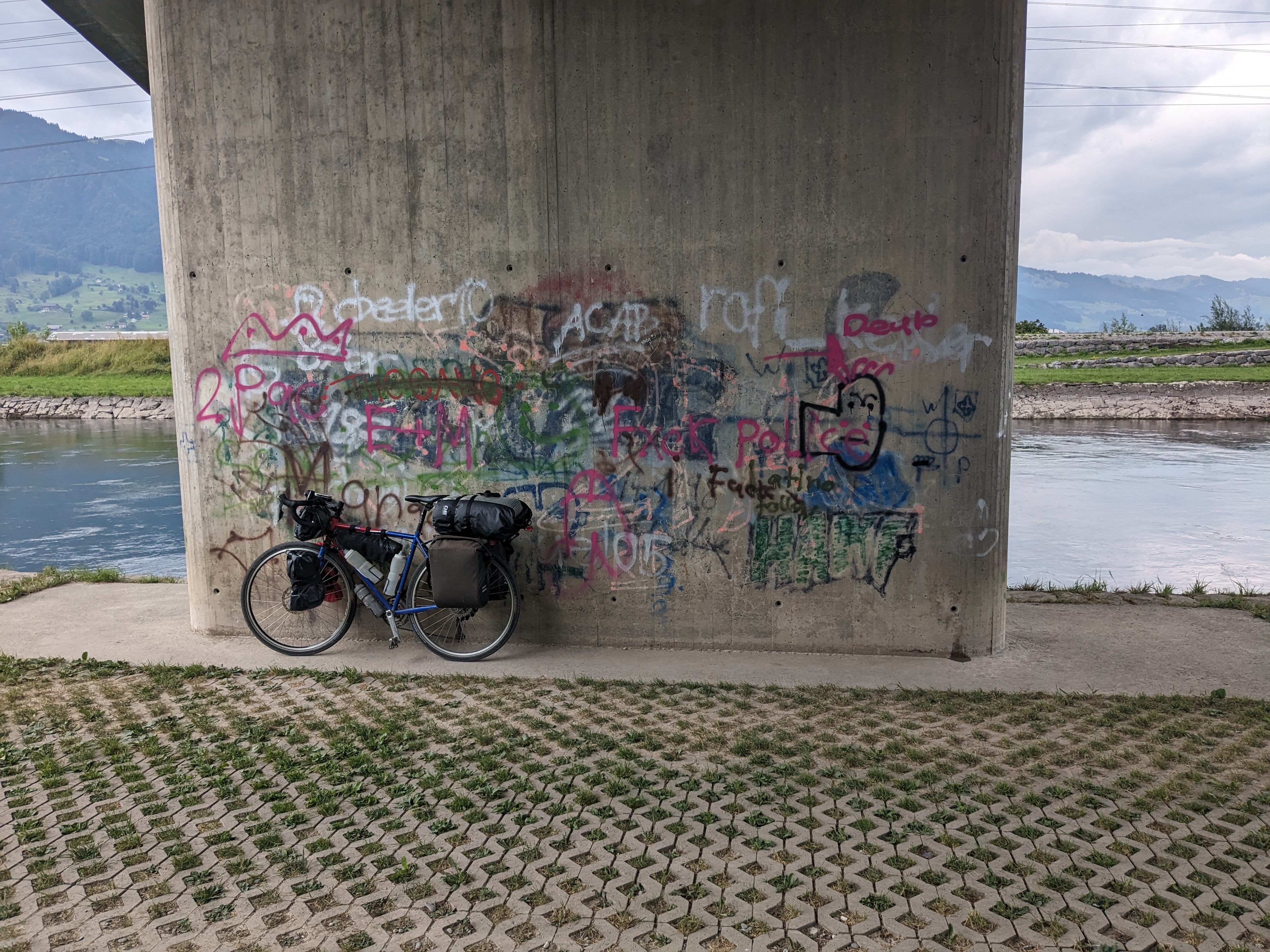
It was delightful cycling on fantastic cycle paths, but I had to race against an approaching storm, eventually seeking refuge under a bridge to cook dinner whilst it passed.

Camping near a serene river, I decided to set off early the next morning to reduce the risk of getting found camping. My journey led me up into the majestic Alps, starting with a grueling climb to the ski town of Davos. The ascent through the forest proved tough but rewarding.

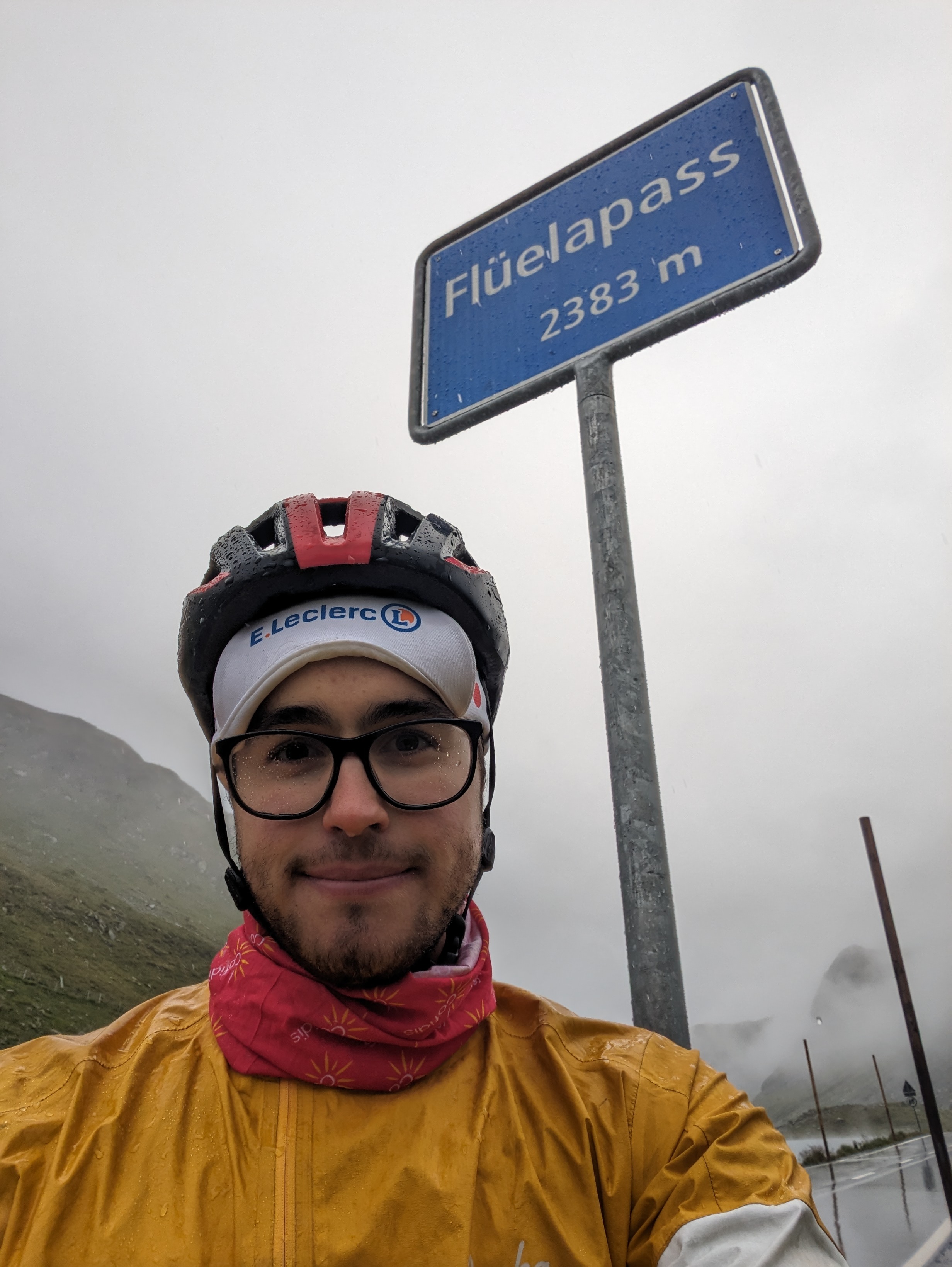
The Flüelapass, another challenging climb at 2383 meters, greeted me with inclement weather, making the crossing over the top and the slippery descent on the other side a nerve-wracking cold and wet experience.

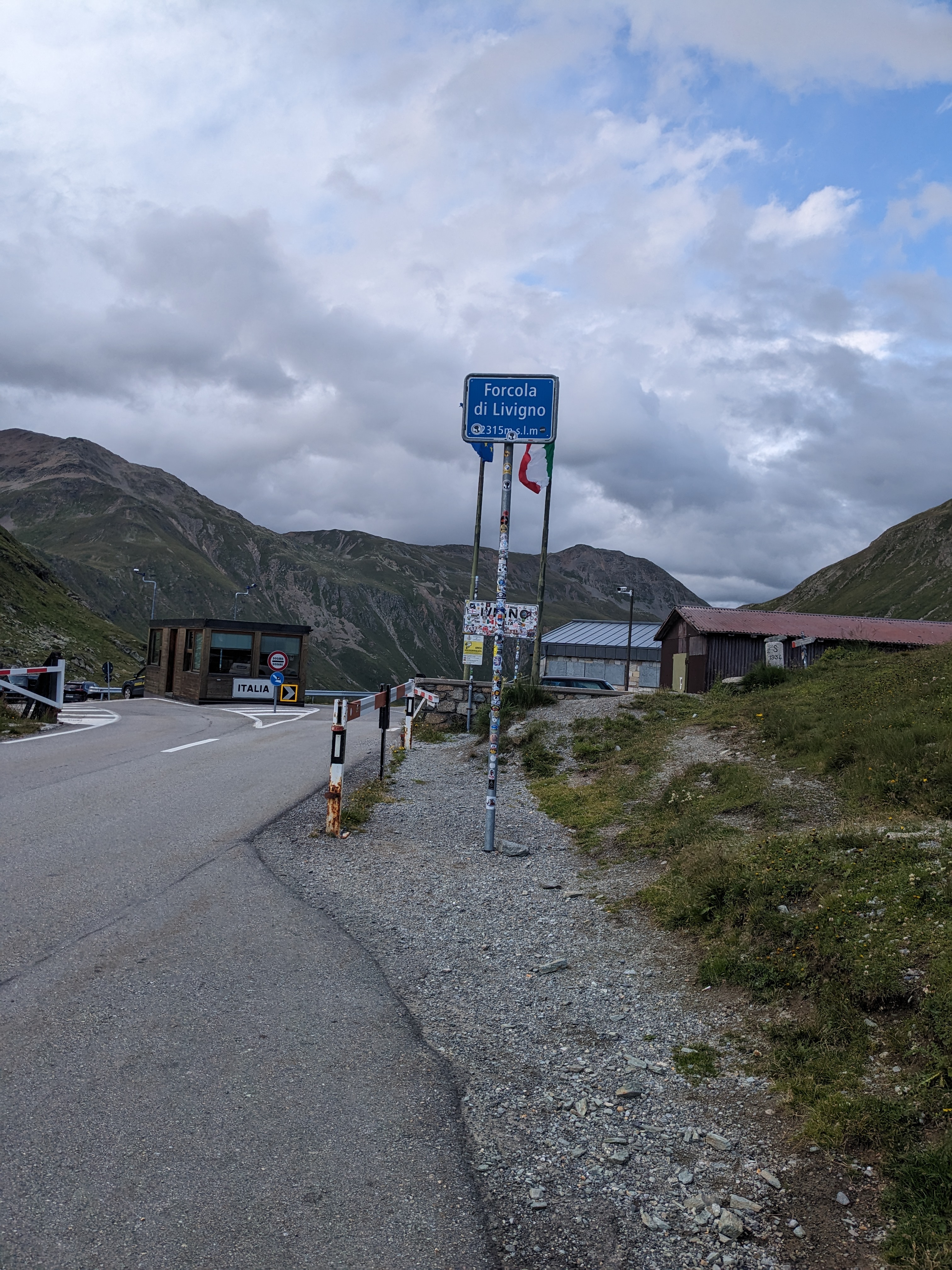
Heading towards the Italian border, the weather was constantly changing between each valley I entered and I never knew what it would be like over the next climb. My method of dealing with this was to just keep cycling really and then at least I shouldn’t be getting cold. I then conquered the Bernina Pass and Forcola di Livigno, both rewarding me with breathtaking Alpine views and some brilliant descents.

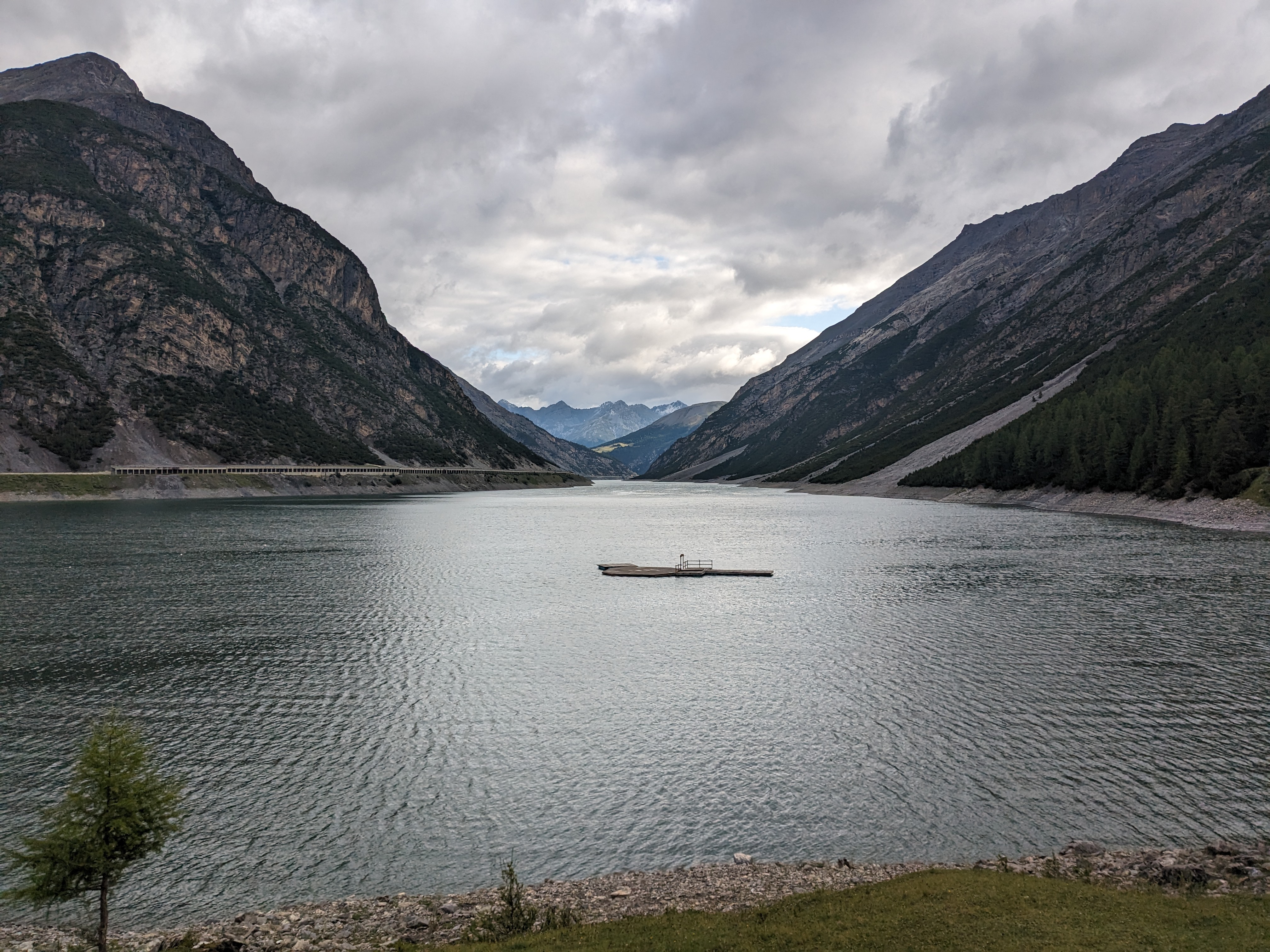
As a storm approached, I found myself seeking shelter under another bridge, this time in the town of Livigno. Known for being an isolated duty-free zone, it offered a unique shopping experience for travelers passing through to stock up on alcohol, petrol and chocolate. Once the storm passed, I camped out in a forrest next to a stunning lake at 1800m elevation for the night.

Switzerland had been a captivating country, unlike anything I had experienced in the UK. Its stunning landscapes and excellent cycle paths made it a true delight to explore. I’d love to return to the Alps again one day to complete more of the iconic climbs but maybe with a lighter bike next time!

Spectating the Tour de France

As part of my trip, I had always dreamt of watching the Tour de France, and Stage 20 seemed like the perfect opportunity. The stage was set in the scenic hills of the Alsace region, making it an ideal spot to witness the action up close. I decided to cycle up the final hill of the stage and find a spot near the summit to spectate.

As I pedaled my way into the Alsace mountains, I noticed a steady stream of cyclists all heading in the same direction, with many coming over from Germany for the day to catch a glimpse of the race. The atmosphere was electric even before reaching the race route.

As I climbed the Col Du Platzerwasel, the road was already packed with camper vans, cars, and passionate fans, despite it being 11 am, a good 6 hours before the race was expected to pass. The climb was alive with cheers and EuroParty anthems blaring from speakers, creating a motivating and exciting environment.

Reaching the summit took me about 50 minutes, a far cry from the pros who later conquered it in under 20 minutes. While not classified as one of the highest category climbs in the Tour, the summit stood at an impressive 1187 meters, which is higher than the peak of Snowdon. I then descended about 350 meters to a section with a 14% gradient to watch the race from.

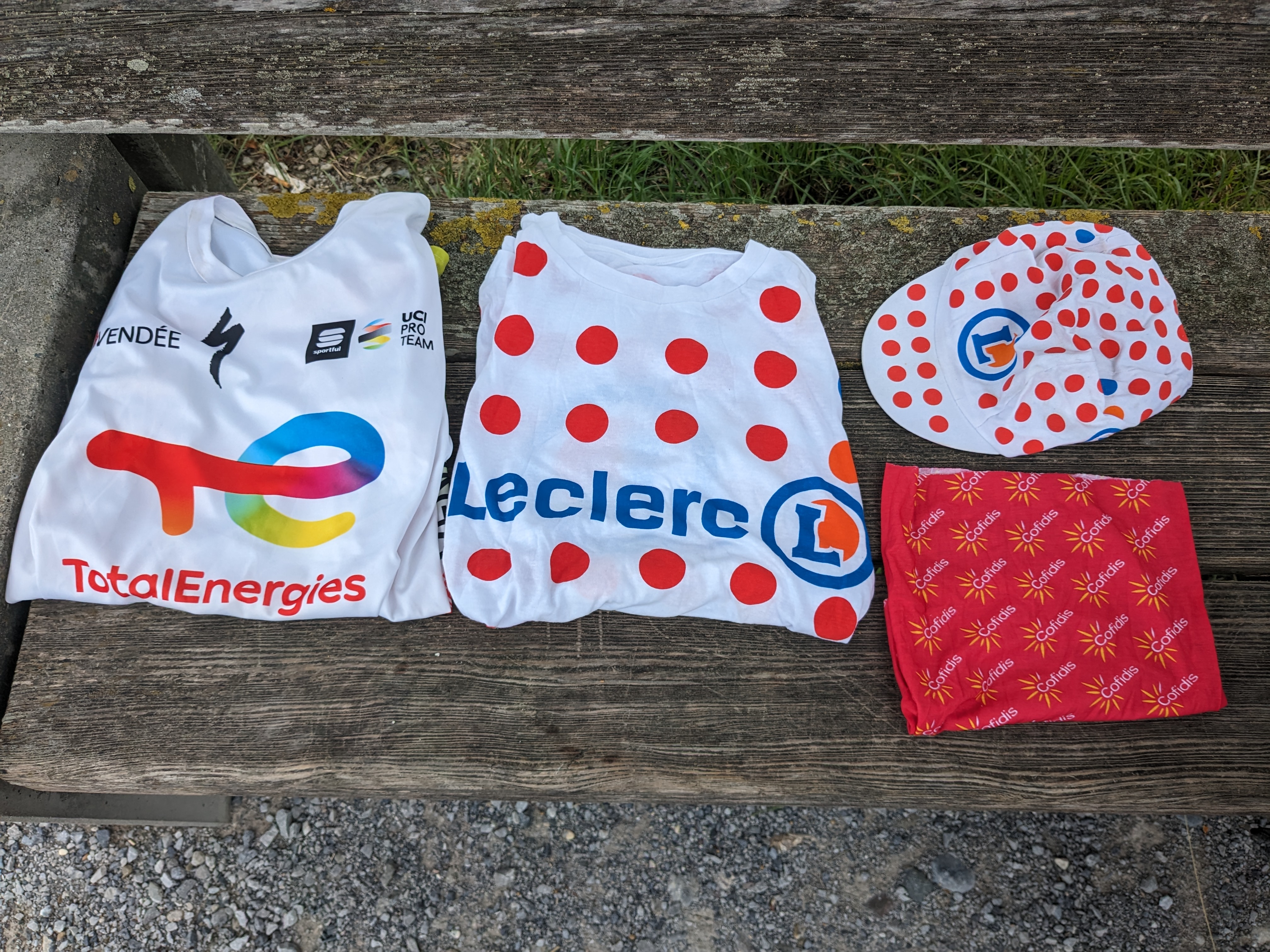
The anticipation rose as the caravan appeared, a colourful parade of floats tossing souvenirs to the cheering fans. After making friends with a group of Germans next to me, I was now in direct competition with them to catch anything being thrown our way. In the end I managed to catch quite a few souvenirs to remember my day by.

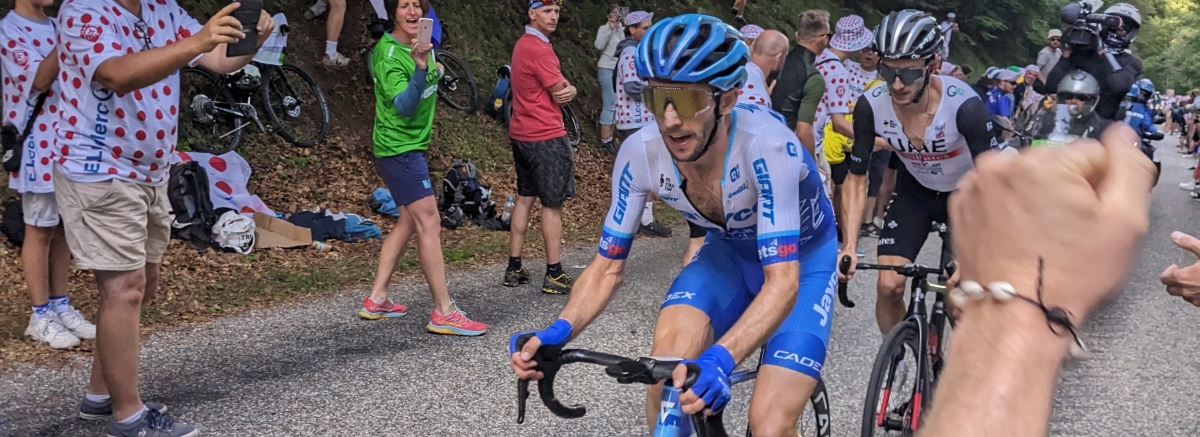
The sound of helicopters signaled the approaching race, followed by race official cars and motorbikes attempting to manage the crowd in order to make space in the road for the cyclist to pass. However, despite their efforts, and that of two policemen they couldn’t do much to control the enthusiastic 500-strong crowd from getting up close to the race.

When the riders finally zoomed past, I was taken aback by their size, looking much younger than expected. Jonas and Tadej, the top riders of the year, looked about 15 years old. Furthermore, being within touching distance to the race was a very surreal experience.

Cheering on the other riders as they conquered the hill brought joy and camaraderie to the crowd, with French stars Pinot and Alaphilippe receiving the loudest cheers.

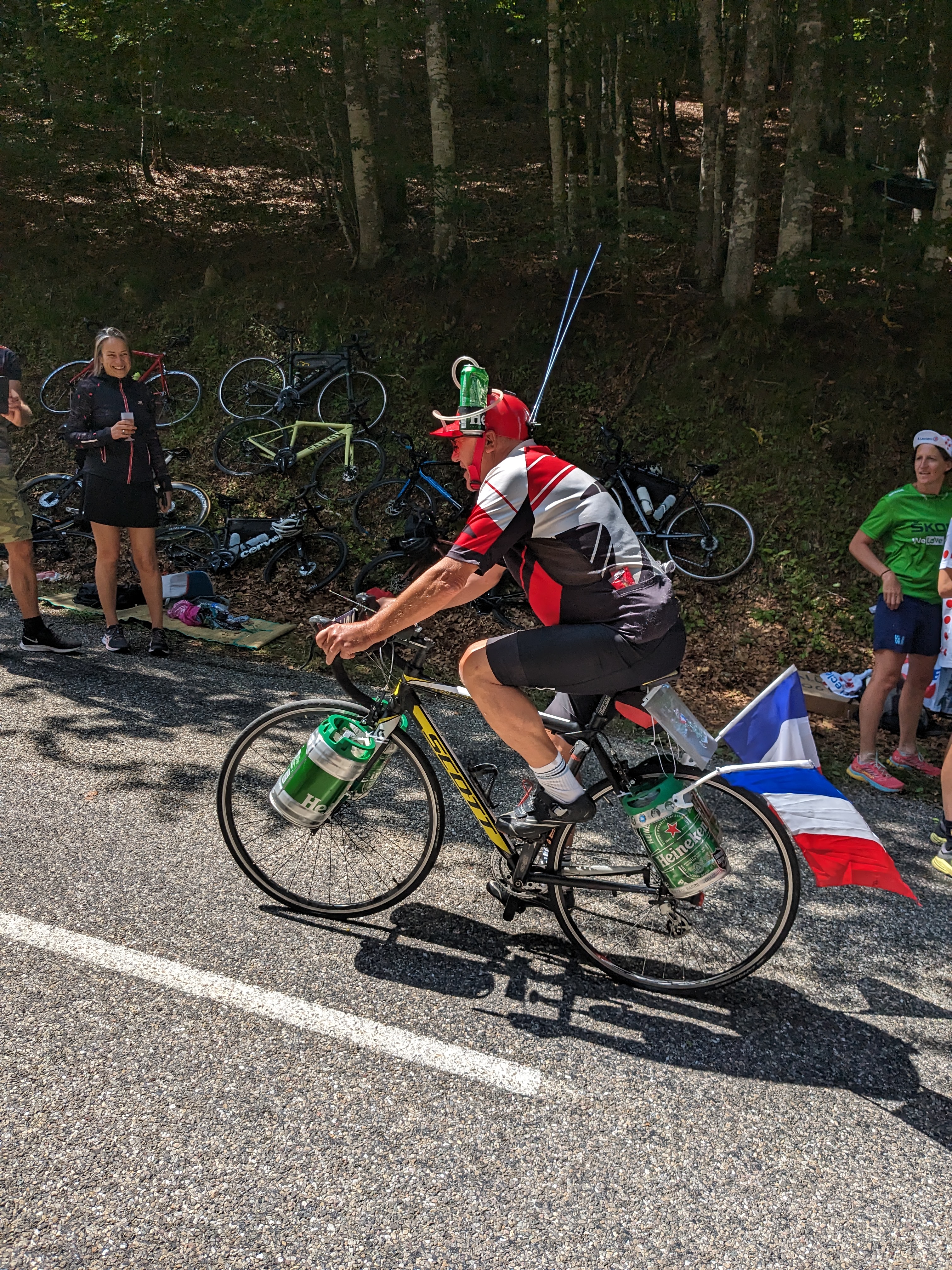
After the race had passed, I cycled up to the finish area, where preparations were already underway to dismantle the course. The thrilling day concluded with a somewhat nerve-wracking descent alongside fellow cyclists, many of whom were quite drunk by this point.

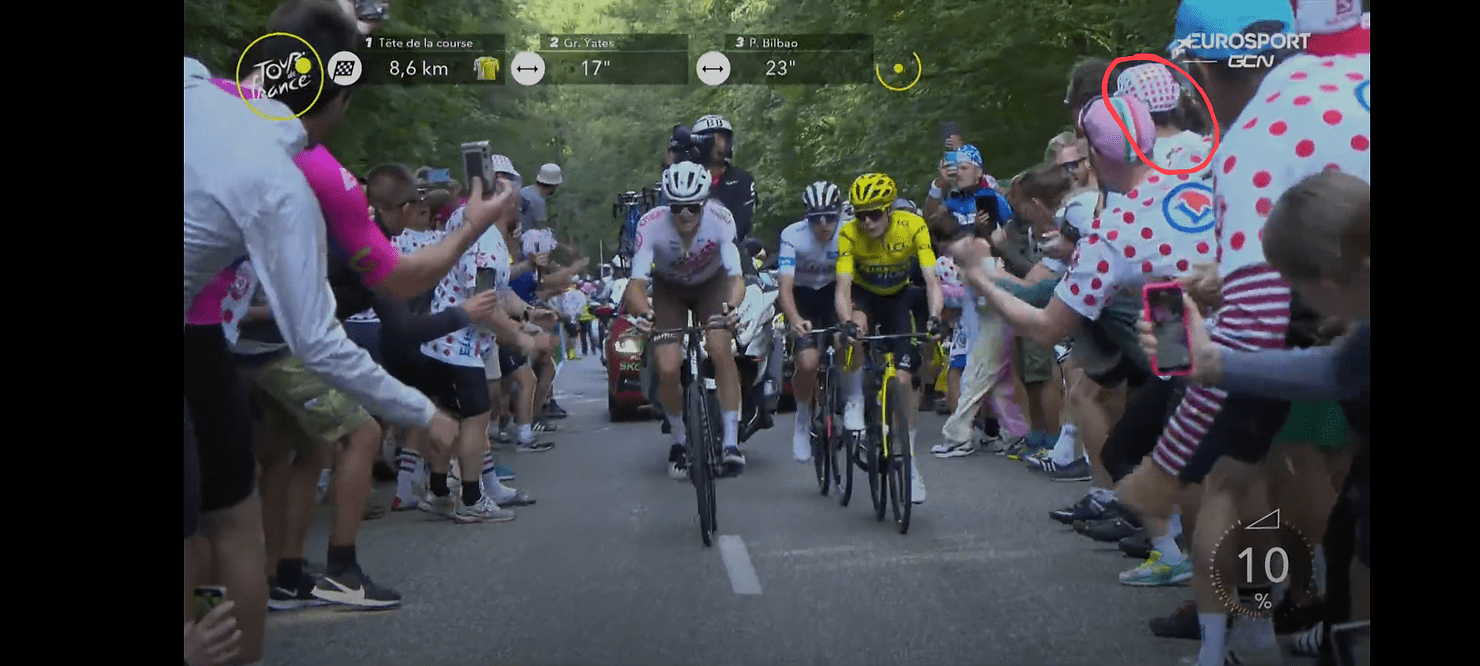
None of us in the crowd had phone signal, likely due to the remote hillside location, this meant I didn’t know who’d even won till I’d set up camp that evening. Watching the race back I was trying to spot myself on the cameras and I think you can just about see the back of my head!

It was an unforgettable day, and a great conclusion to my time in France. It’s been a great and rather easy country to cycle through and I’d love to return to follow the race through the Alps one day.

Northern France and Belgium

After arriving in Calais, I, along with two other cycle tourists, received a car escort out of the port, allowing us to bypass the queues and begin our journey smoothly. I joined EuroVelo 5, a long-distance cycling route from Canterbury to Italy, where I enjoyed the ease of riding along the well-maintained paved canal paths.

While the EuroVelo 5 continued towards Brussels, I opted to head south towards Douai. There, I found accommodation with Claire, who offered a much-needed shower and a quick tour of the City.

After she shared her food with me, we met up with some of her friends and celebrated Bastille Day for which the city put on a firework display.

The following morning, we visited a bustling French market and I stocked up on delicious cheeses to fuel me through the day.

After camping in a forrest on the Belgium border for a night, I crossed into Belgium traveling through some small Belgian villages, making sure to indulge in their famous waffles for sustenance.

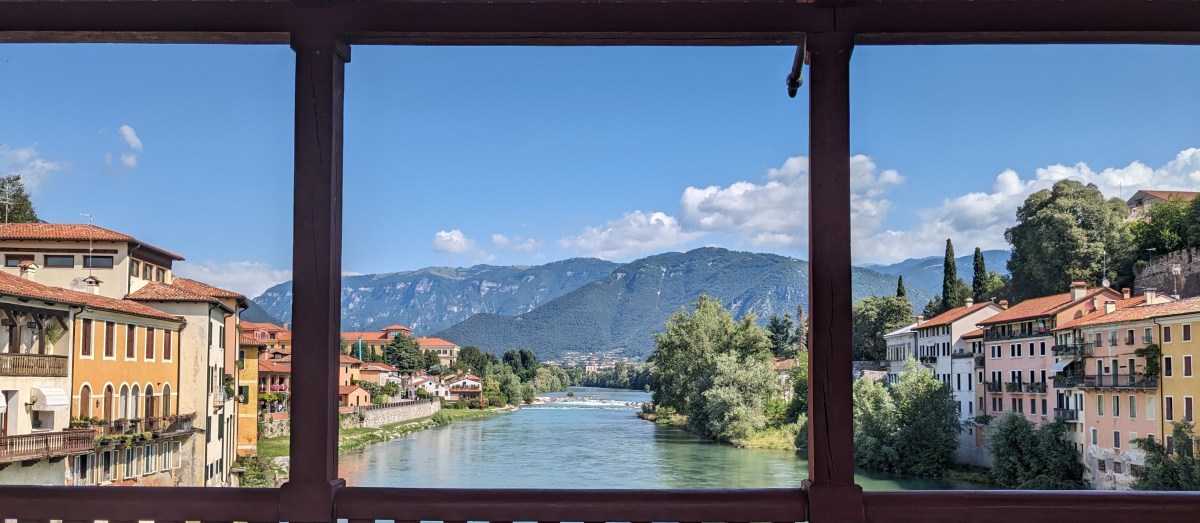
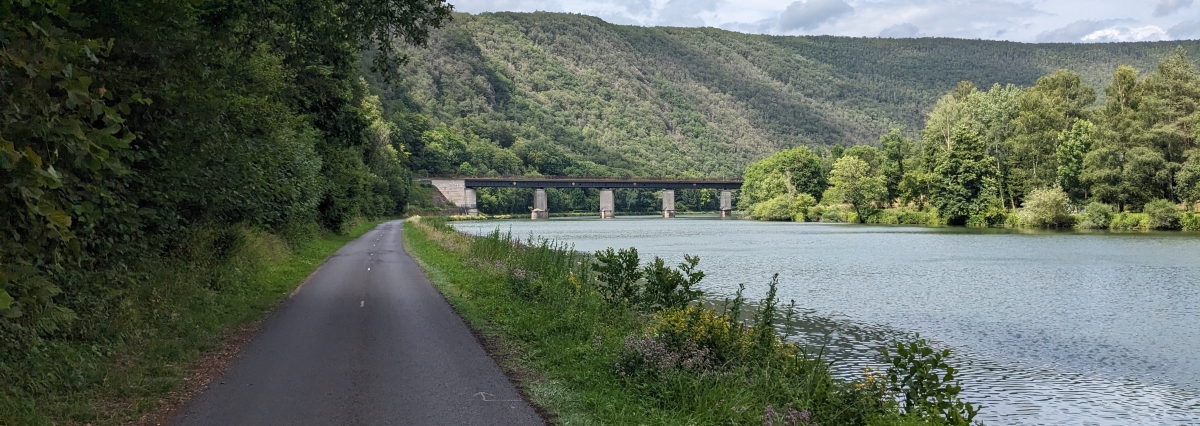
Soon, I found myself back in France in the scenic Ardennes Regional Park, where a pleasant bike trail offered stunning views of the river Meuse and its valley.

Camping has been relatively straightforward, with most nights spent in peaceful forested areas away from the road. As for food, I relied on simple provisions, snacking on baguettes with Nutella during the day and having tinned protein (generally lentils or Beans), tinned veg, and some carbs for dinner.

Riding along the bike trails has been far more enjoyable so far than the roads so, I made my way back to Belgium to rejoin the EuroVelo 5 route, which will guide me through more new countries of Luxembourg and Germany.