

After three-weeks holiday in Airlie Beach and Sydney with my family, they returned to England leaving me to fend for myself in Oz. With numerous people warning me of the harsh Sydney winters where temperatures drop to single digits, I opted to head to the sunshine state of Queensland to see out the winter and find work as a banana farmer.
This didn’t go to plan. Upon arriving in Cairns and talking with people from the hostel it immediately became clear that there weren’t many jobs going as everyone finishes their east coast trip, then are also in Cairns looking for work. This led me to decide to relocate to Darwin, but after taking four flights in the last month, I fancied a bit of an adventure to getting there.
With the dry season approaching, there were plenty of opportunities for campervan relocations to Darwin when the city becoming a big holiday destination for winter with its 30 degree sunshine from May to September. Not wanting to take on the 3000km journey alone, I convinced my mate Josh to join who was also looking to escape from Cairns. We’d booked the journey to begin the following weekend giving just enough time to explore Far North Queensland heading into the jungle and going croc spotting.

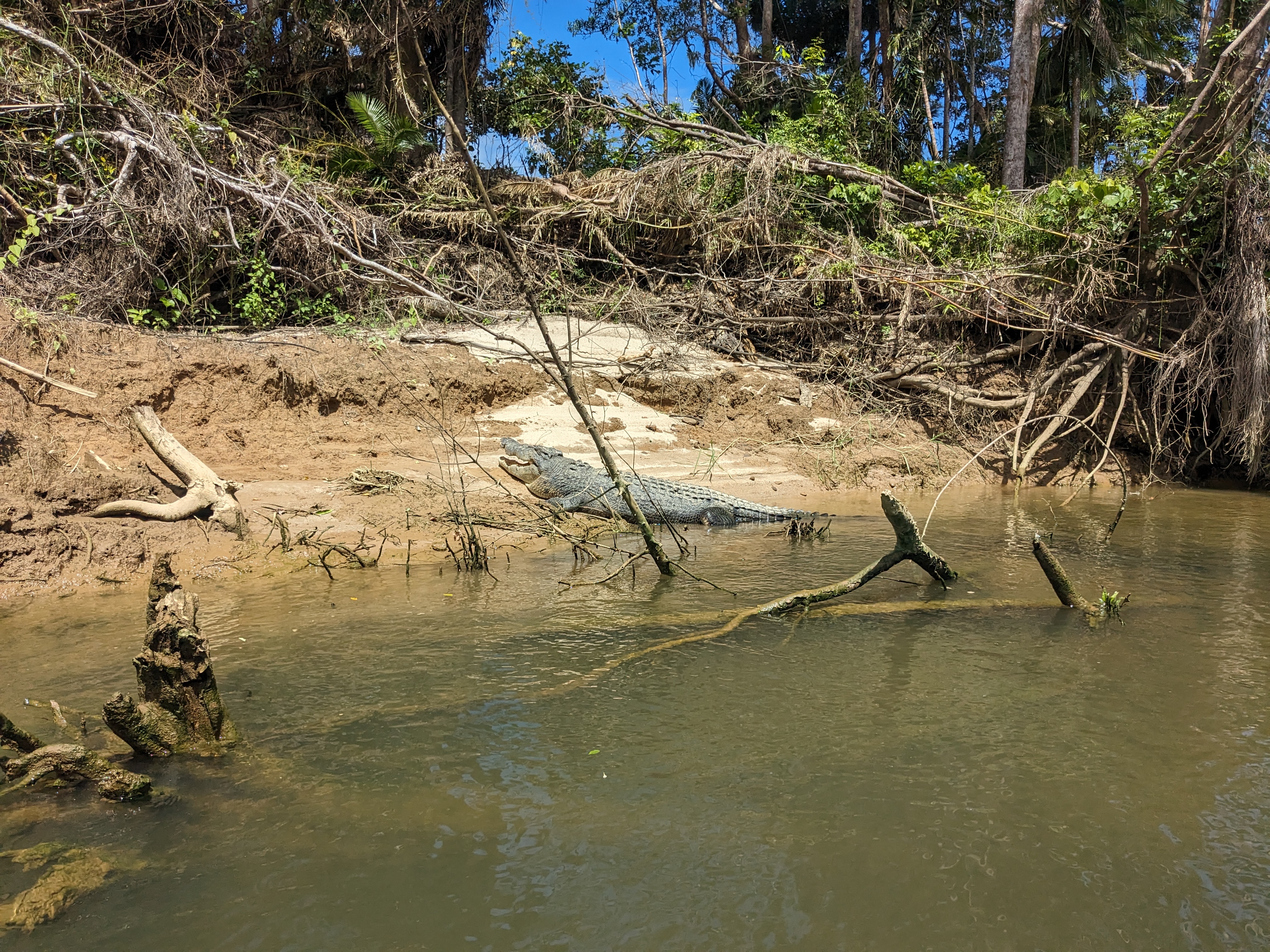

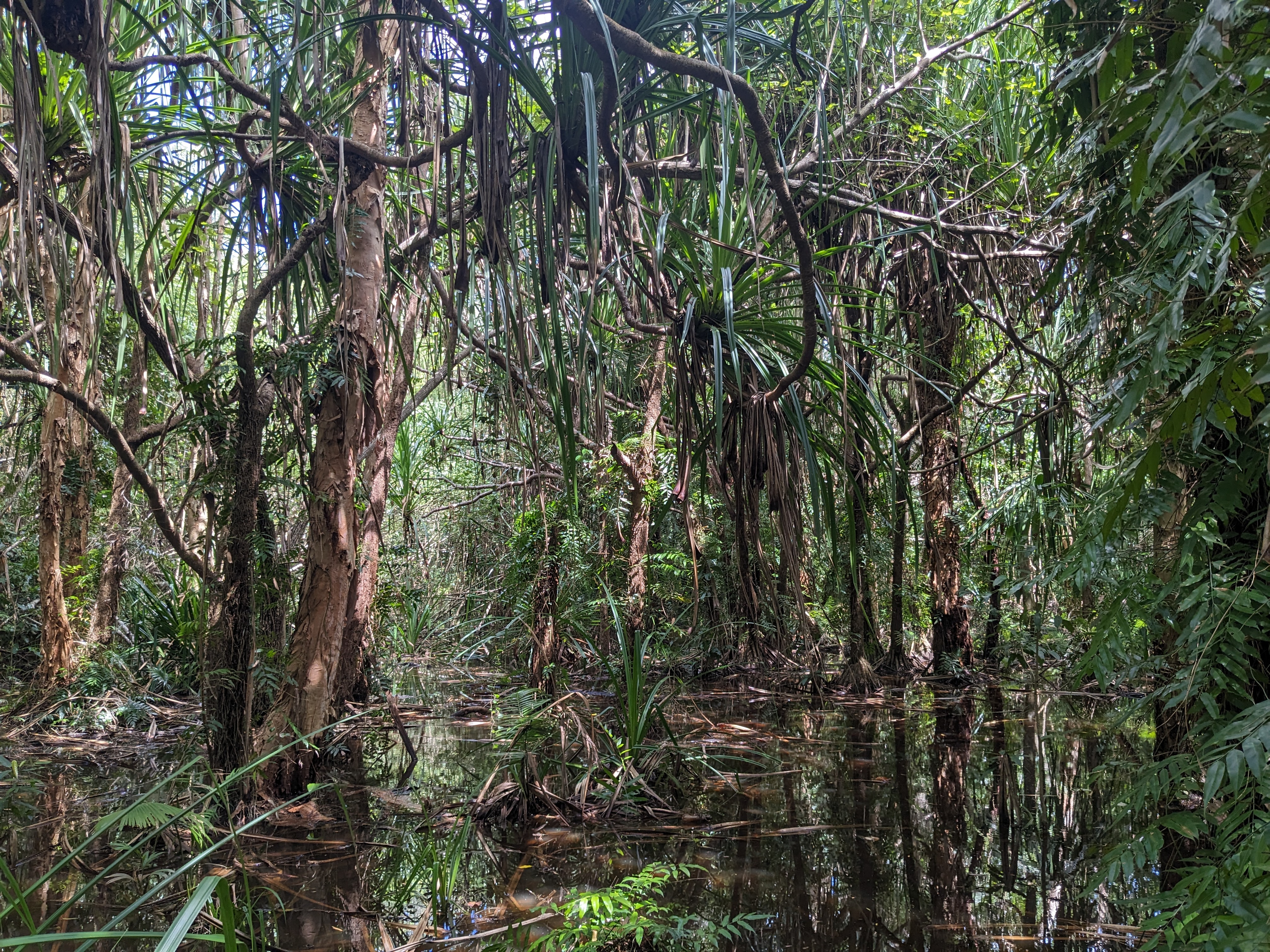

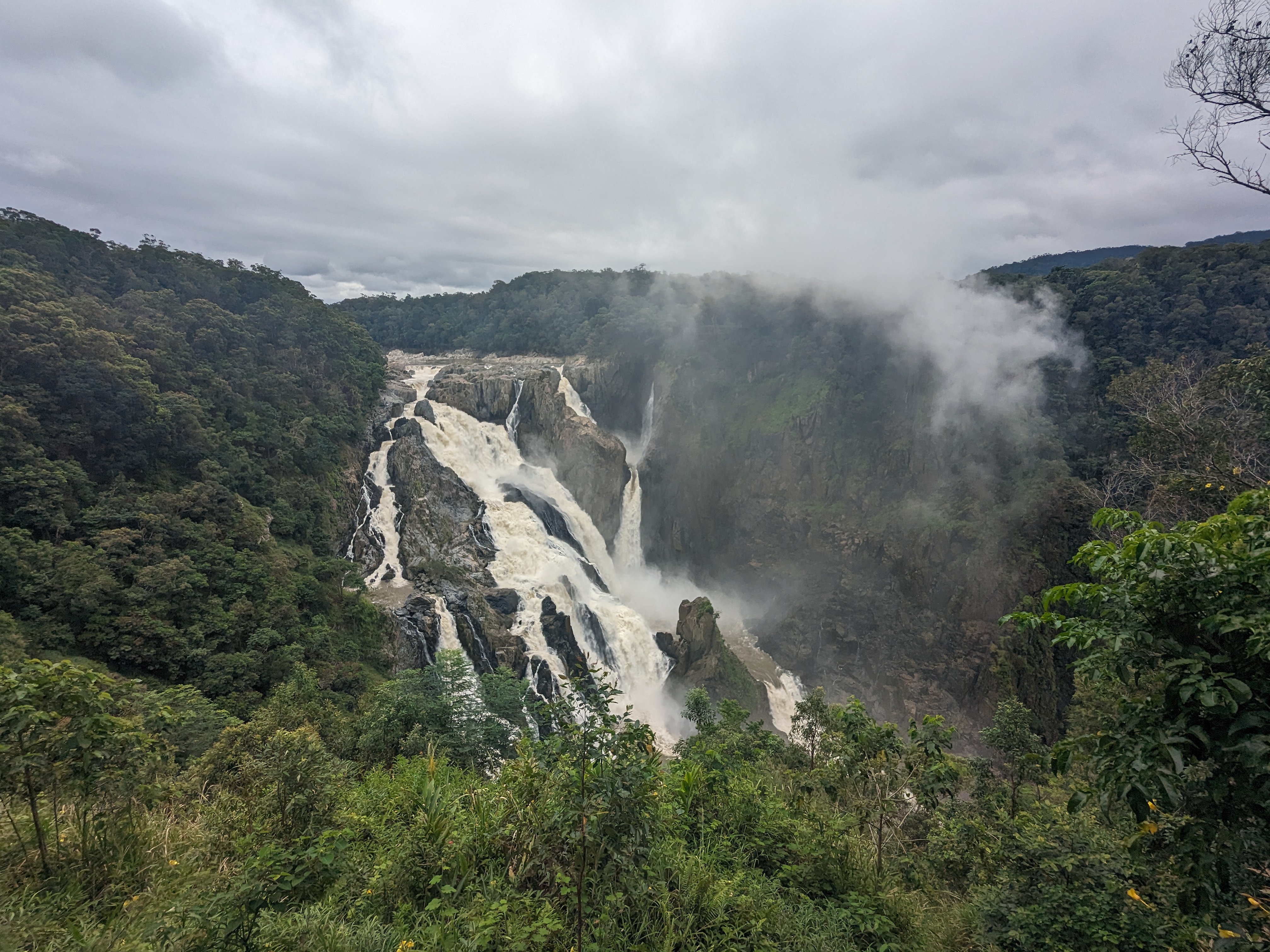

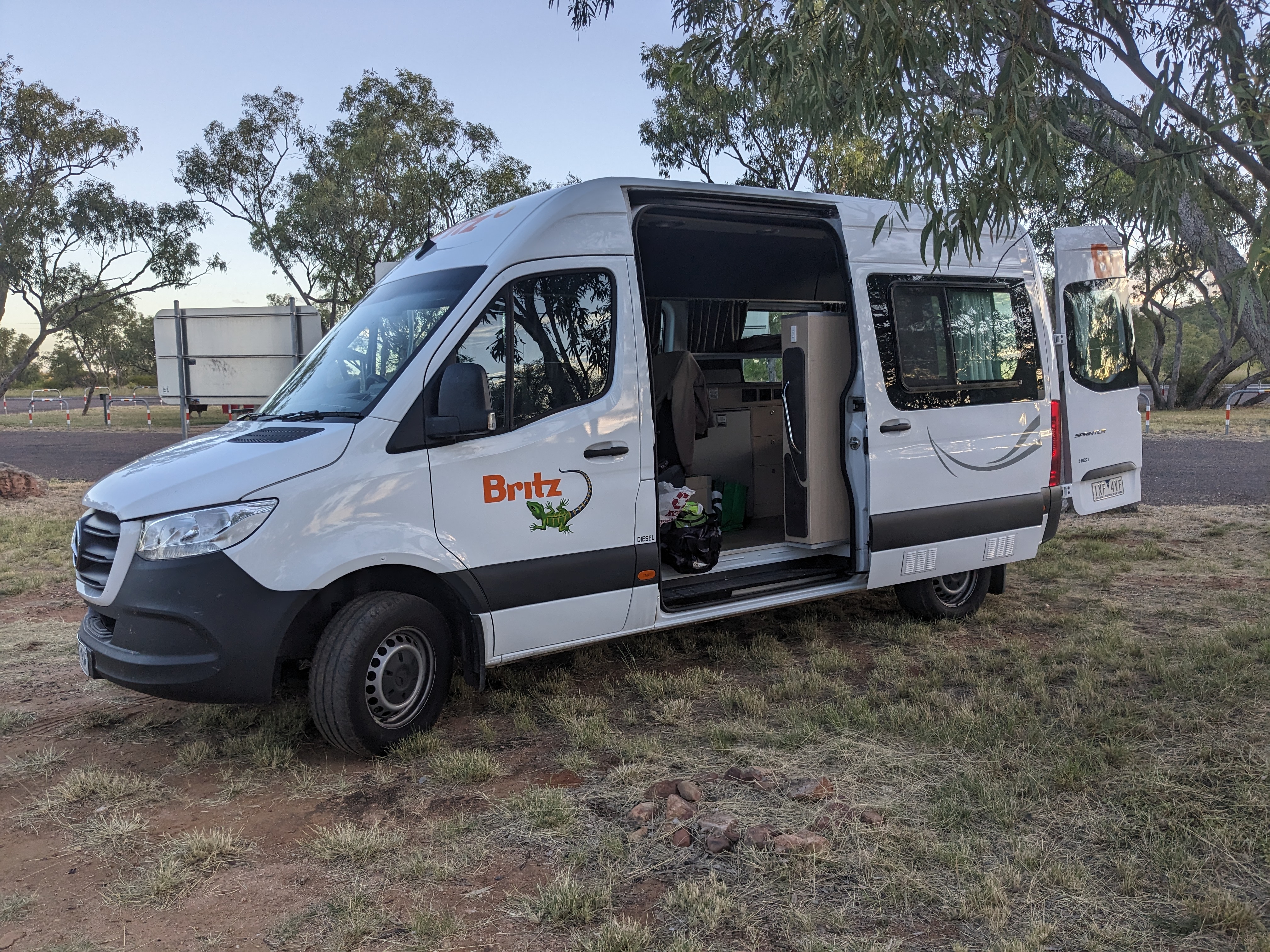
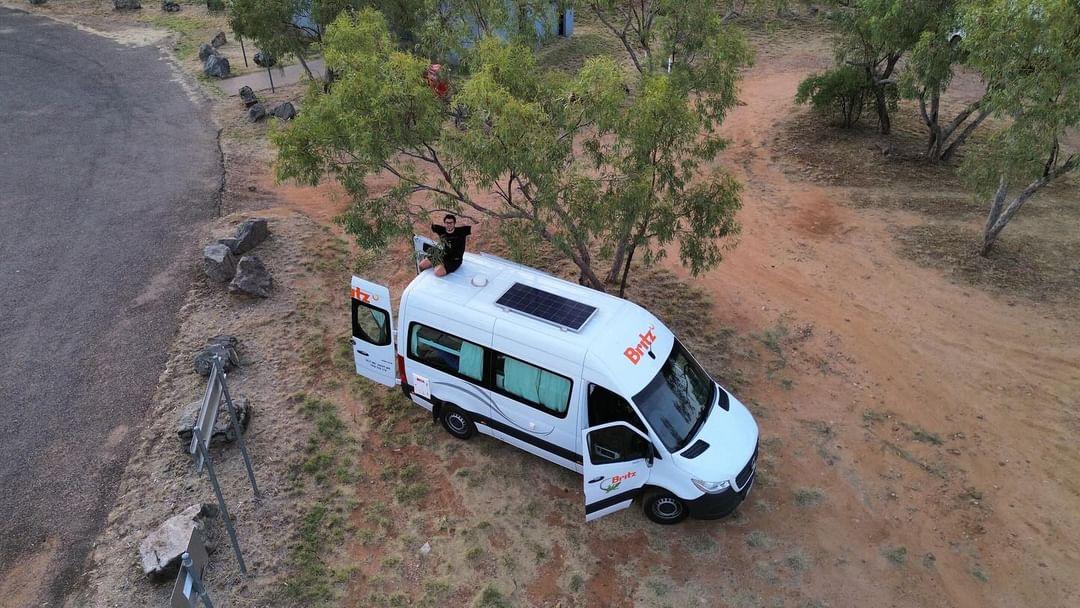
Given only six days to complete the drive, we arrived early at the camper depot to pick up the keys. To our surprise, we were given a huge 4-berth Mercedes Sprinter van, when we were expecting something a bit smaller.

The first challenge arose when we headed into town to the supermarket and struggled to find parking suitable for our 2.7m tall vehicle. After causing a bit of a jam realising last minute we weren’t going to fit into the multistory car park and needing to reverse back out of the entrance, we eventually managed to stock up on food knowing that prices would soar and choice would drop once we hit the outback.
Once loaded up, we headed south following the east coast towards Townsville, choosing not to stop anywhere except for grabbing fuel and drinks from a bottleshop. Our plan was to try and get most of the miles completed in the first 4 days, giving us time to enjoy the national parks on the remaining days.
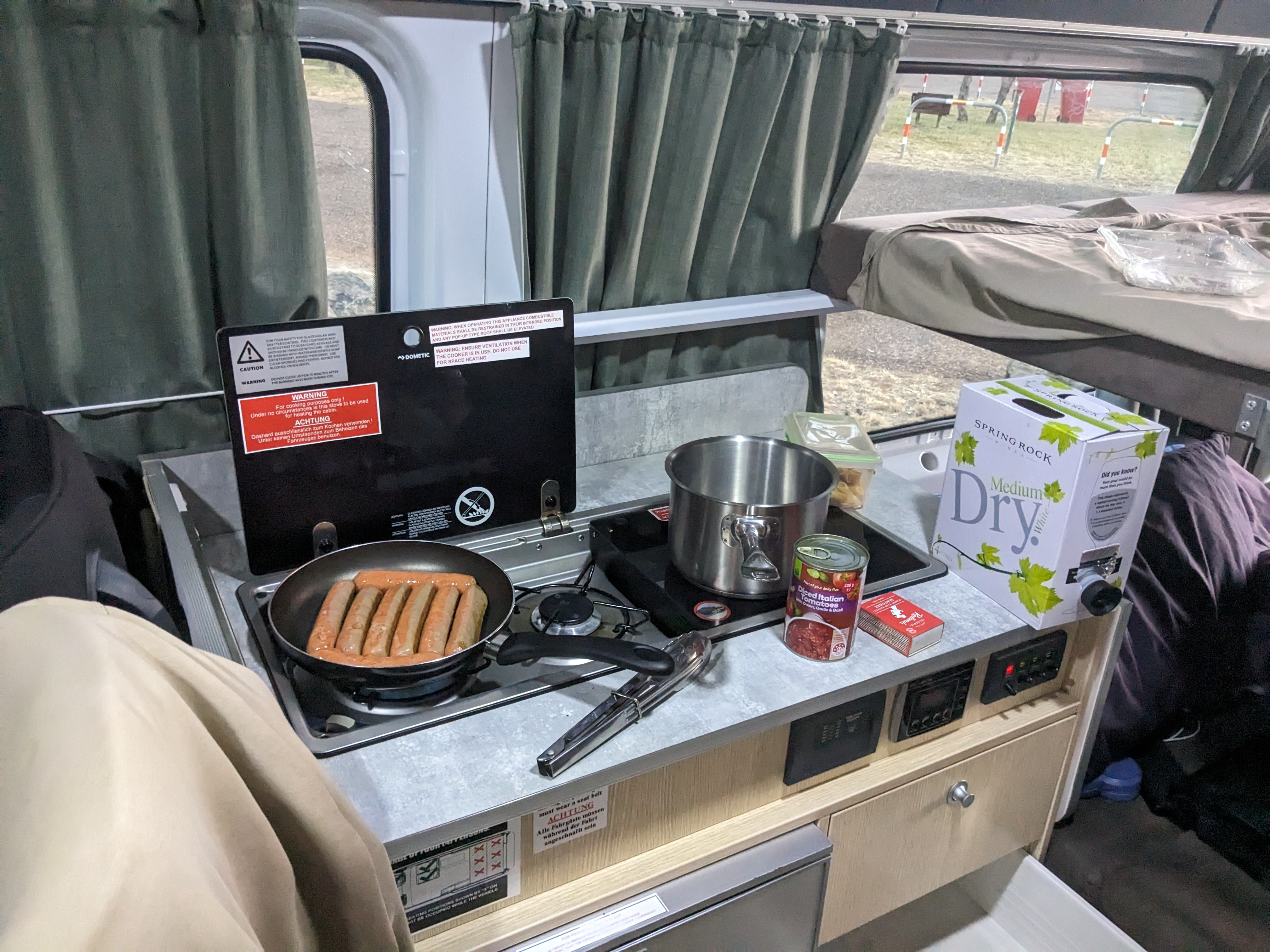
Exiting Townsville, we headed west, watching the familiar landscape of the east coast change becoming more empty bushland. We pulled up just before sunset at a free camp spot featuring toilets and taps, then cooked up some sausage pasta before resting up before the long drive the following day.

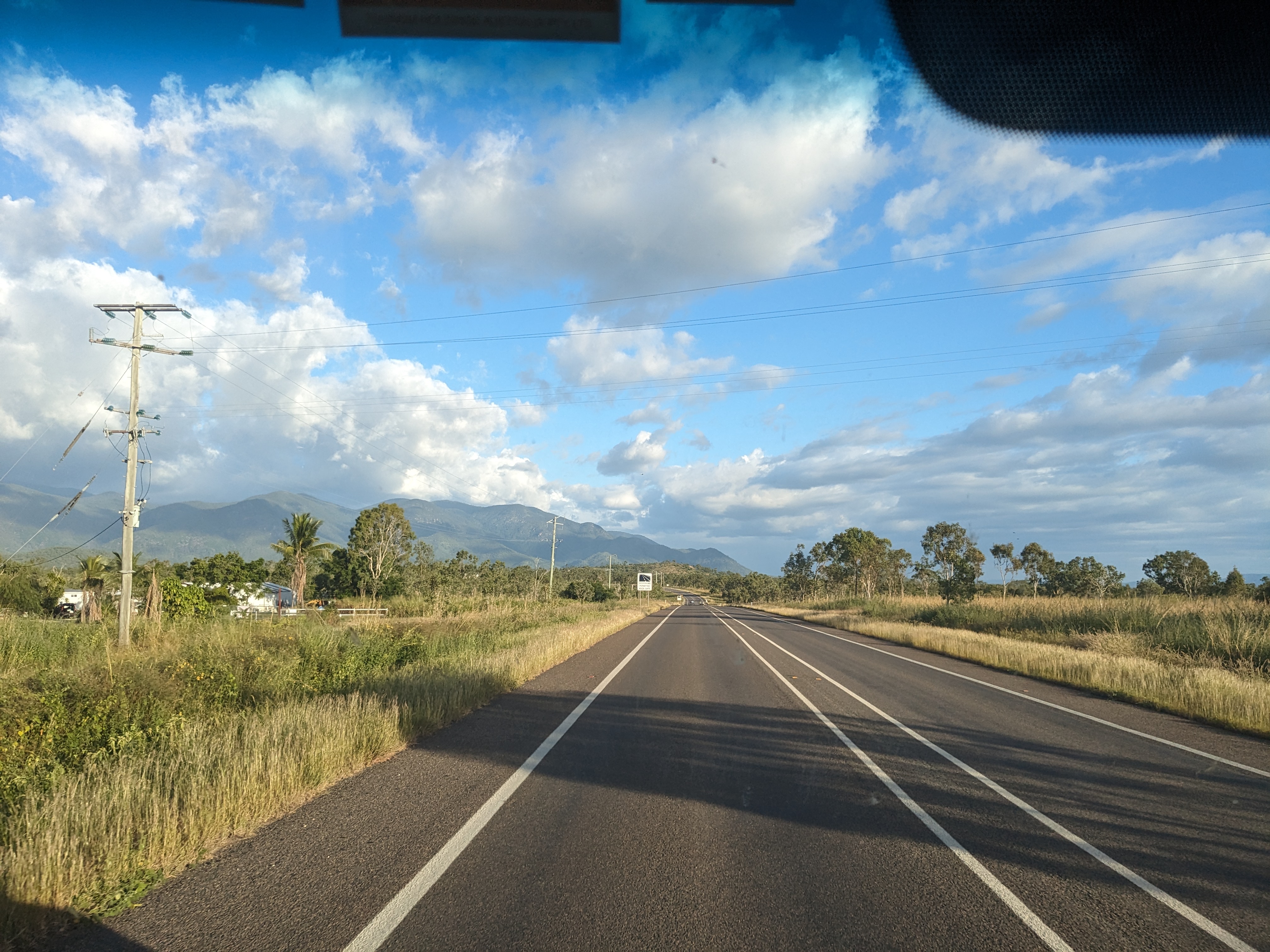



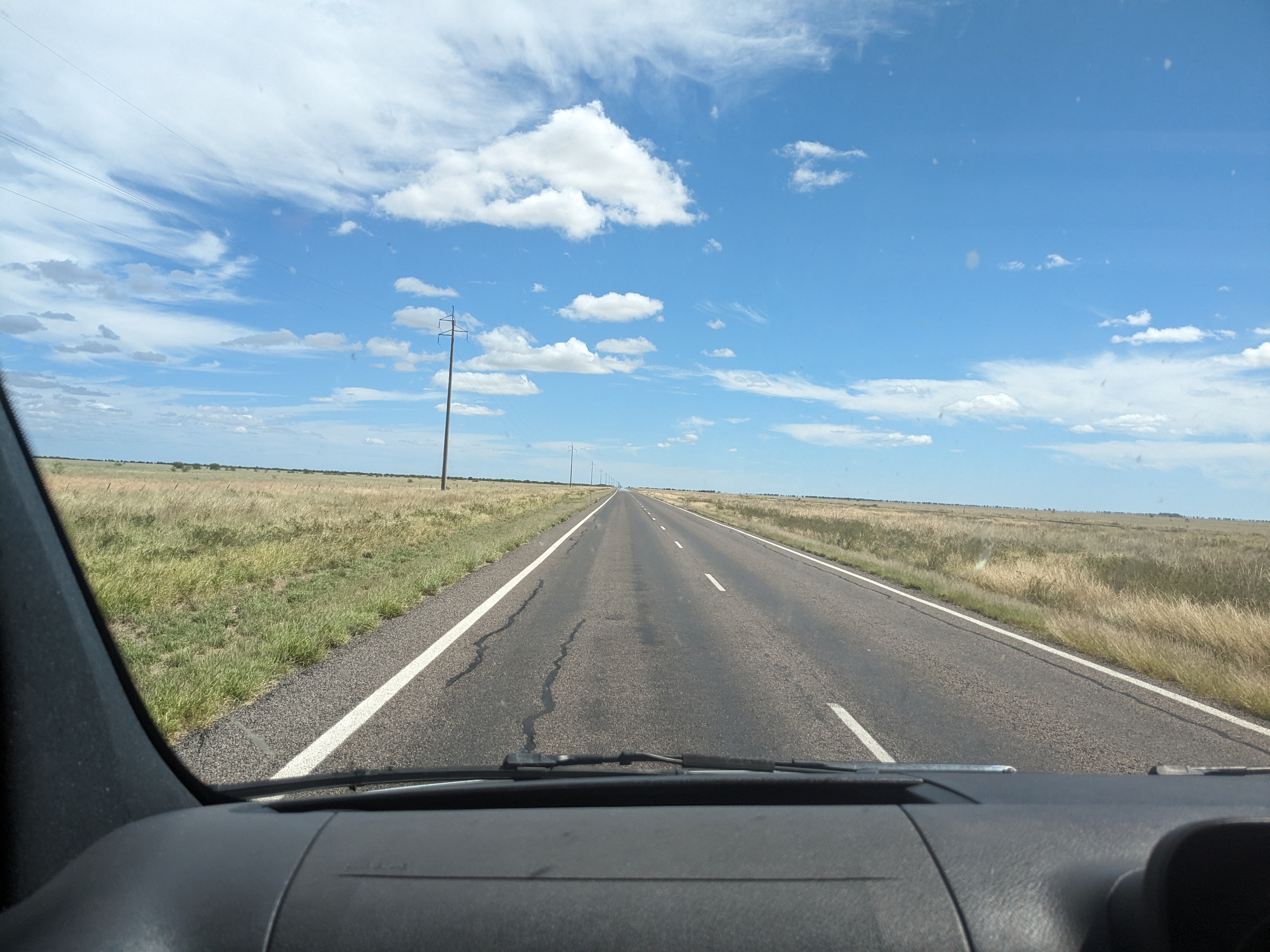
The plan for day two was to make it to Mary Kathleen, an abandoned town and uranium mine that’s free to visit and camp at. Setting off at 7 am, we arrived at 4 pm, stopping only once for fuel and to change drivers. This was when we first interacted with the road trains, needing to overtake these 60m long trucks carrying goods across the outback.


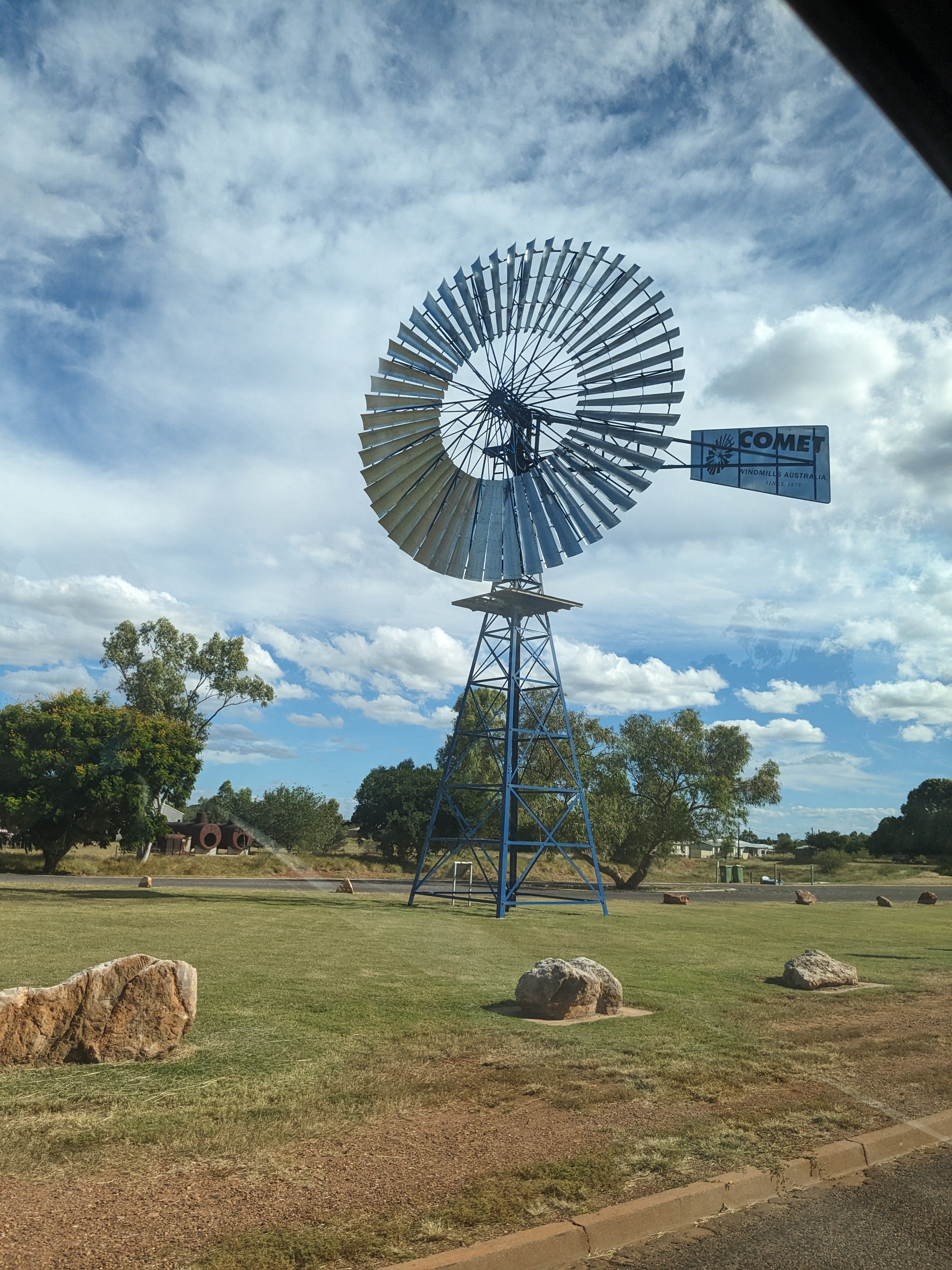

At the turnoff to the town we encountered some difficulties. The road was riddled with potholes, and the large van was struggling. We decided to park up, and I opted to run the 7km up to the mine, eager to see what was left from the site.
About 1 km into my run, a car came past, and I held out my hand, hoping for a lift. Fortunately, they stopped, seemingly intrigued by my endeavour. In the car was a family of four on a six-month adventure around Australia, towing a caravan behind their Land Cruiser. They kindly gave me a lift up the track reaching the pit as it was cast into shadow by the evening sun. Standing and looking out at the enormous hole in the earth was truly impressive, and the photos definitely don’t do it justice. The water was a metallic blue colour from the copper and looked very inviting if I didn’t know it was contaminated with uranium.

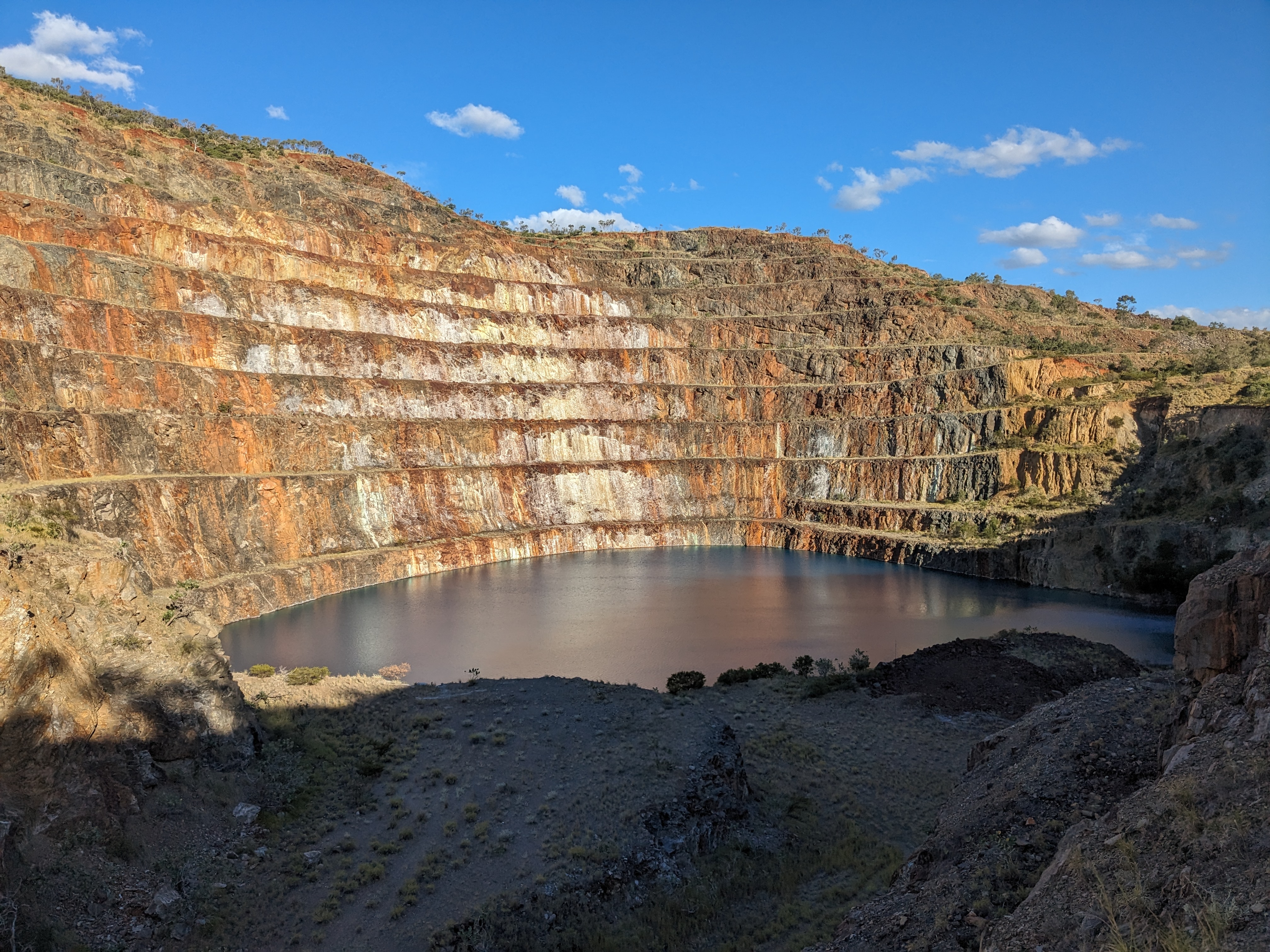
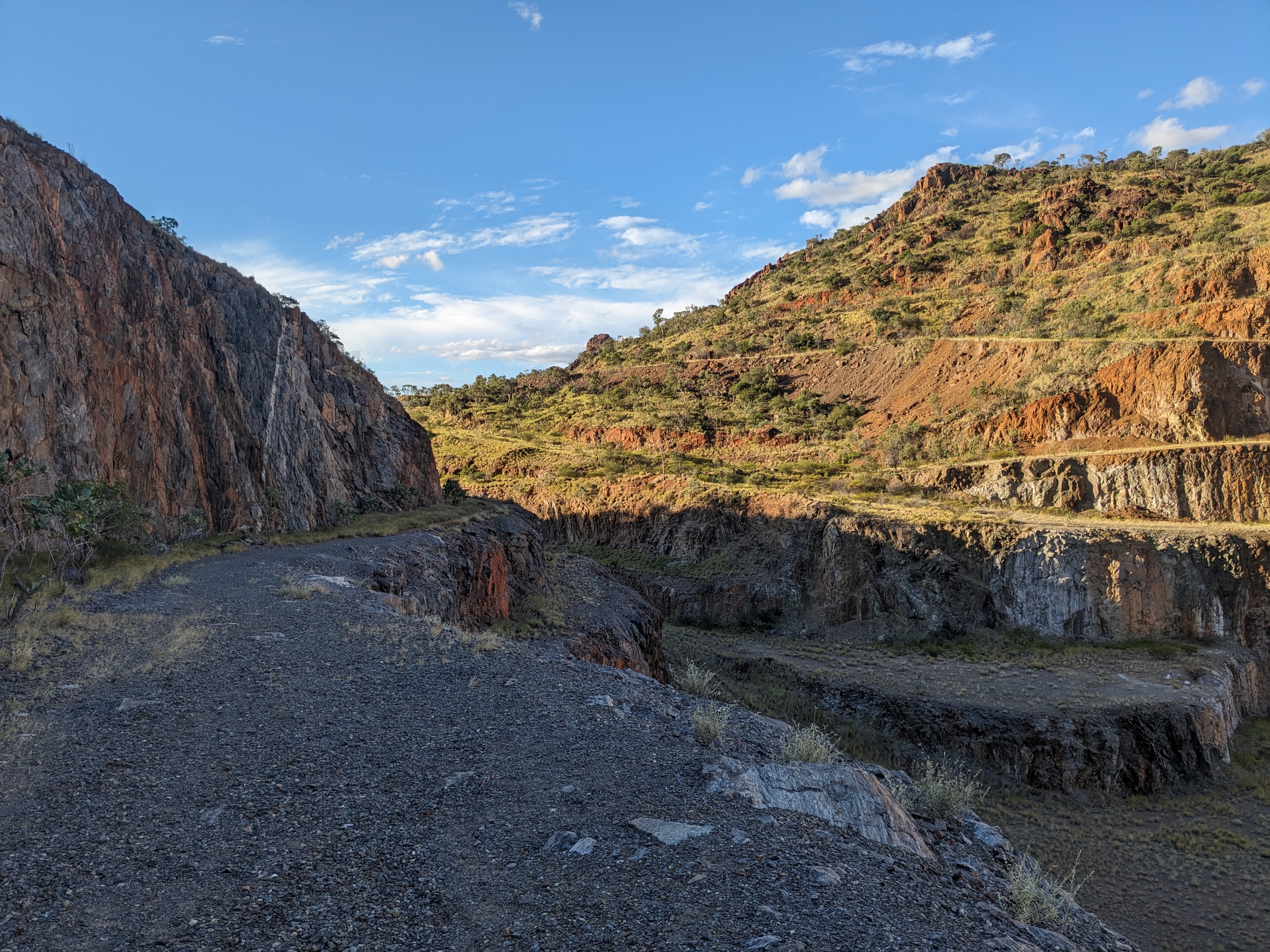


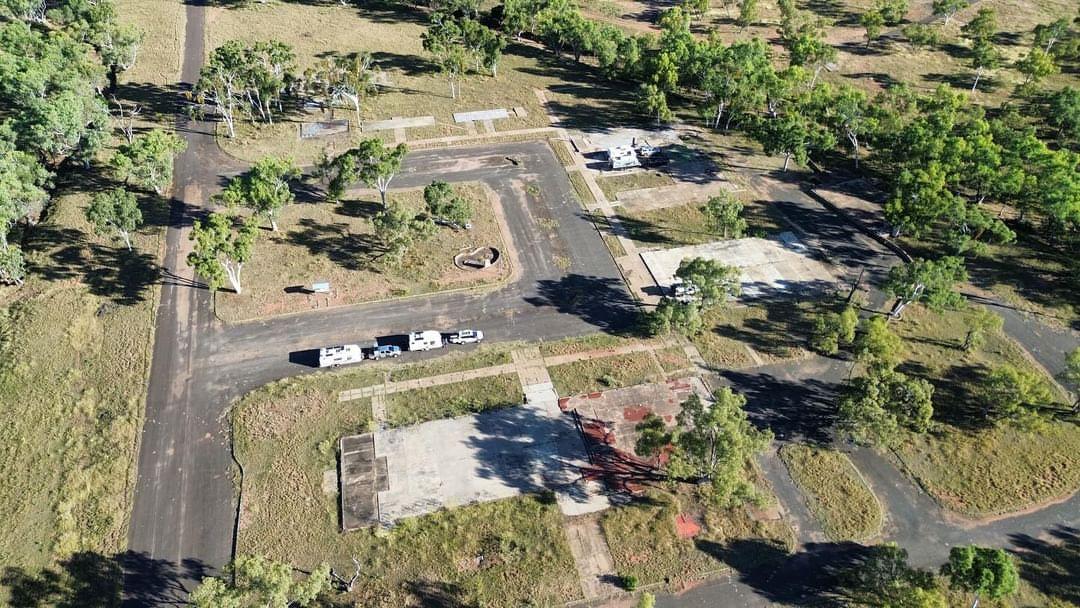
I was kindly offered a lift back to where we left our van too, and after a long conversation about their vehicle I really wanted my own 4×4 to roadtrip around Australia in. The town of Mary Kathleen was pretty disappointing, I was expecting it to be full of abandoned buildings but all that remained were a few concrete slabs where the building had been and an information board depicting the old town layout. This town had been constructed to home the mine workers, so when the mine shut in 1982 the buildings were all sold and transported away.
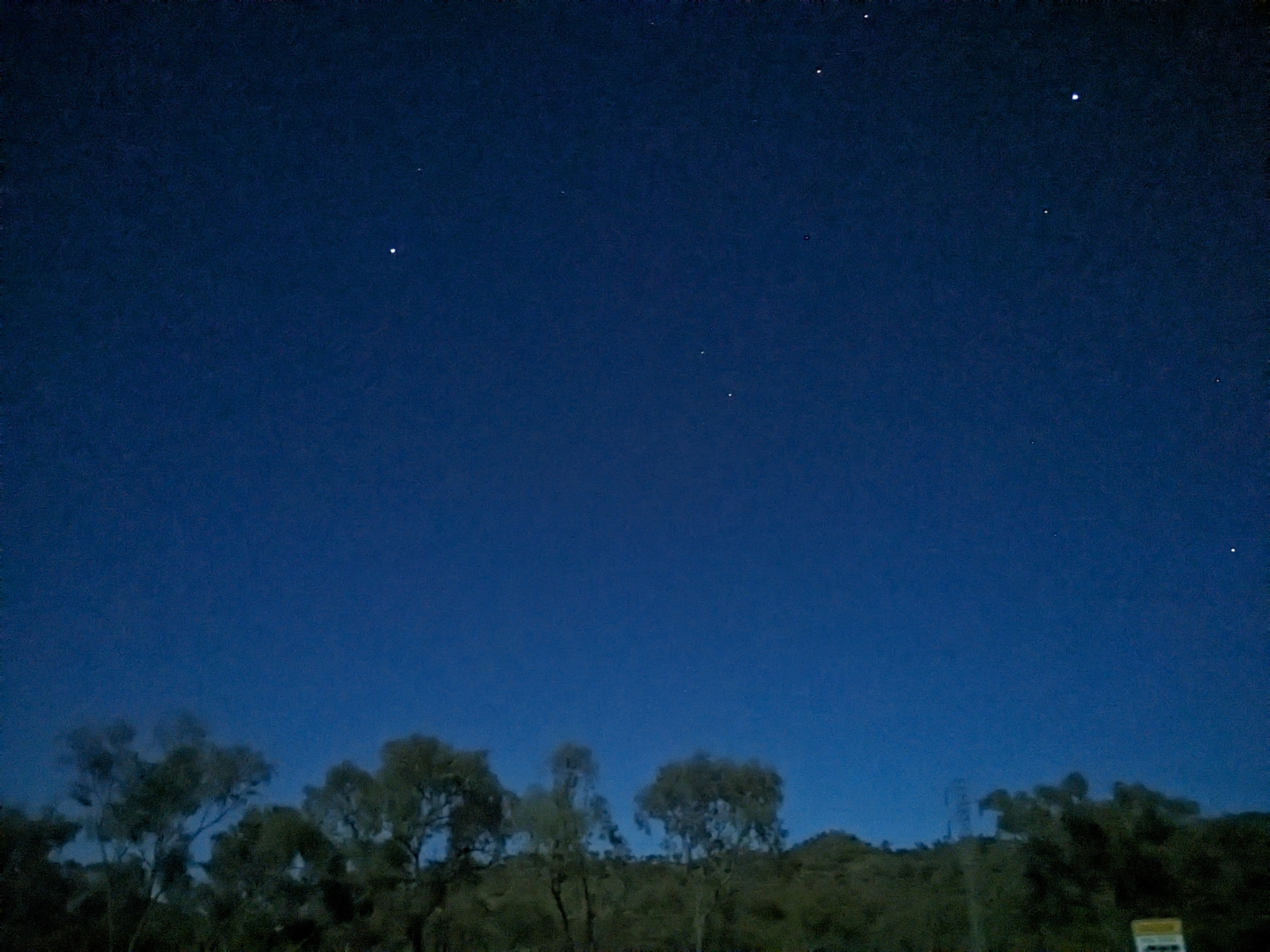
That evening, we dined on more sausage pasta and enjoyed the amazing night sky of the outback.
Day three began with a short drive to Mount Isa, the final “city” (having a population of 18,000) before Darwin. We stocked up on more food and fuel as we weren’t going to pass a supermarket for the next 1300km and downloaded as much music as we could while there was still phone data.


This leg of the journey was pretty monotonous, following the Barkly highway 630km. With not much to see besides large cattle stations on either side of the road, the only thing to mix up the driving was some stretches of flood-damaged washboard roads and a sign letting us know we were now in the Northern Territory. Stopping for fuel at one of the outback roadhouses was a painful experience, spending 1.5x more for the diesel than we paid that morning.
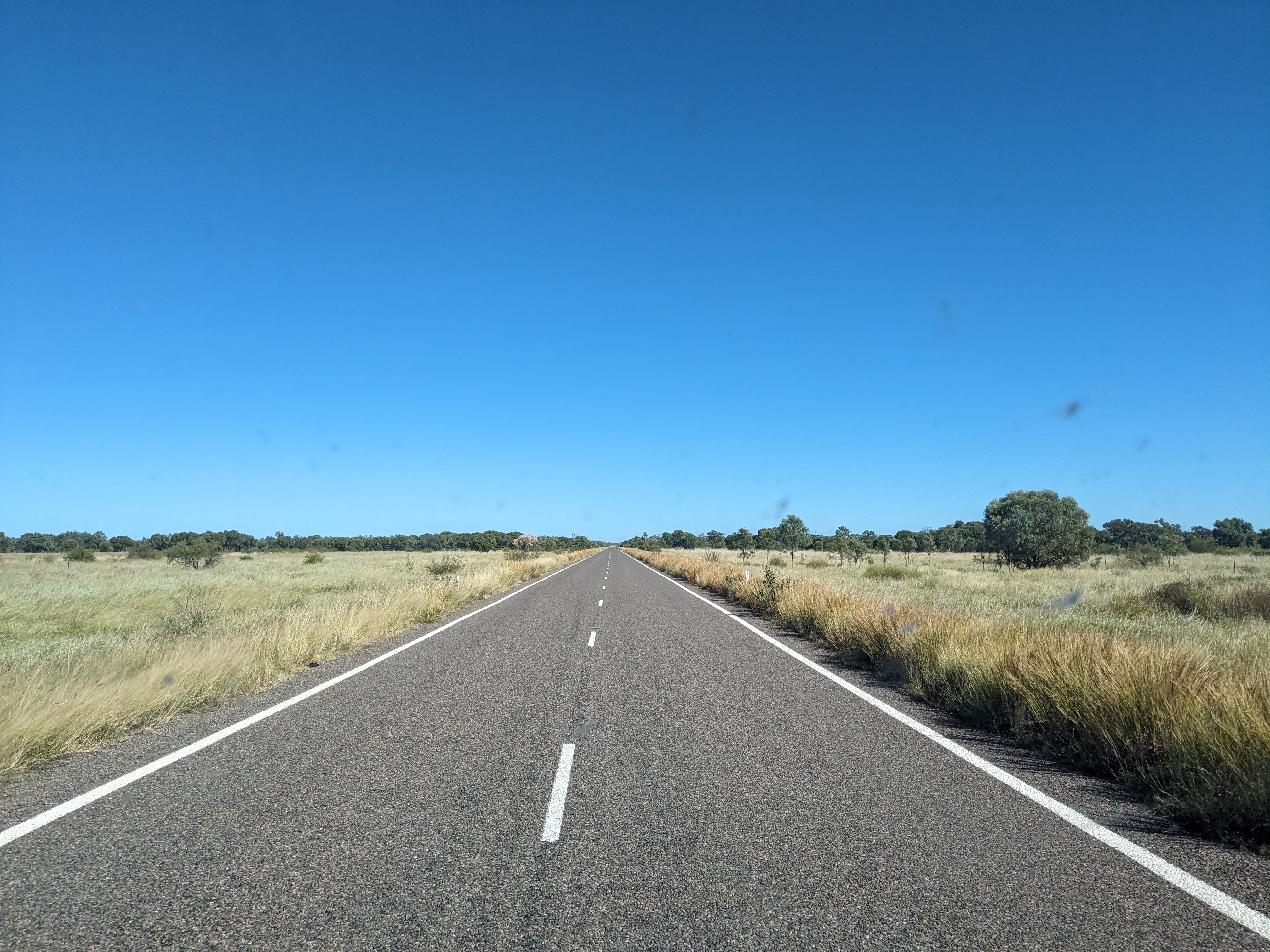

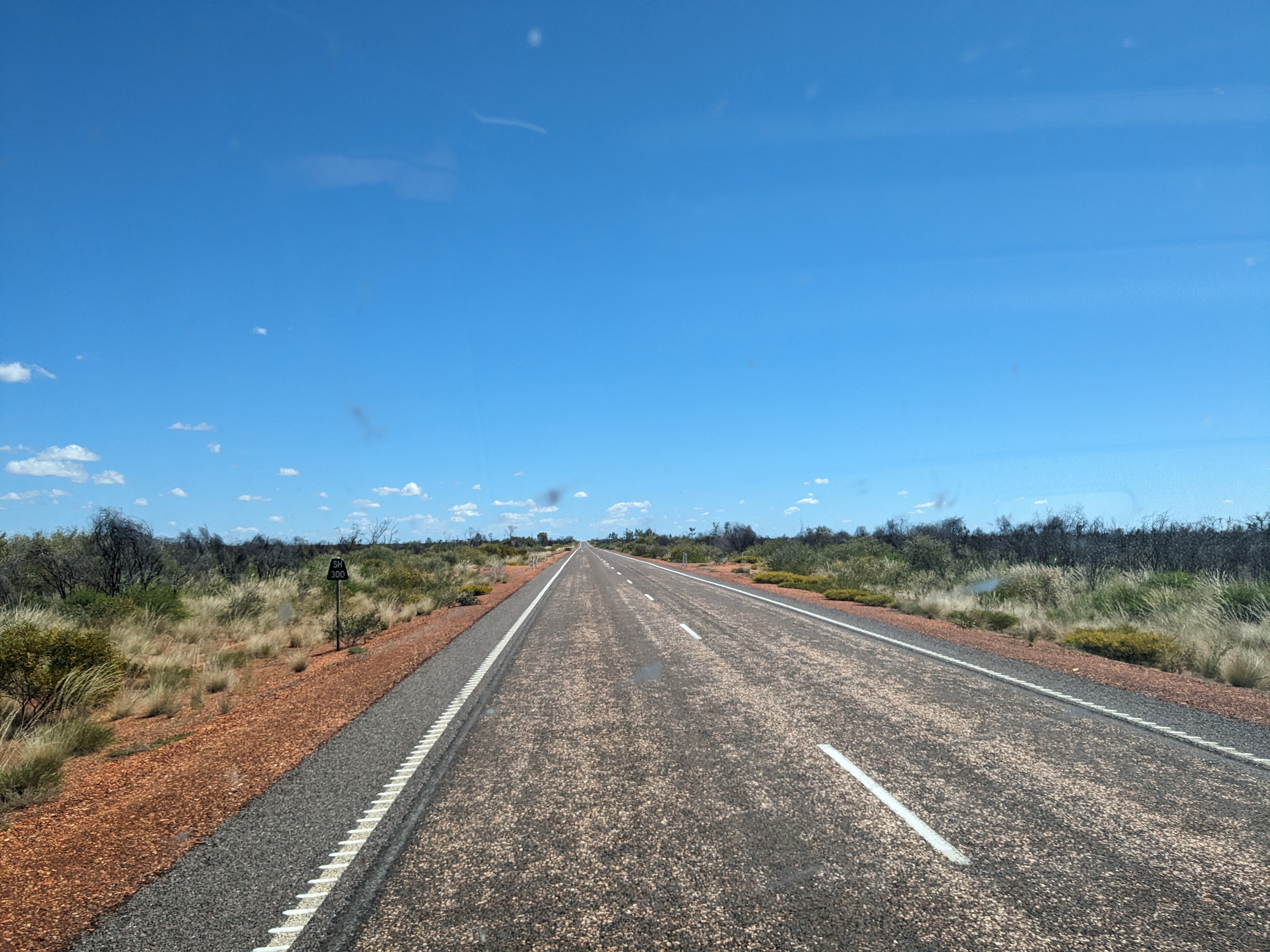


We took the right turn, joining the Stuart Highway, which would take us to Darwin, and once again found another free camp spot for the night.
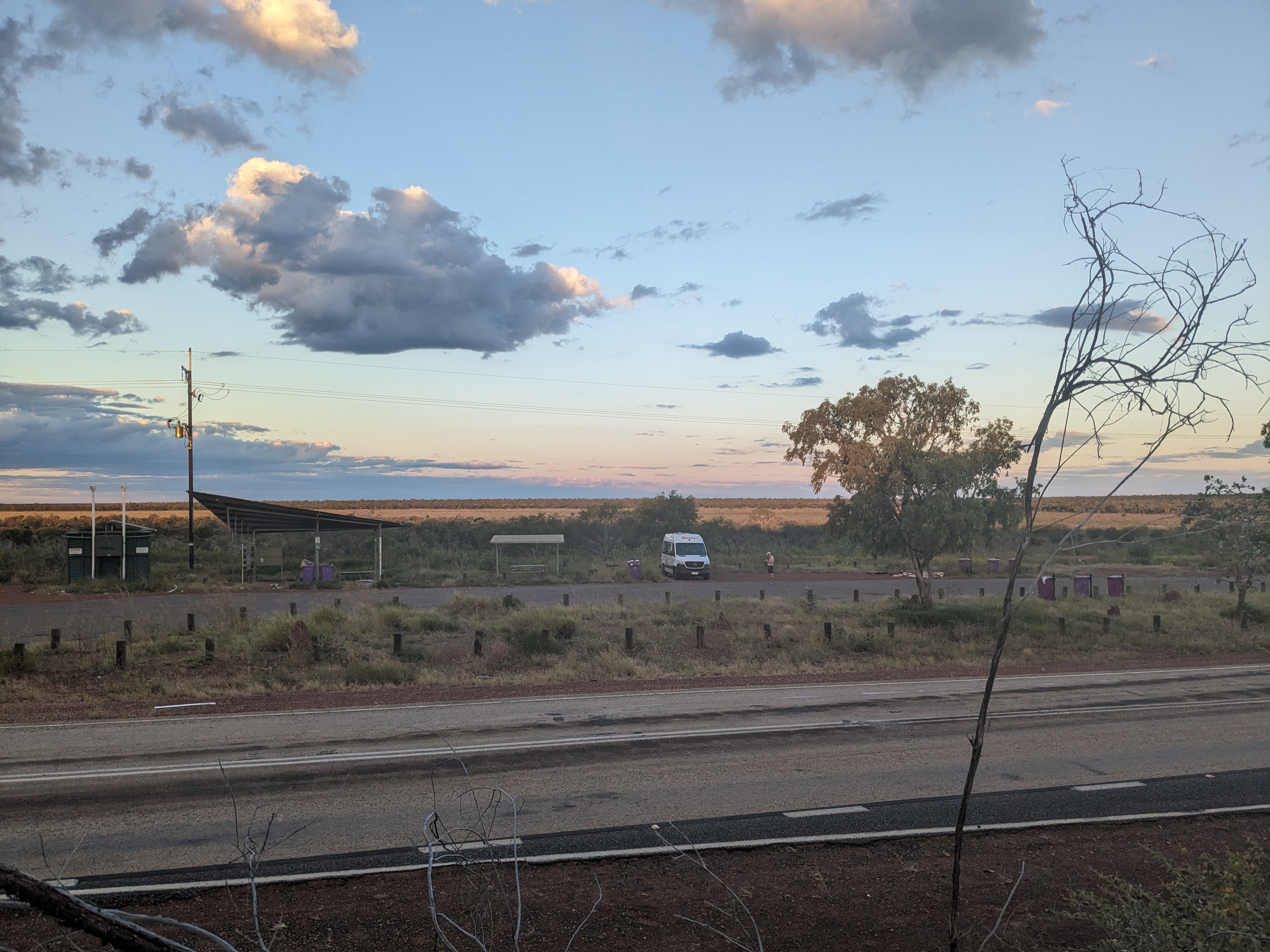
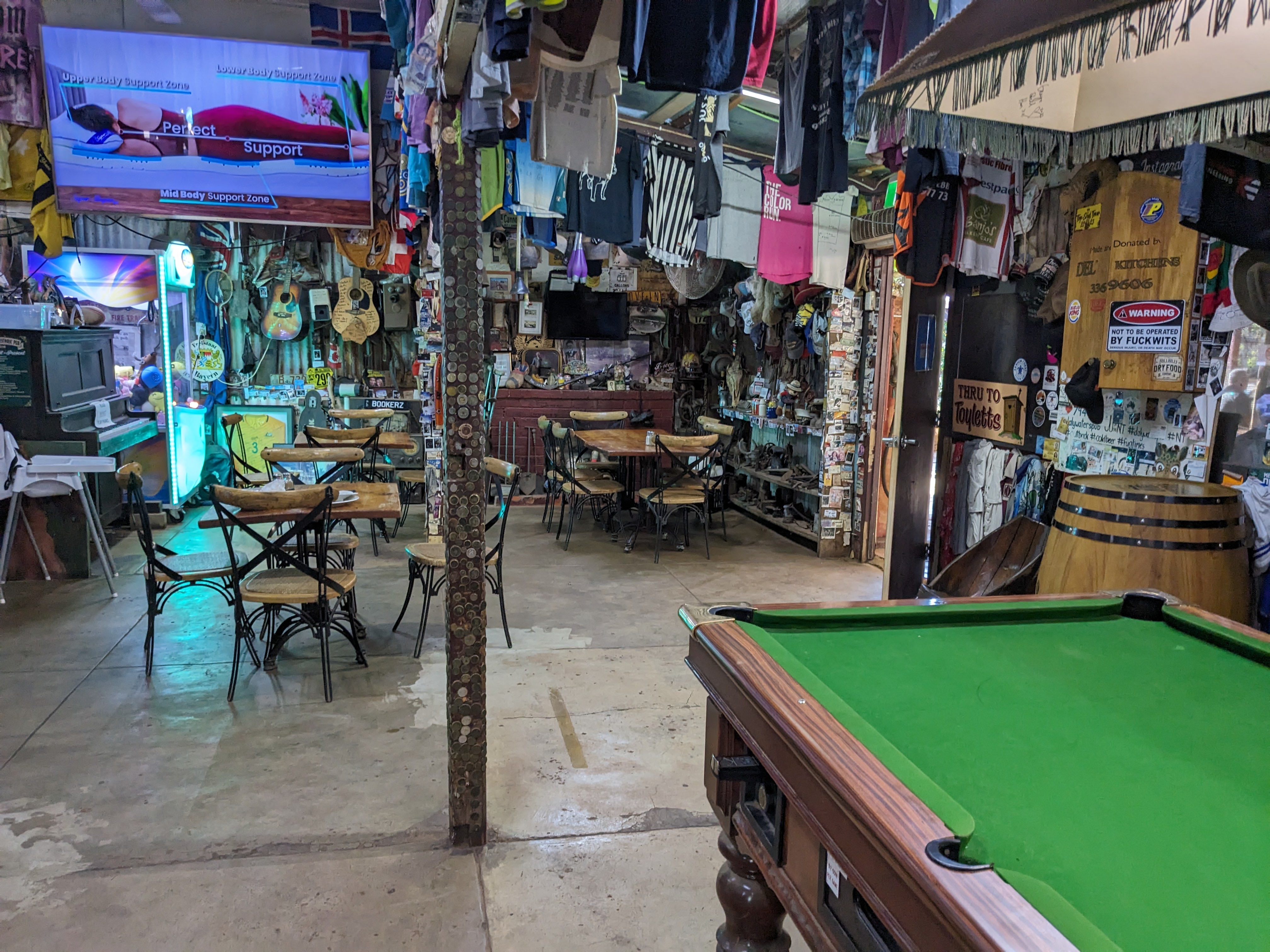
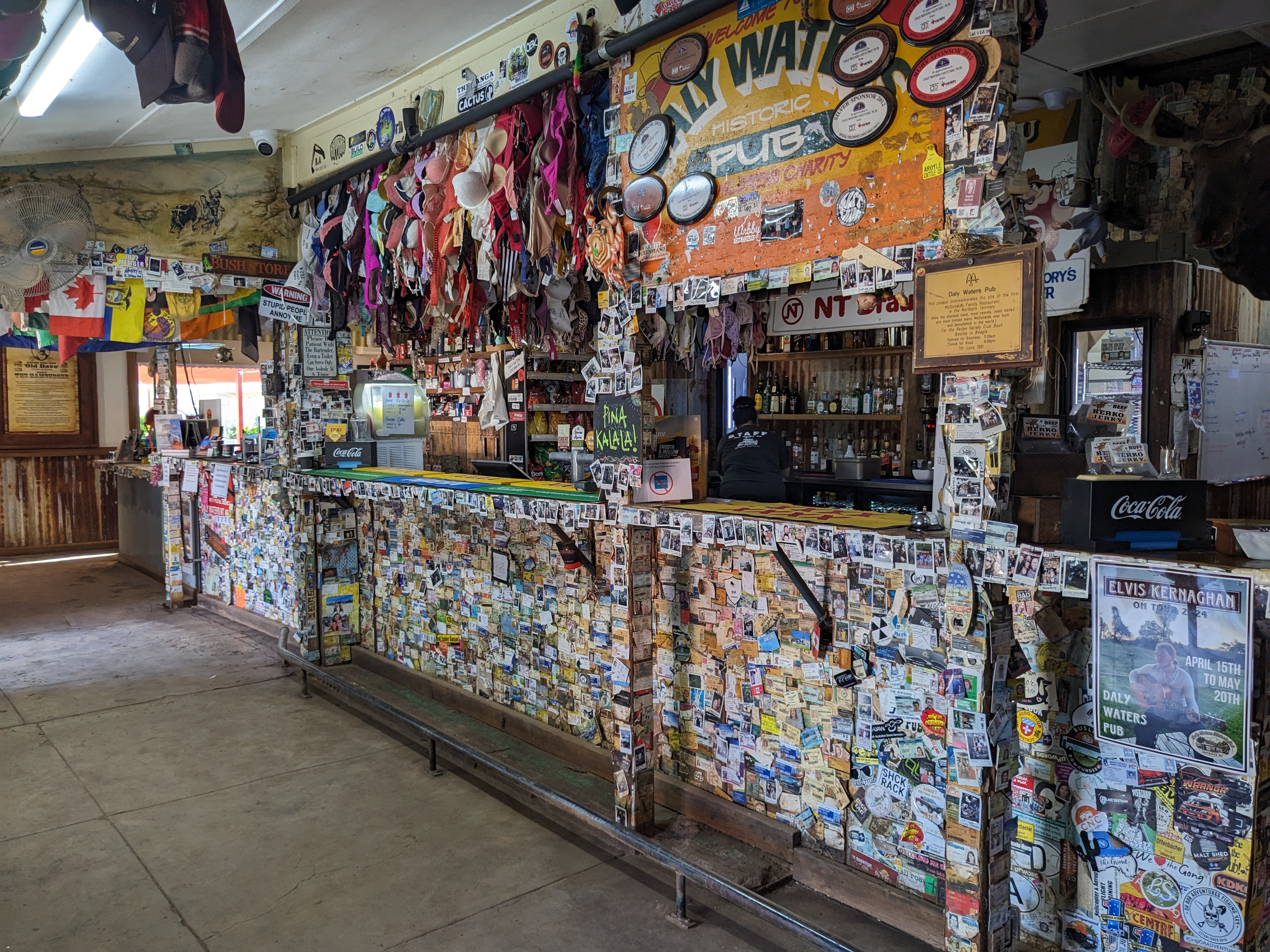
Day four was Anzac Day, similar to remembrance day but for the troops of Australian & New Zealand. That morning, we made it to the tiny outback town of Daly Waters where there had been a sunrise service in remembrance.


The pub in the town has become iconic as a traditional outback pub and decorated with tat that people had chosen to leave there. We just grabbed some coffees, and it was pretty busy at 8 am with lots of servicemen already on the beers and playing two-up.


The rest of the day was spent driving north, stopping off to do a quick walk at Katherine Gorge before searching for another campsite. Along this route, we passed some forest fires, which I think were controlled burns, often done at the beginning of the dry season to avoid unmanageable fires.


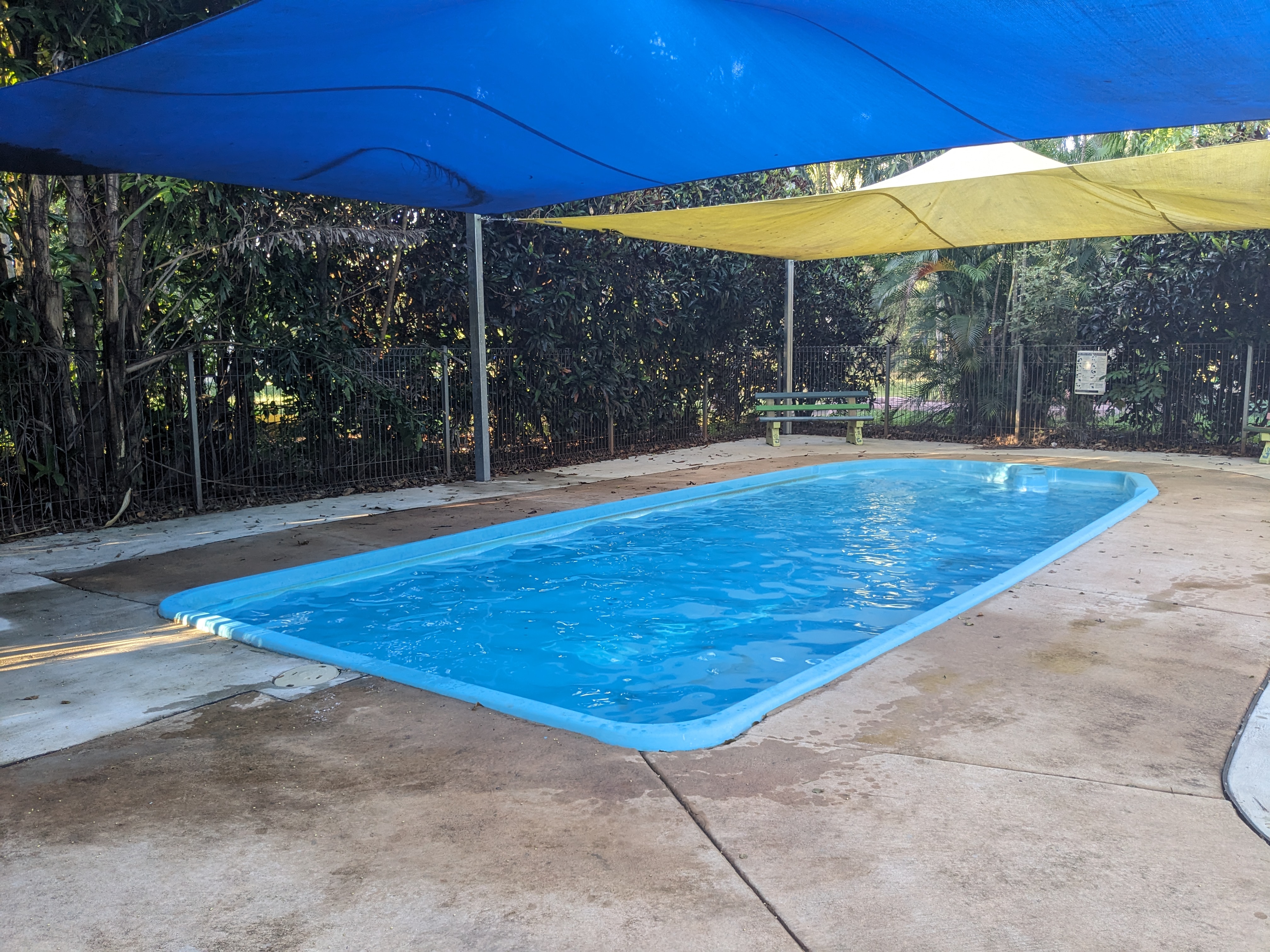
That night, we checked into a proper campsite in Batchelor, finally needing to top up the water tank, charge the battery, and empty the waste water. This was a very nice change from the lay-bys we’d spent the last few nights featuring a pool and BBQ area along with a great local pub.


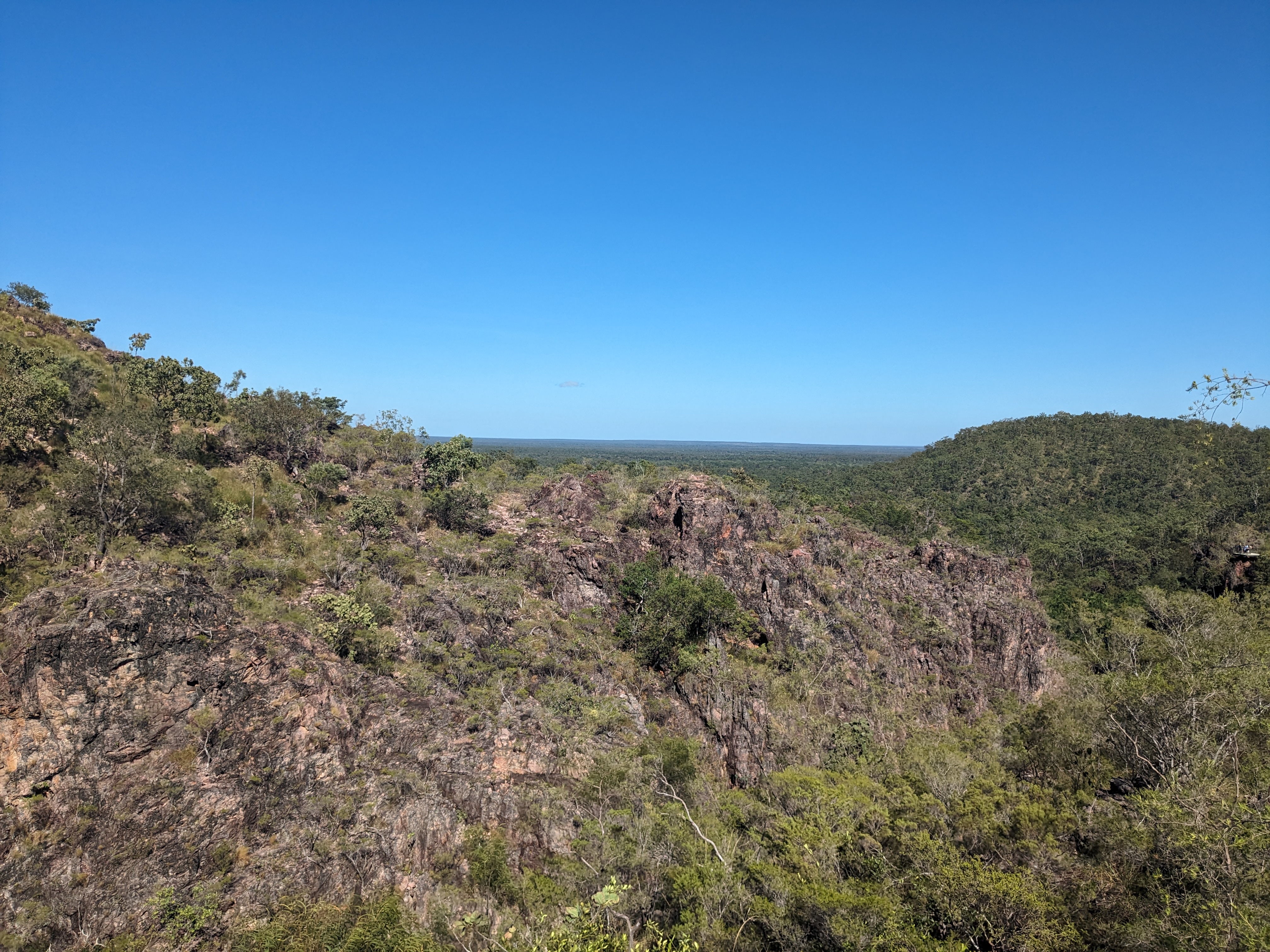
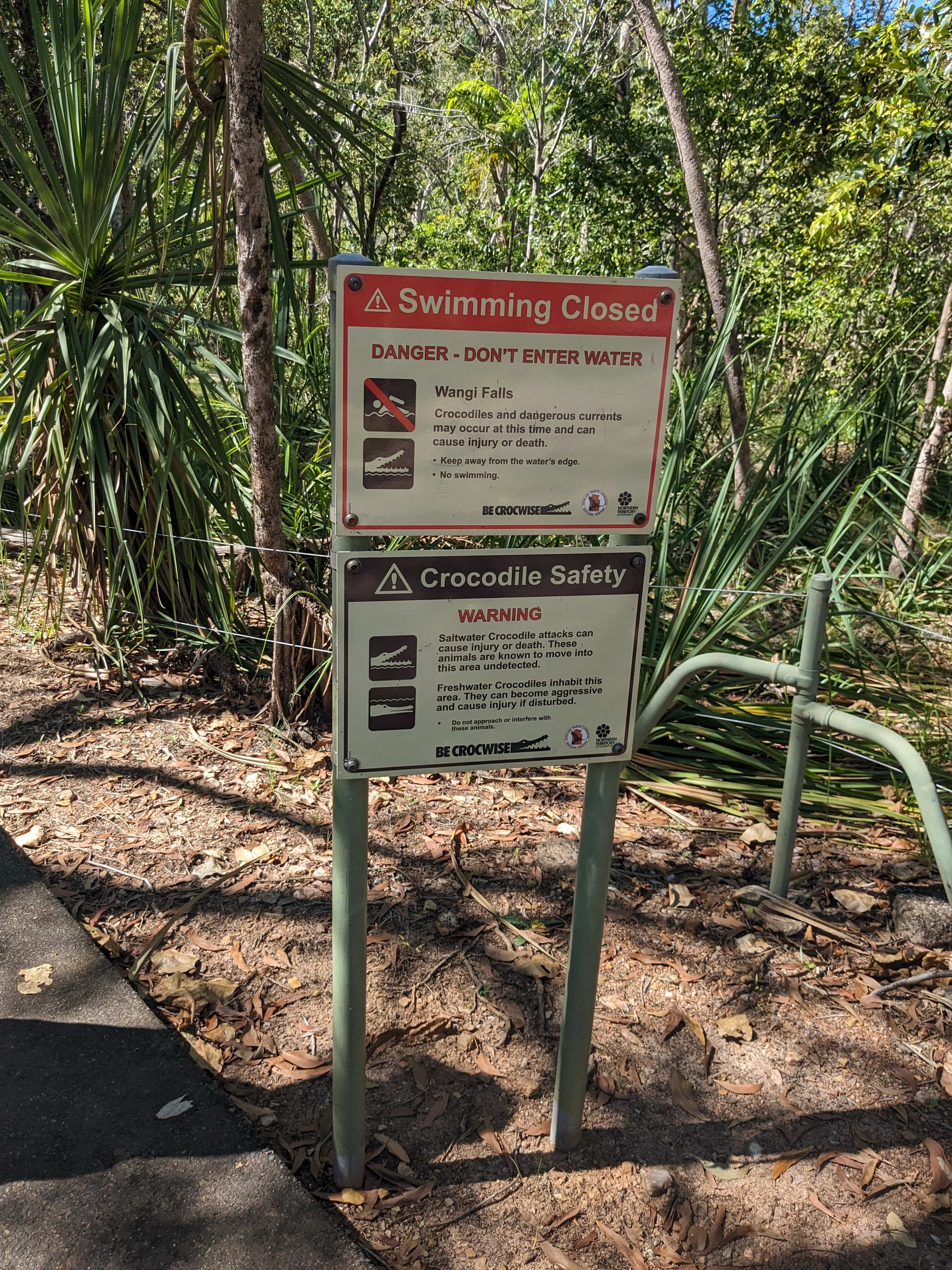
For day 5, we explored Litchfield National Park, enjoying some of the swim spots and walks. The waterfalls and views were very impressive but it all felt very controlled with few tracks to walk and few places to swim. I think this may be due to us being too early in the season and so they were still fixing up some trails and relocating the crocodiles before opening up the swim holes. We returned to the same campsite and pub that night after being tempted by the owners offer of a reduced rate.


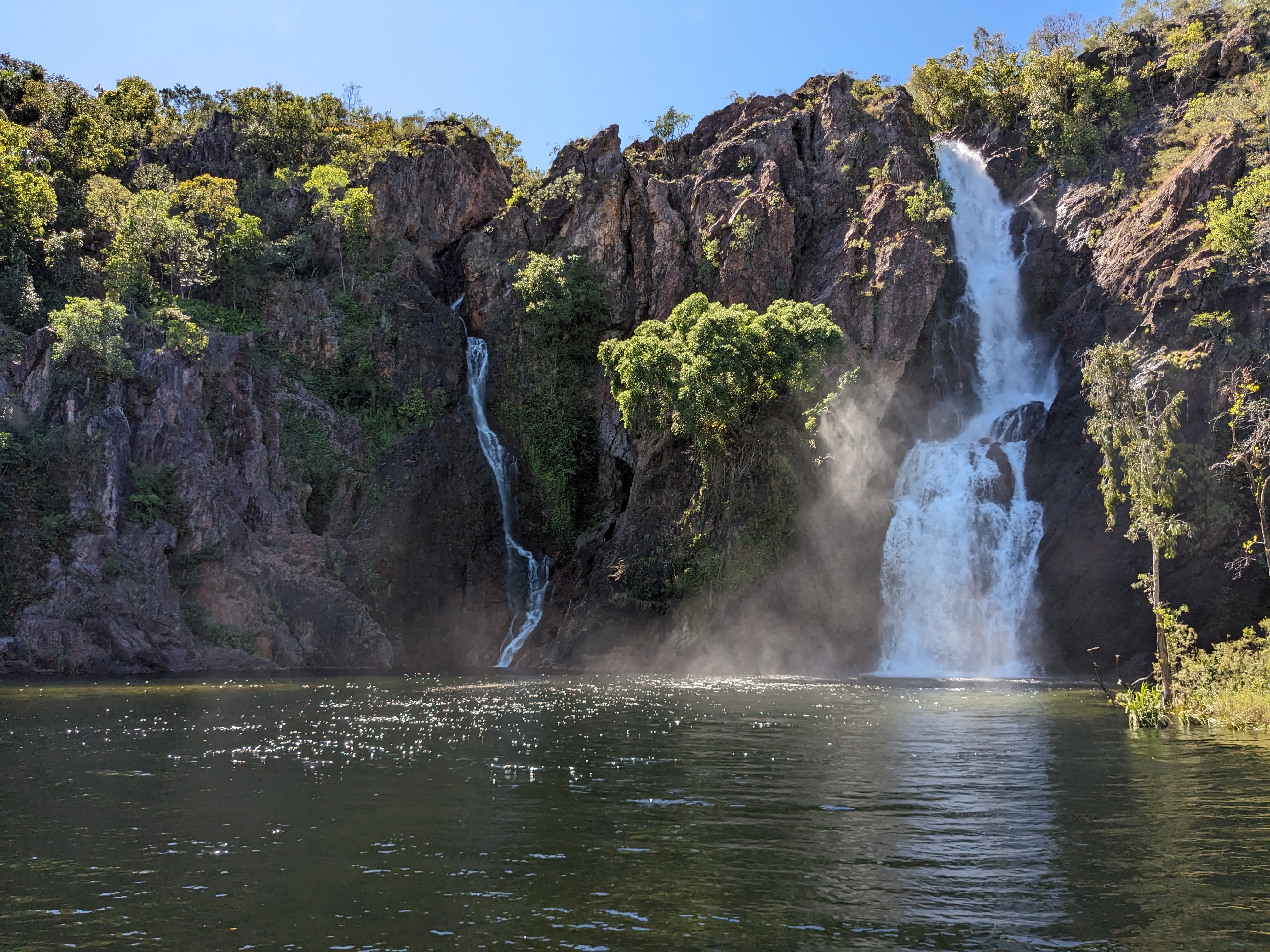
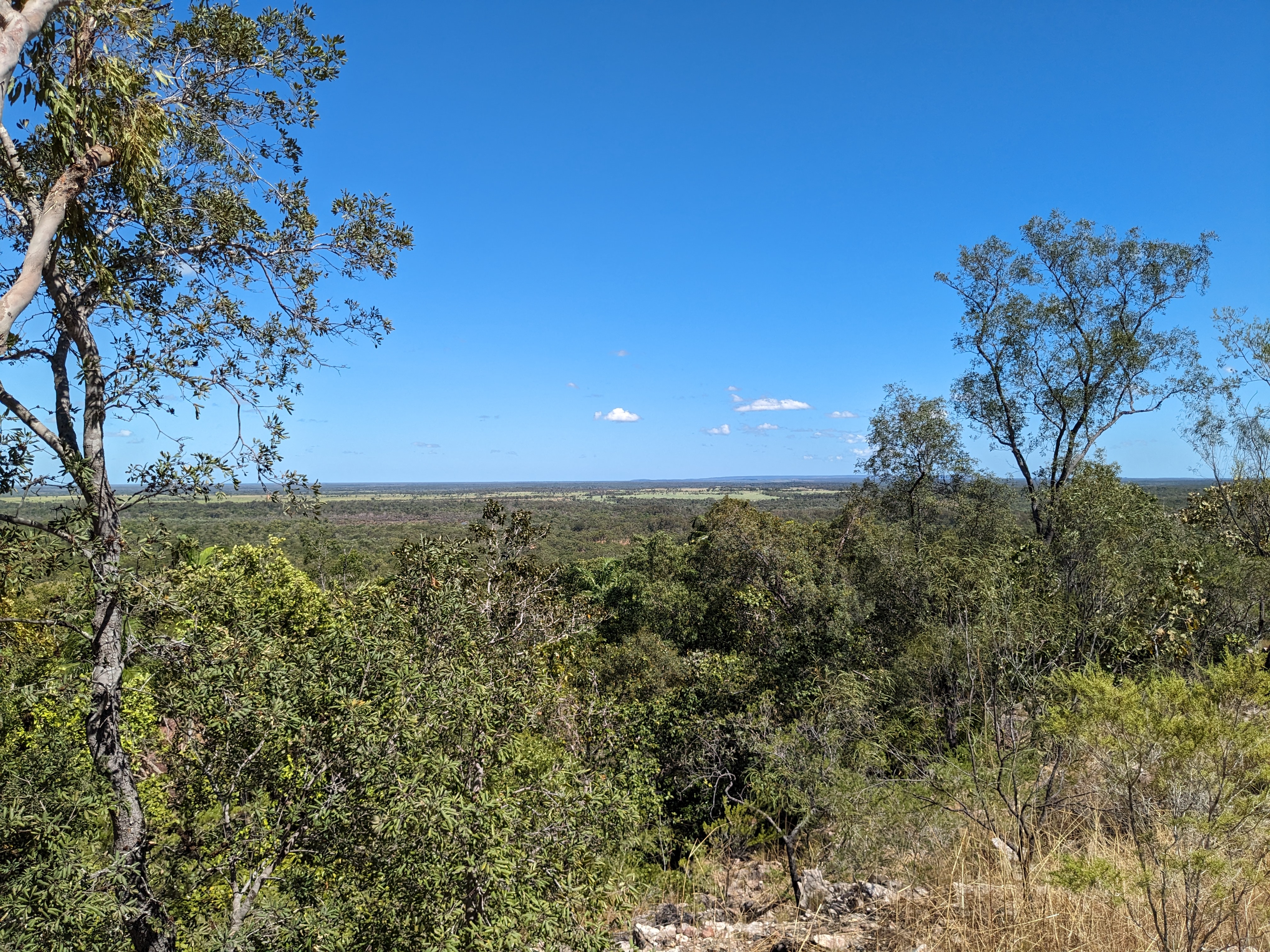
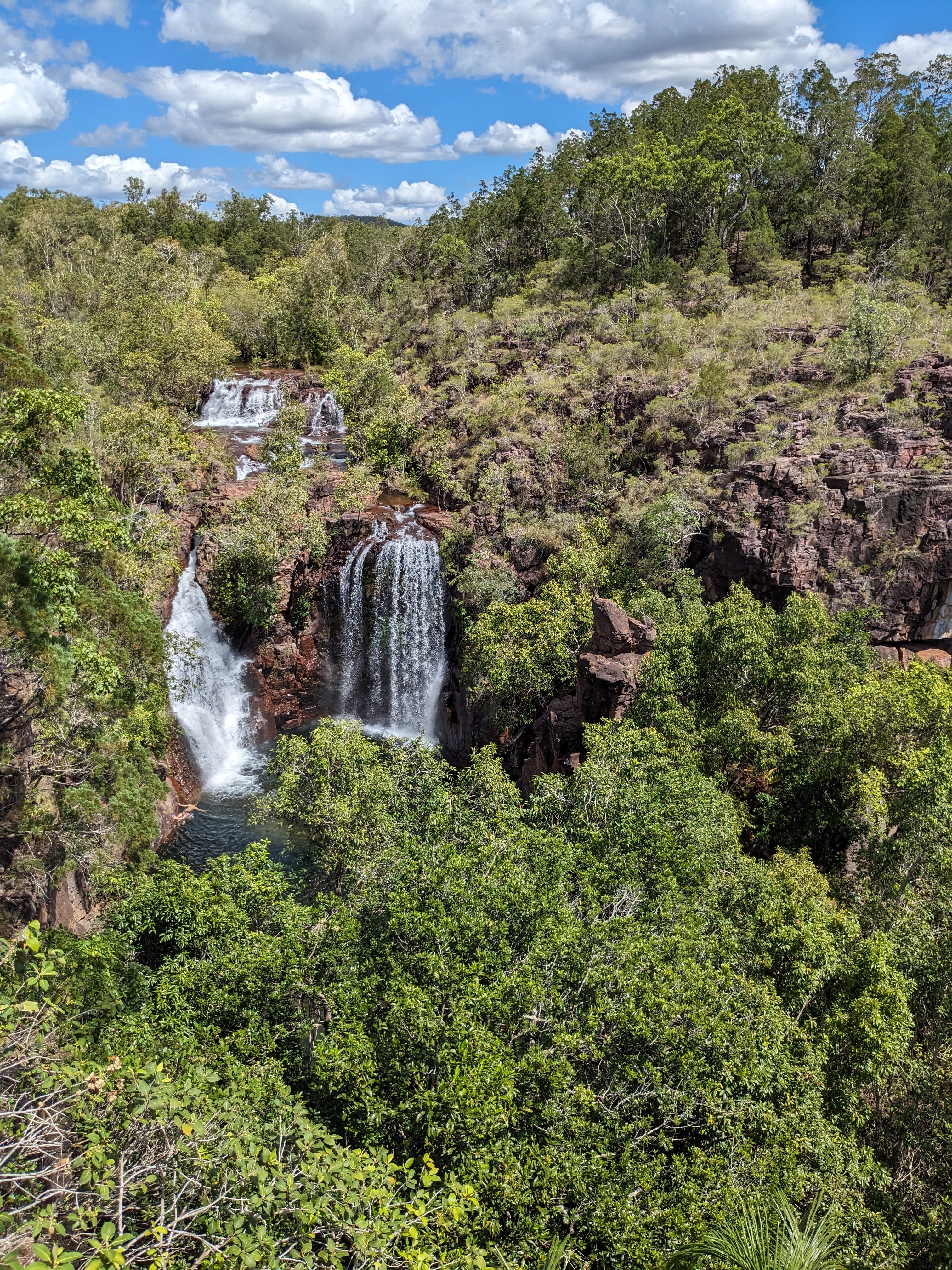
Day 6 was our final day and we finished the journey with a 2-hour drive into Darwin to the camper depot and after a quick inspection got our much-needed $1000 deposit back before heading into town.

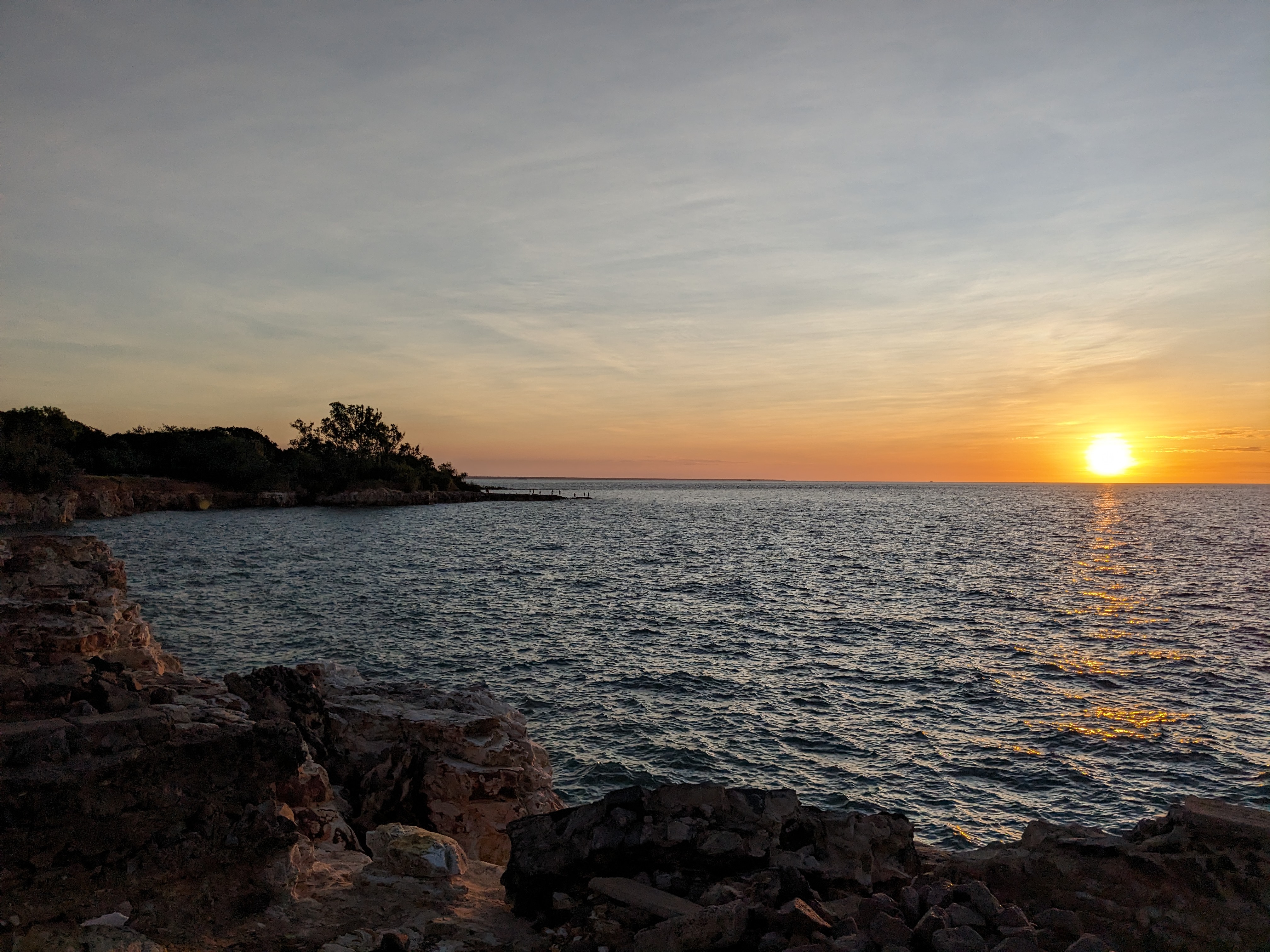
The trip was a great taste of the outback however, it didn’t convert me to van life. For starters, our van was just too big to take anywhere off the main highways and felt very unstable on the bad roads being 2wd and so tall therefore limiting to places we were able to explore. Then, I wasn’t impressed by the beds either, being double bed width but not long enough unless I lay diagonal and had my feet on top of the cupboard. It was also far hotter in the van compared to if I was in my tent and being forced to cook in the van also just heated it up even more. We just needed more ventilation but with the outback flies we were only able to keep one small mesh window open overnight.
Having said all that, I really enjoyed the trip and it made me want to return to the outback to experience even more of this special landscape.
 Will Scam